
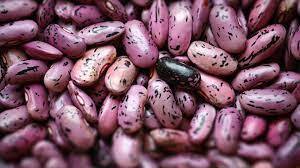

Nestled in the heart of Styria, a lesser-known but captivating culinary gem thrives: the Käferbohne, or scarlet runner bean. This vibrant purple legume, primarily cultivated around the picturesque towns of Bad Radkersburg, Feldbach, Weiz, Hartberg, and Fürstenfeld, flourishes in the region’s fertile soil and mild climate, making it a hallmark of local gastronomy. Yet, the Käferbohne is more than a mere ingredient; it embodies the rich tapestry of Styrian culture, history, and culinary tradition.
History and Origins The Käferbohne has deep roots in Austria, with its cultivation dating back centuries. Originally brought to Europe from Central America in the 17th century, these beans were embraced for their adaptability and nutritional value. In Styria, they found an ideal home, particularly in the fertile valleys where diverse agricultural practices have flourished. The Käferbohne quickly became a staple, cherished not only for its unique flavor but also for its versatility in the kitchen. As local farming practices evolved, the care given to these beans became a point of pride for Styrian farmers, ensuring that they are harvested and stored with precision to maintain their quality year-round.
Art and Architecture While the Käferbohne itself may not directly influence architectural styles, the towns surrounding its cultivation are steeped in rich history and stunning architecture. For example, Bad Radkersburg features beautifully preserved medieval buildings, including the Town Hall, which showcases the Gothic and Renaissance architectural styles. The surrounding landscape is dotted with charming farmhouses that reflect the region’s agricultural heritage, often adorned with intricate woodwork and vibrant floral displays. In addition, local art often celebrates the Käferbohne, inspiring murals and craft exhibitions that highlight its significance in Styrian culture.
Local Culture and Traditions The Käferbohne is woven into the fabric of Styrian community life. Every autumn, locals celebrate the harvest with various festivals, where the beans take center stage. The Käferbohnenfest, held annually in Feldbach, attracts visitors eager to taste local dishes and learn about the cultivation process. Traditional music fills the air, and artisans display their crafts, creating an atmosphere rich with joy and camaraderie. In addition to the festivities, locals share recipes that have been passed down through generations, each family adding its own twist to the classic dishes.
Gastronomy What truly sets the Käferbohne apart is its culinary versatility. These beans can be found in a wide array of dishes, ranging from hearty soups to complex main courses. One of the most beloved preparations is a Käferbohnen salad, tossed with Styrian pumpkin seed oil, which enhances the beans’ nutty flavor. This oil, dark green and rich, is another local specialty that elevates many dishes. Additionally, the beans can be used in stews and even desserts, showcasing their adaptability in the kitchen. The rich flavors of Styrian wines, particularly Welschriesling, pair beautifully with meals featuring the Käferbohne, creating a delightful dining experience.
Lesser-known Curiosities Beyond its gastronomic appeal, the Käferbohne carries a few surprises. For instance, did you know that the beans were once considered a symbol of good luck among local farmers? It’s said that a bountiful harvest of Käferbohnen foretold a prosperous year ahead. Additionally, the beans are not just edible; they have also been used in traditional crafts, where dried beans were strung together to create decorative garlands for festive occasions. Moreover, the vibrant purple hue of the beans has made them a favorite subject for local artists, often featured in paintings and crafts that celebrate the region’s agricultural bounty.
Practical Visitor Information The best time to visit Styria and experience the Käferbohne is during the harvest season, typically from late summer to early autumn. This is when you'll find local markets brimming with fresh beans and culinary festivals in full swing. Travelers should consider staying in Bad Radkersburg or Feldbach, where charming accommodations and local eateries abound. To enjoy the full experience, join a farm tour to see the cultivation process firsthand and savor dishes prepared with these delightful beans. Don’t forget to sample the Styrian pumpkin seed oil, as it’s often paired beautifully with the Käferbohne.
In conclusion, the Käferbohne is more than just a bean; it’s a celebration of Styrian heritage, a testament to the region's rich agricultural history, and a staple in its culinary landscape. So when planning your next adventure, consider a journey to this part of Austria, where every meal tells a story.
To truly immerse yourself in this enchanting region and its hidden gems, using the Secret World app can help you craft a personalized itinerary.


