



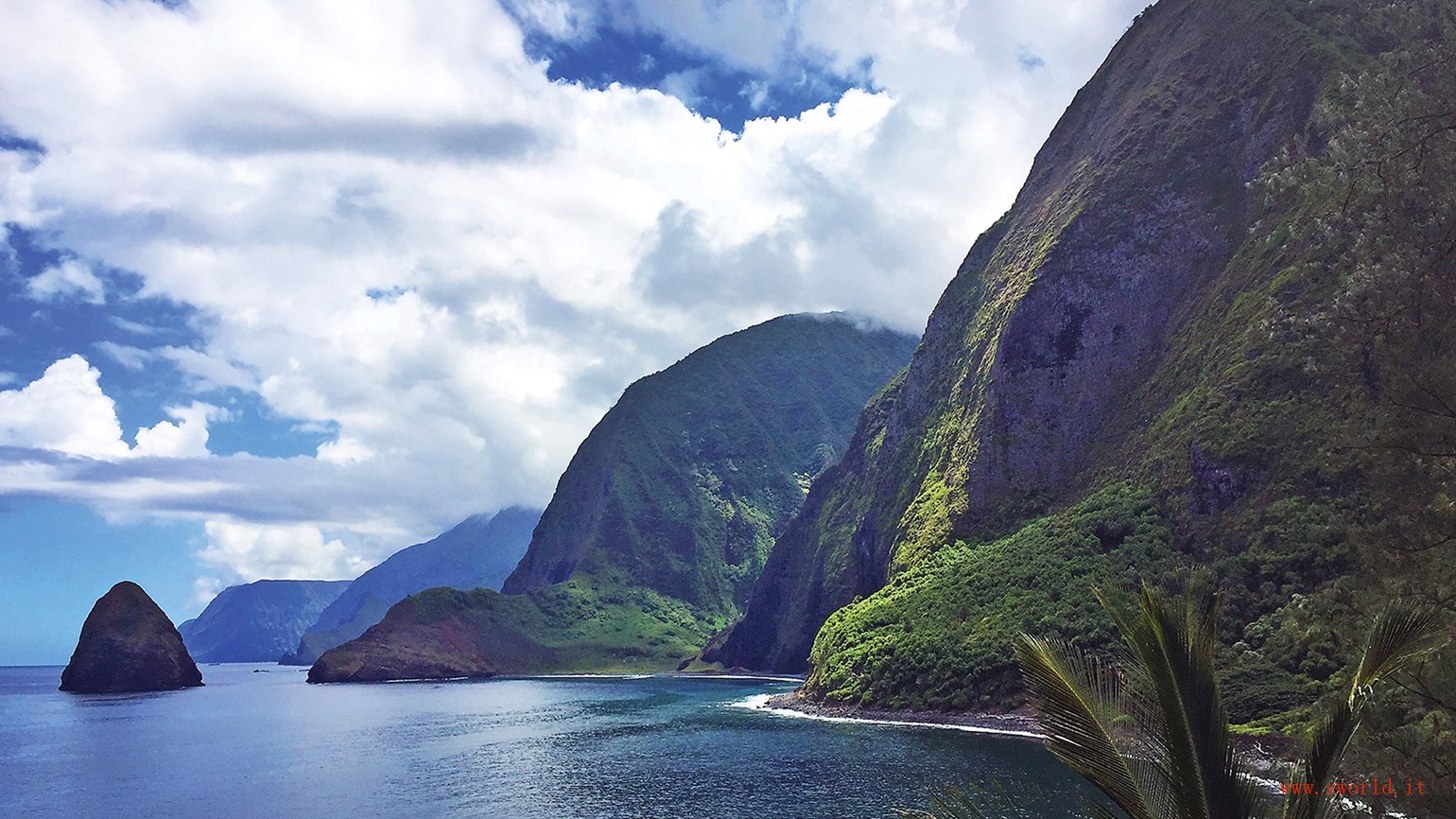
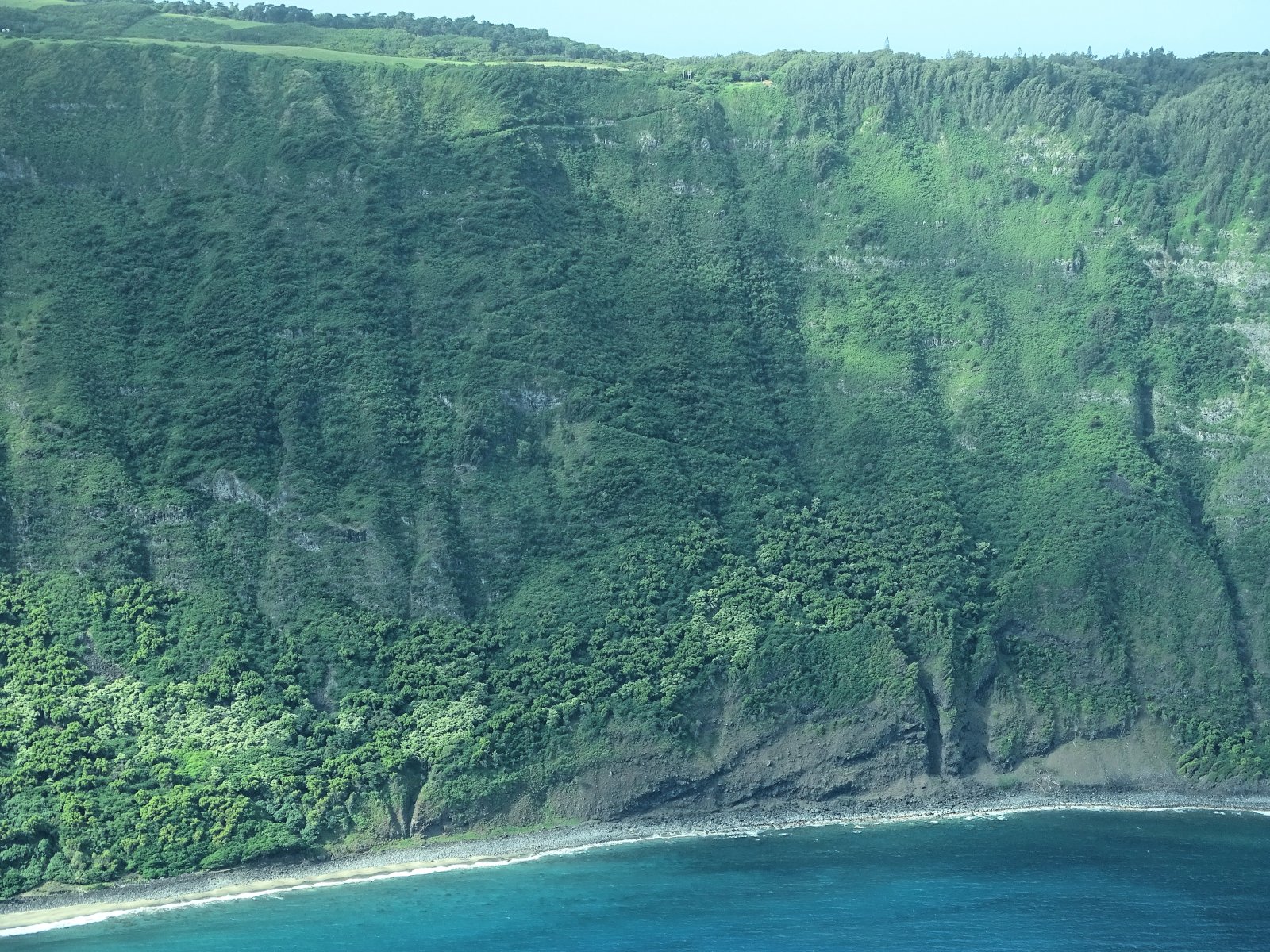
Nestled on the serene island of Molokai, Kalaupapa village is more than just a destination; it's a poignant chapter in Hawaiian history. At the base of the world's highest sea cliffs, which drop approximately 1,010 meters (3,315 feet) into the Pacific Ocean, Kalaupapa offers breathtaking views and a profound sense of place. These cliffs, famously featured in Jurassic Park III, form a stunning backdrop to a village that has both a beautiful and tragic past.
### History and Origins The origins of Kalaupapa trace back to the 19th century when the Hawaiian Kingdom established a quarantine settlement for individuals afflicted with leprosy, known as Hansen's disease. In 1866, under the leadership of Father Damien, a Belgian priest, many residents were relocated here, marking a significant moment in both health and social history. Father Damien became a symbol of compassion and dedication, serving the needs of the leprosy patients until his own death from the disease in 1889.
The settlement endured through adversity, with patients facing isolation and stigma. Over time, Kalaupapa transformed from a quarantine site into a community, characterized by resilience and strength. Today, the village serves as a reminder of the struggles faced by its former inhabitants and stands as a testament to their courage.

### Art and Architecture Architecture in Kalaupapa reflects its unique history and environment. The village is home to several historic buildings, including the Kalaupapa National Historical Park, which preserves the legacy of the community. The St. Philomena Church, built by Father Damien, showcases the simple yet functional design typical of Hawaiian architecture. Its wooden structure and stained-glass windows add a touch of beauty and grace.
Art plays a vital role in expressing the stories and experiences of the people who lived here. Local artists often depict the breathtaking landscapes and historical narratives through various mediums, from painting to sculpture. The annual Kalaupapa Art Festival highlights these artistic expressions, allowing visitors to engage with the rich culture and history of the village.
### Local Culture and Traditions Kalaupapa’s culture is deeply intertwined with its history. The local community celebrates traditions that honor their ancestors and their journey. One significant event is the Annual Molokai Leprosy Memorial, where residents and visitors come together to remember those who suffered from leprosy, acknowledging their struggles while celebrating their resilience.
Additionally, Hawaiian cultural practices such as hula and mele (song) are integral to community gatherings. These customs not only connect the villagers to their heritage but also promote healing and unity.
### Gastronomy The culinary scene in Kalaupapa is as unique as its history. Traditional Hawaiian dishes like poi, made from taro, and loco moco, a comfort food consisting of rice, hamburger patty, fried egg, and gravy, reflect the local flavors. Fresh seafood, including poke and grilled fish, is plentiful, drawing from the surrounding ocean.
Visitors can also enjoy local fruits such as pineapple, mango, and banana, which are often used in desserts like haupia (coconut pudding). The food here tells the story of the land and its people, making every bite a connection to Kalaupapa's rich history.
### Lesser-known Curiosities While many are aware of Kalaupapa's health-related history, fewer know about its unique ecology. The cliffs provide a habitat for several endemic species, including the Hawaiian monk seal and the Hawaiian green sea turtle. Nature enthusiasts can explore trails that showcase this biodiversity.
Another lesser-known fact is that Kalaupapa was once a thriving community with its own bakery, dance hall, and even a baseball team. These aspects of social life contributed to a sense of normalcy during a time of great hardship.
### Practical Visitor Information The best time to visit Kalaupapa is during the dry season, which runs from May to October. This is when the weather is most favorable for hiking the scenic trail that leads down the cliffs. Access to Kalaupapa is restricted, and visitors must reserve a spot through the Kalaupapa National Historical Park, which offers guided tours that provide insight into the village's history and culture.
When planning your visit, wear sturdy shoes for the trail and bring plenty of water. Look for the historic landmarks, local art, and the breathtaking views of the cliffs and ocean—each tells a part of the story of this remarkable place.
Kalaupapa is a place of reflection, beauty, and resilience, capturing the essence of Hawaiian history and culture. For a personalized itinerary that helps you discover its hidden treasures, consider using the Secret World app.
