



Nestled in the heart of Zambia, Kasanka National Park is a serene sanctuary that transforms into a vibrant stage for one of nature's most incredible performances. This park, although modest in size at just 390 square kilometers, punches well above its weight in terms of ecological significance and cultural heritage.

The origins of Kasanka National Park date back to the early 20th century when the area was initially used for hunting. It was only in the 1980s, thanks to the vision of a British expatriate named David Lloyd, that the park began its metamorphosis into a conservation area. Lloyd was captivated by the region's natural beauty and saw the potential for it to become a haven for wildlife. His efforts, alongside the local community and government support, led to the establishment of the Kasanka Trust in 1986, which has been pivotal in preserving the park's biodiversity.
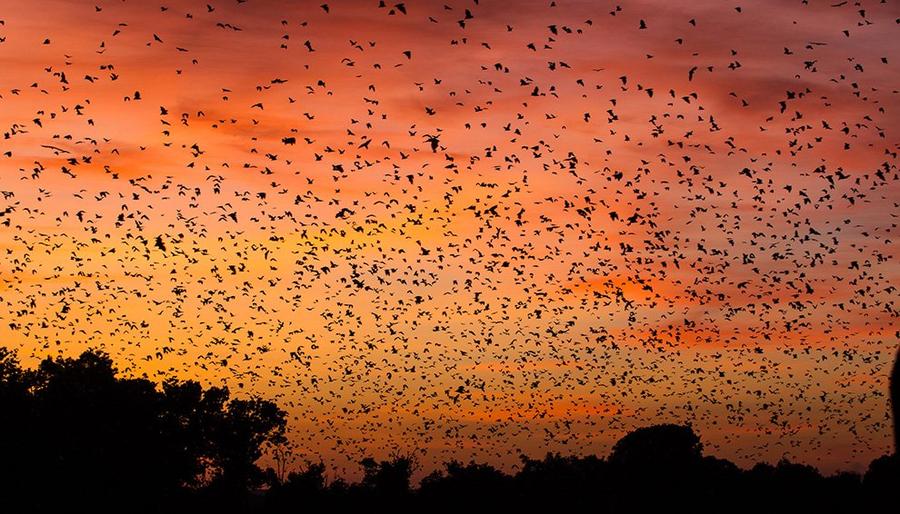
While Kasanka may not boast grandiose structures, its natural architecture is unparalleled. The Miombo woodlands and swamps create a lush tapestry that serves as a backdrop to the park's most famous spectacle: the annual bat migration. Millions of straw-colored fruit bats take to the skies, creating an awe-inspiring display against the setting sun. This migration is not only a visual wonder but also a crucial ecological event, as the bats aid in seed dispersal and pollination.

The local culture surrounding Kasanka National Park is rich and deeply intertwined with the natural landscape. The Bemba people, who are the predominant ethnic group in the area, have a profound respect for the land and its wildlife. Traditional ceremonies, such as the Ukusefya Pa Ng’wena, celebrate their heritage and the relationship between the community and their environment. This festival is a vibrant display of traditional dances, music, and storytelling, offering visitors a glimpse into the region's cultural tapestry.
Gastronomy in the region is a flavorful journey into traditional Zambian cuisine. Visitors can savor nshima, a staple maize dish served with a variety of relishes such as ifisashi (a dish made with peanuts and leafy vegetables) or kapenta (small, dried fish). The cuisine is hearty, reflecting the agricultural abundance of the region. The park's lodges often offer meals that incorporate local ingredients, providing an authentic taste of the area.
Beyond the bat migration and cultural experiences, Kasanka National Park holds a treasure trove of lesser-known curiosities. For instance, the park is home to the rare sitatunga antelope, a shy and elusive swamp dweller that is a delight for keen wildlife enthusiasts. Birdwatchers will also find a haven here, with over 400 bird species recorded, including the striking Ross's turaco and the elusive Pel's fishing owl.
When planning a visit to Kasanka, timing is everything. The best period to witness the bat migration is between October and December, when the skies are teeming with bats. However, the park offers year-round appeal with its diverse wildlife and tranquil landscapes. Visitors should prepare for a rustic experience, as accommodations within the park are basic but comfortable, designed to blend seamlessly with the natural environment.
For those seeking an immersive experience, guided walking safaris and canoe trips offer unique perspectives on the park's ecology. It's advisable to pack lightweight clothing, insect repellent, and binoculars to maximize the wildlife viewing experience. The park is accessed via a gravel road from Serenje, and it's recommended to travel in a 4x4 vehicle, especially during the rainy season when roads can become challenging.
Kasanka National Park is more than just a site of natural wonder; it is a testament to the harmonious relationship between conservation efforts and local culture. With its rich history, vibrant traditions, and unparalleled wildlife spectacles, it offers a rewarding journey into the heart of Zambia's natural and cultural heritage.
