
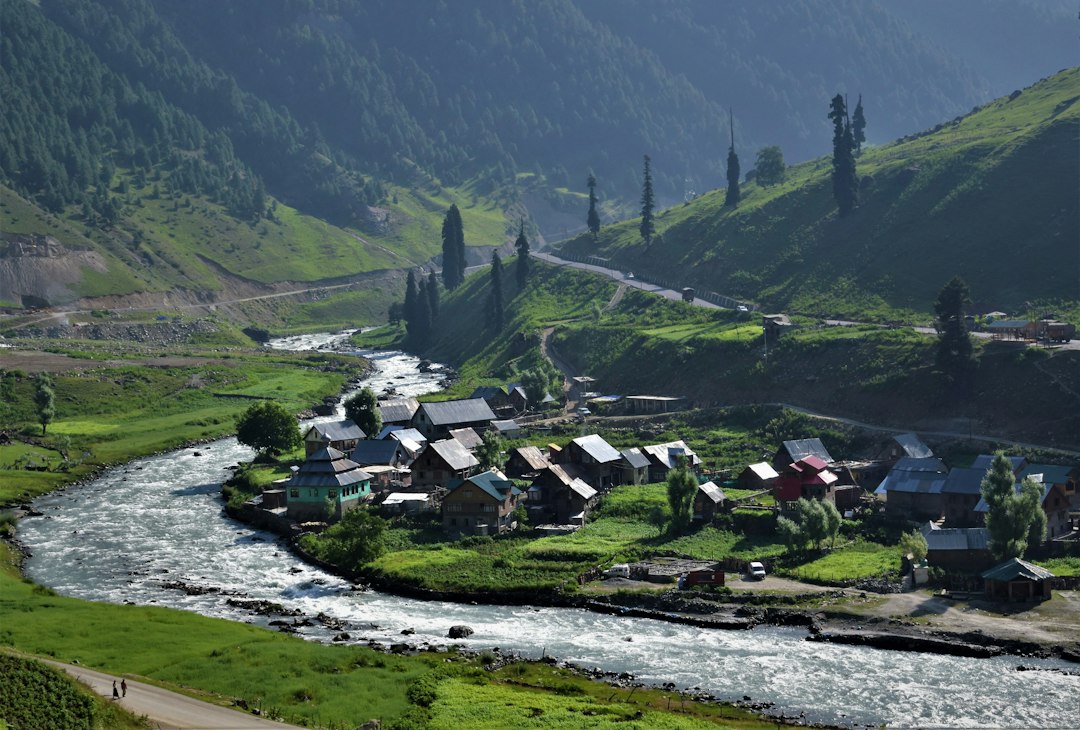

The light of August in Khavast leaves no escape. At nine in the morning, the salt reflects the sun with an intensity that forces one to close their eyes, and the landscape around the white plain seems to dissolve into a uniform glare. This town in the Sirdaryo region of central-eastern Uzbekistan is located a few kilometers from the Syr Darya River, one of the great historical rivers of Central Asia, and holds in its surroundings one of the most spectacular and least frequented salt flats in the entire region.
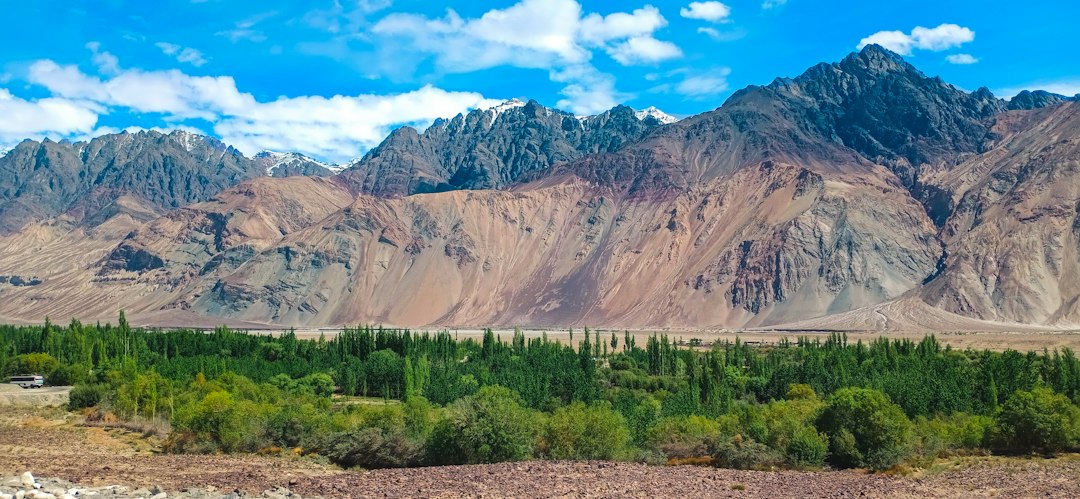
Khavast is not an organized tourist destination. There are no signposts to the salt plain, no tickets to purchase, no certified guides waiting for visitors at the bus stop. Instead, there is an almost physical silence, the concrete feeling of being in a place that international tourism has not yet transformed into a product. For those arriving from Europe, used to fenced monuments and audio guides, this emptiness may seem disorienting. Then it becomes the most precious thing about the journey.
The salt flat and the mirror phenomenon
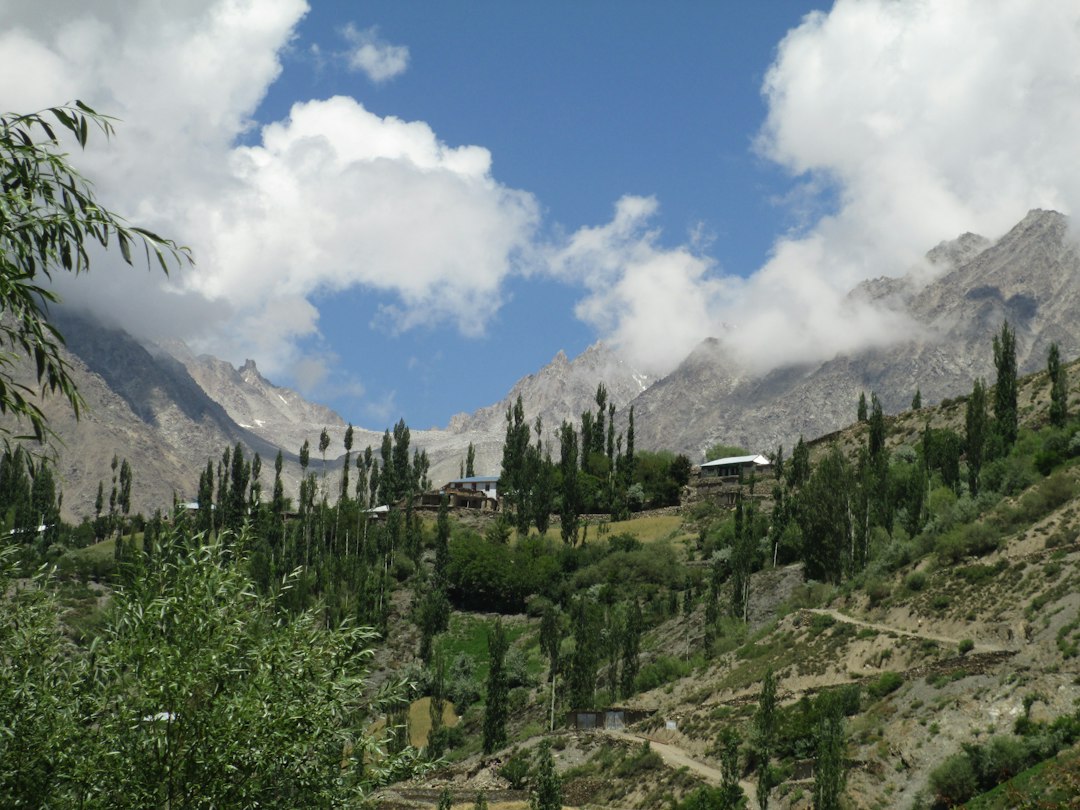
The characteristic that makes this area unique is the seasonal transformation of the saline surface. After the spring rains, which in this part of Uzbekistan mainly fall between March and April, a thin layer of water settles on the salt crust and cannot be absorbed or evaporated quickly. The result is a reflective surface that duplicates the sky with almost photographic precision: clouds, dawn light, the distant profiles of the Tian Shan hills on the horizon, everything appears inverted beneath one's feet.
The phenomenon lasts a few weeks, and those who arrive in summer instead find the dry and blinding crust, marked by geometric cracks that draw irregular polygons on the white surface. Even in this summer version, the flat has its extreme beauty: heat rises from above and below simultaneously, the salt crunches underfoot, and the horizon shimmers in the heated air. The salt flat extends for several square kilometers in the plains adjacent to the Syr Darya, a river that in ancient times was known as Jaxarte and which Alexander the Great reached during his campaign in Central Asia in 329 BC, establishing here the eastern limit of his advance.
The Silence of the Desert and Uzbek Nights
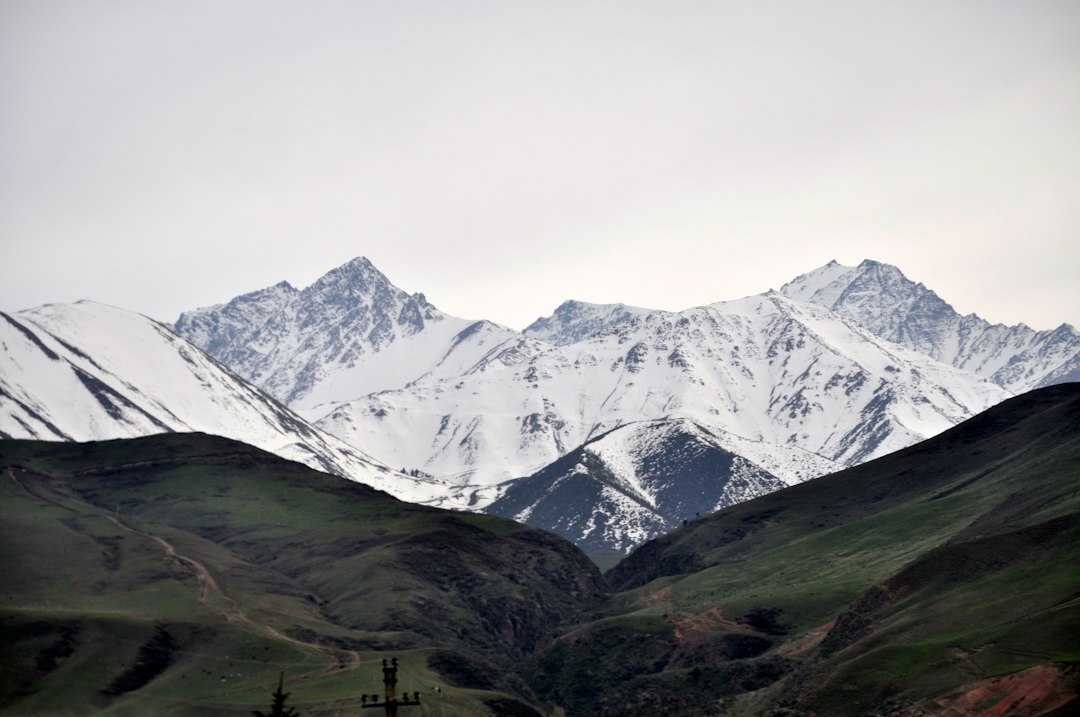
Those who decide to stay until sunset, or better yet, spend the night in this area, discover a completely different dimension. Central Uzbekistan has night skies of exceptional clarity, far from the light pollution of large cities like Tashkent, which is located about 120 kilometers northeast. The desert around Khavast at night becomes an almost cosmic place: the Milky Way appears with a sharpness that no longer exists in European cities, and the silence is broken only by the wind and, occasionally, the call of some nocturnal bird.
The temperature drops quickly after sunset, even in summer. Bringing layered clothing is not generic advice but a concrete necessity: the difference between the 38 degrees of the afternoon and the 18 degrees of the night is a thermal shock that the body clearly registers. Sleeping outdoors on the salt plain, with the starry sky as the only roof, is an experience that some travelers describe as one of the most intense in all of Central Asia.
How to get there and practical advice
Khavast can be reached by taking the main road that connects Tashkent to Samarkand, one of the most important arteries in the country. The distance from Tashkent is about 120 kilometers, which can be covered in two hours by private car or a little more with marshrutkas, the shared minibuses that connect Uzbek cities at very low prices. The bus station in Tashkent, in the Kuylyuk area, is the most practical starting point for those traveling without their own vehicle.
The best time to visit the salt flat is at dawn, both in spring for the reflective phenomenon and in summer to avoid the extreme midday heat. Bringing plenty of water is essential: there are no nearby supply points in the area. Avoid walking for long periods on the salt crust during the central hours of August, when temperatures regularly exceed 40 degrees. Wearing sunglasses with high UV protection is essential: the glare from the salt is comparable to that of snow and can cause eye damage after just a few hours of direct exposure.
A place out of time
Khavast does not offer luxury hotels or restaurants with menus in English. It offers something rarer: the opportunity to stay in a desert landscape of great beauty without the mediation of organized tourism. The salt flat, the Syr Darya river flowing not far away, the absolute silence of the nighttime hours compose an experience that still belongs to those who have the patience to seek it without expecting ready-made infrastructure.
In an age where almost every spectacular place has already been photographed, tagged, and included in an optimized itinerary, this white expanse in central Uzbekistan remains substantially intact. Not because it is not beautiful, but because it requires an effort that many do not make. For those who do, the reward is proportional.


