

A deep pit about six meters dug into the rock, dark and silent, holds one of the most decisive moments in Christian history. It is here, in the underground of the Khor Virap monastery, that Gregory the Illuminator was imprisoned for thirteen years by order of the Armenian king Tiridates III, before being released and converting the sovereign to Christianity in 301 A.D. — the year when Armenia officially became the first nation in the world to adopt Christianity as its state religion. Descending into that pit today, through a narrow ladder, is a physical as well as a spiritual experience: the air is cold, the rough stone walls close in around you, and for a moment one understands something concrete about what imprisonment and faith mean.
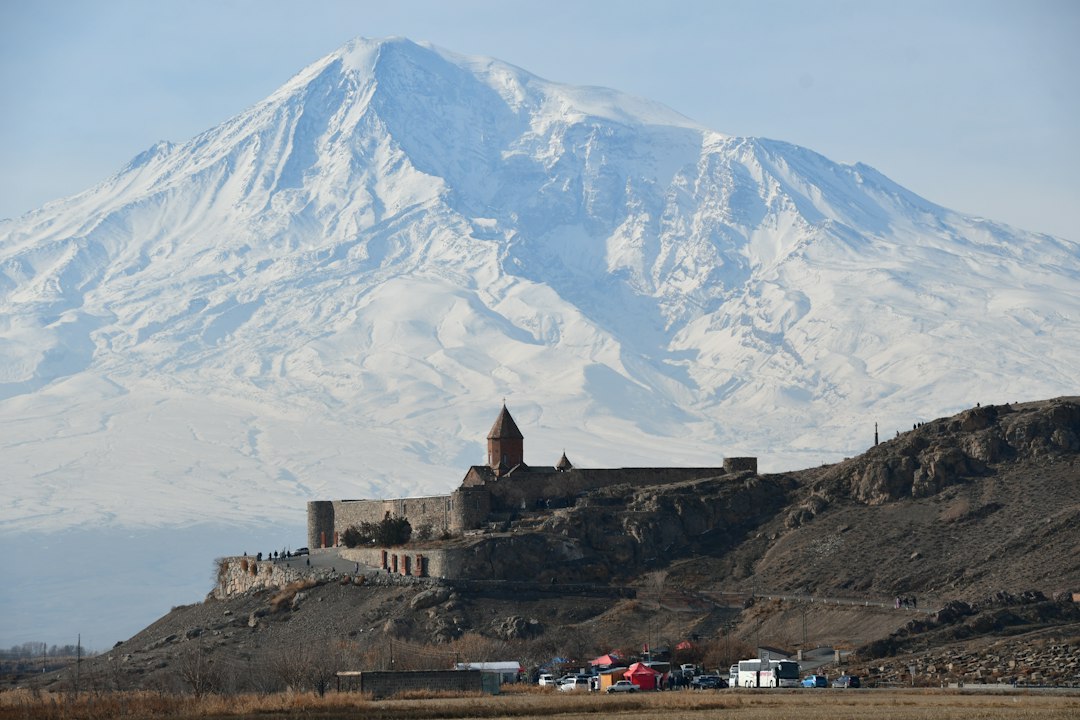
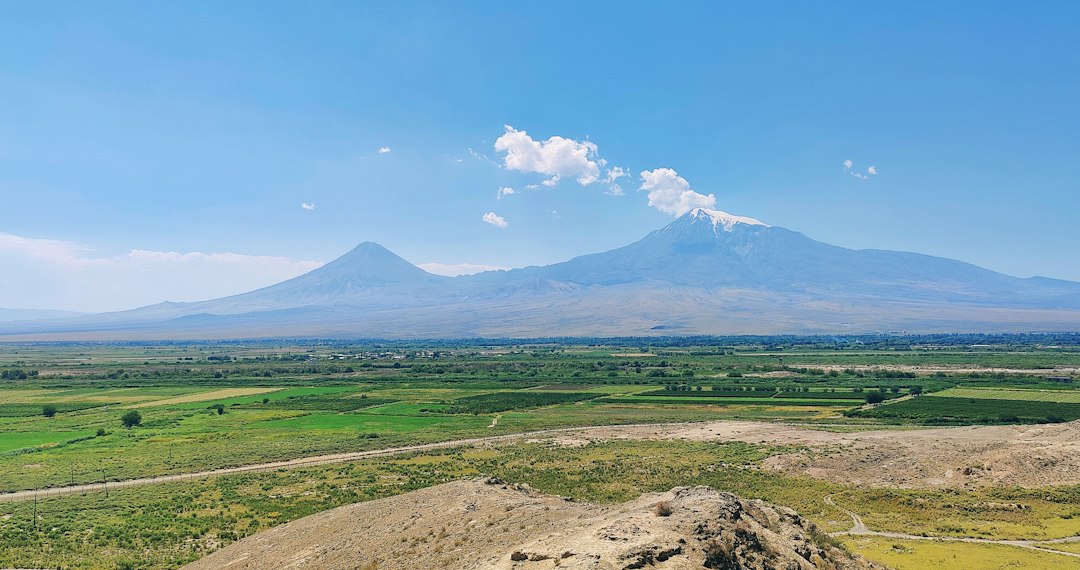
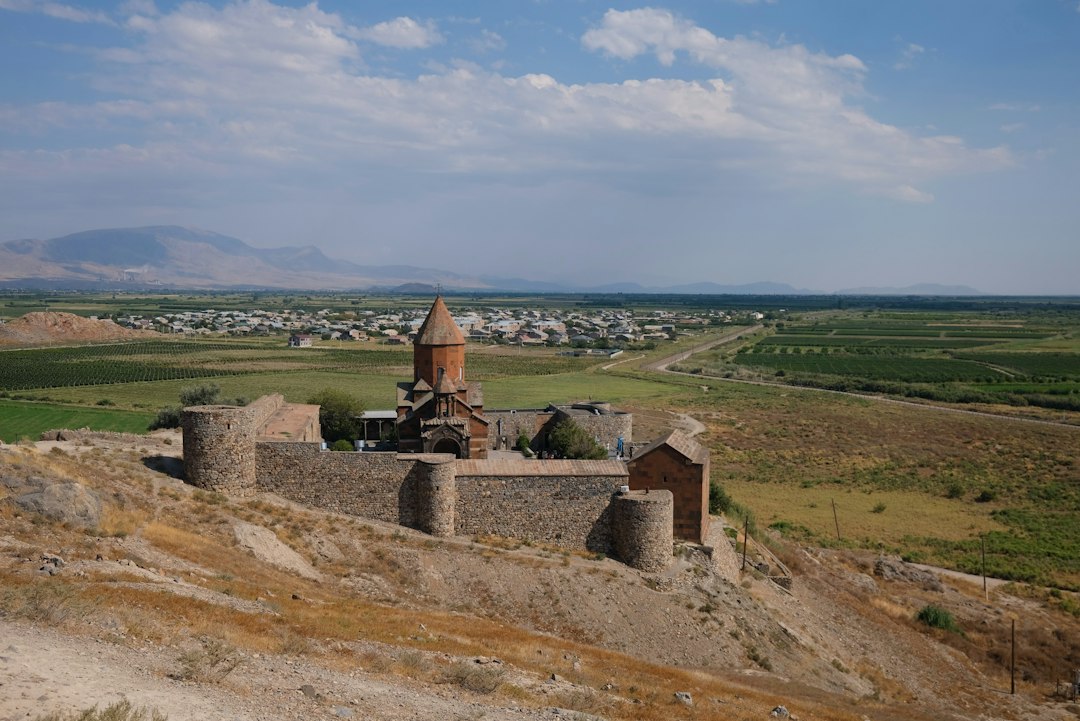
The Khor Virap monastic complex is located near the village of Pokr Vedi, in the Ararat plain, about forty kilometers south of Yerevan. Its location is visually extraordinary: the structure rises on a low promontory that juts out from the volcanic plain, and behind it — when the sky is clear — stands Mount Ararat, the great sleeping volcano that Armenians consider the symbolic heart of their national identity, now in Turkish territory. The proximity between the monastery and the biblical mountain creates a landscape that is hard to forget.
The history of the monastery and its construction
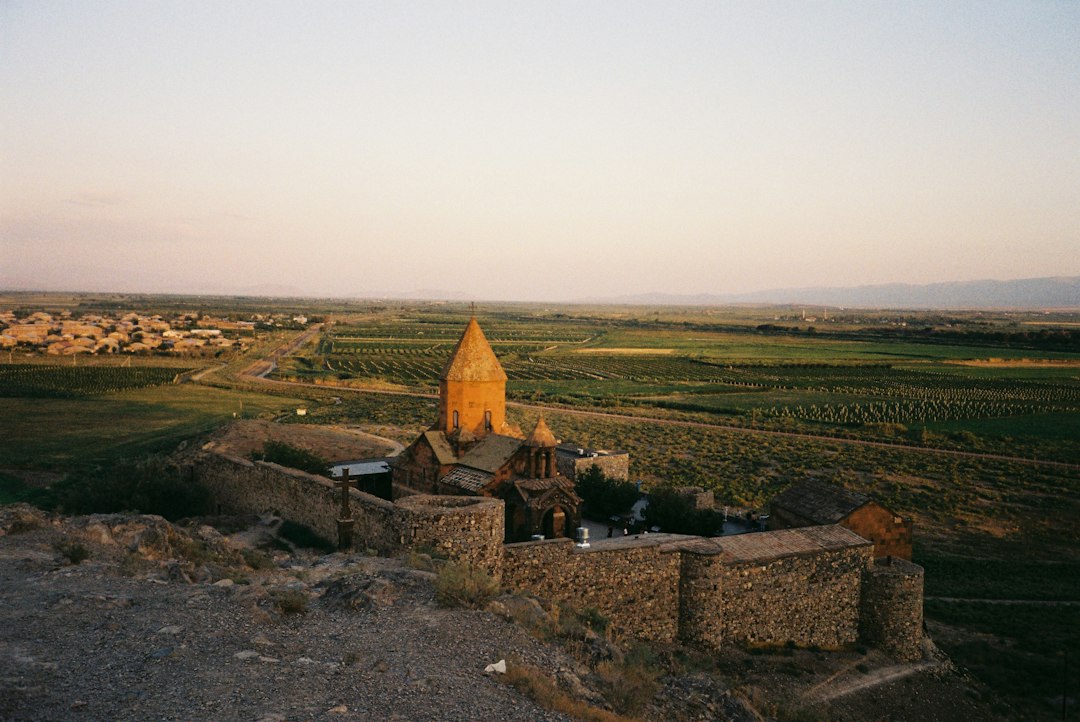
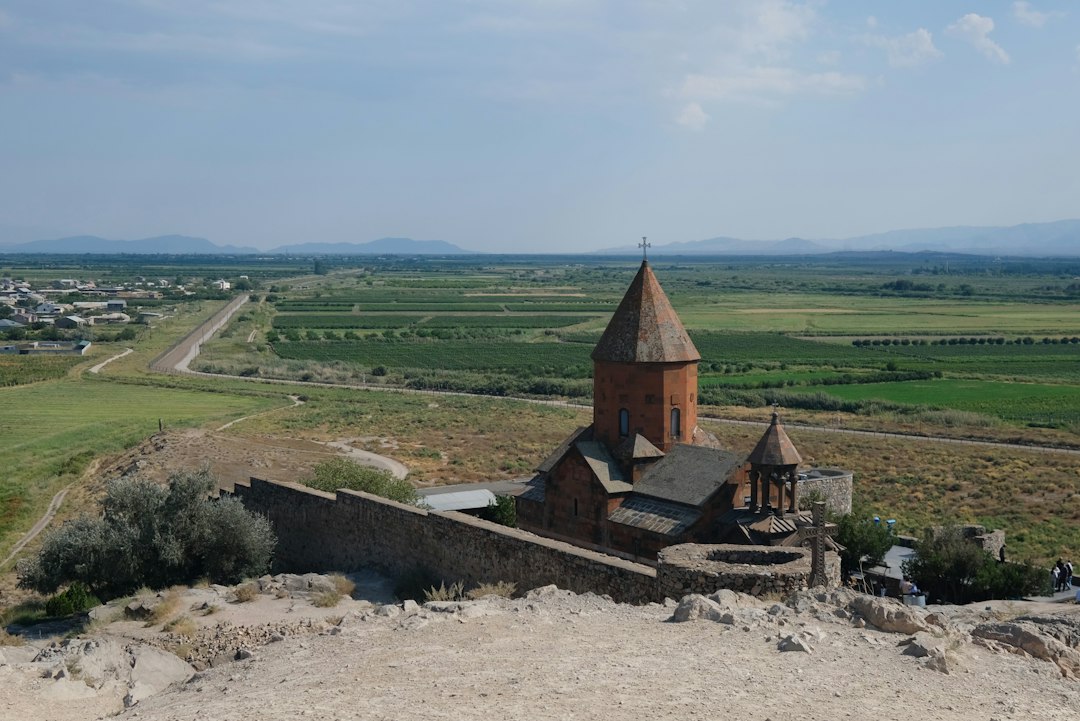
The site on which Khor Virap stands has a layered history. An initial religious structure was erected here as early as 642 AD, but the complex that visitors see today is the result of reconstructions and expansions that mainly took place in the 17th century. The main church, dedicated to the Virgin Mary, was completed in 1662 under the supervision of the Armenian catholicos Hakob IV Jughayetsi. The dark stone perimeter walls, the corner towers, and the dome of the main church are the architectural elements that define the silhouette of the monastery as seen from the plain.
Inside the enclosure, there are two underground chapels accessible to the public: the chapel of Saint Gregory, which includes the original pit of imprisonment, and the chapel of Saint Zacharias. The walls of the chapels preserve traces of frescoes and inscriptions in classical Armenian, and the atmosphere is that of a still-living place of worship, not a museum. The faithful light candles, kneel, and touch the stones as one does in an authentic sacred place.
The experience of descending into the pit
The most memorable part of the visit is undoubtedly the descent into the pit of Gregory. A steep and narrow metal ladder leads down to the bottom of the well where the future saint spent thirteen years in darkness. The space is tiny — a few square meters — and the claustrophobic feeling is real. Many pilgrims descend in silence and remain for a few minutes in prayer; non-religious tourists are often equally struck by the physical concreteness of the place.
It is advisable to wear shoes with non-slip soles, as the steps can be damp. Those who suffer from claustrophobia or have mobility difficulties can limit themselves to observing from the upper opening, which still offers a significant perspective on the depth of the well.
Khor Virap as an Active Pilgrimage Site
Khor Virap is not a museum site: it is an active Armenian Apostolic church, with regular liturgies and a constant flow of pilgrims, especially on holidays. The Vartavar and other celebrations of the Armenian calendar attract faithful from all over the country and the diaspora. During these occasions, the monastery comes alive with families, priests in liturgical garments, and children — a completely different atmosphere from an ordinary visit.
Entry to the site is free, and the monastery is generally open from dawn to dusk. There is no strict closing time during the summer months, but it is advisable to arrive by the early afternoon to avoid flat light and organized tourist groups coming from Yerevan. Dawn and the early morning hours offer the best light for photographing the monastery with Ararat in the background.
How to get there and practical advice
From Yerevan, Khor Virap can be reached in about an hour by car by taking the road south towards Artashat. There is no convenient direct public bus connection, so the most practical solution is to rent a car or join one of the many organized tours that depart daily from the capital, often combined with a visit to the Areni winery or the Noravank site. The cost of a shared day tour typically ranges between 15 and 30 euros per person.
Bring water, especially in summer, when the Ararat plain can be scorching and the sun beats directly on the promontory without shade. A scarf or shawl is necessary for women entering the chapels. The ideal time to visit remains early in the morning on a weekday, when the site almost entirely belongs to Armenian pilgrims and the silence restores something of the original austerity of the place.


