


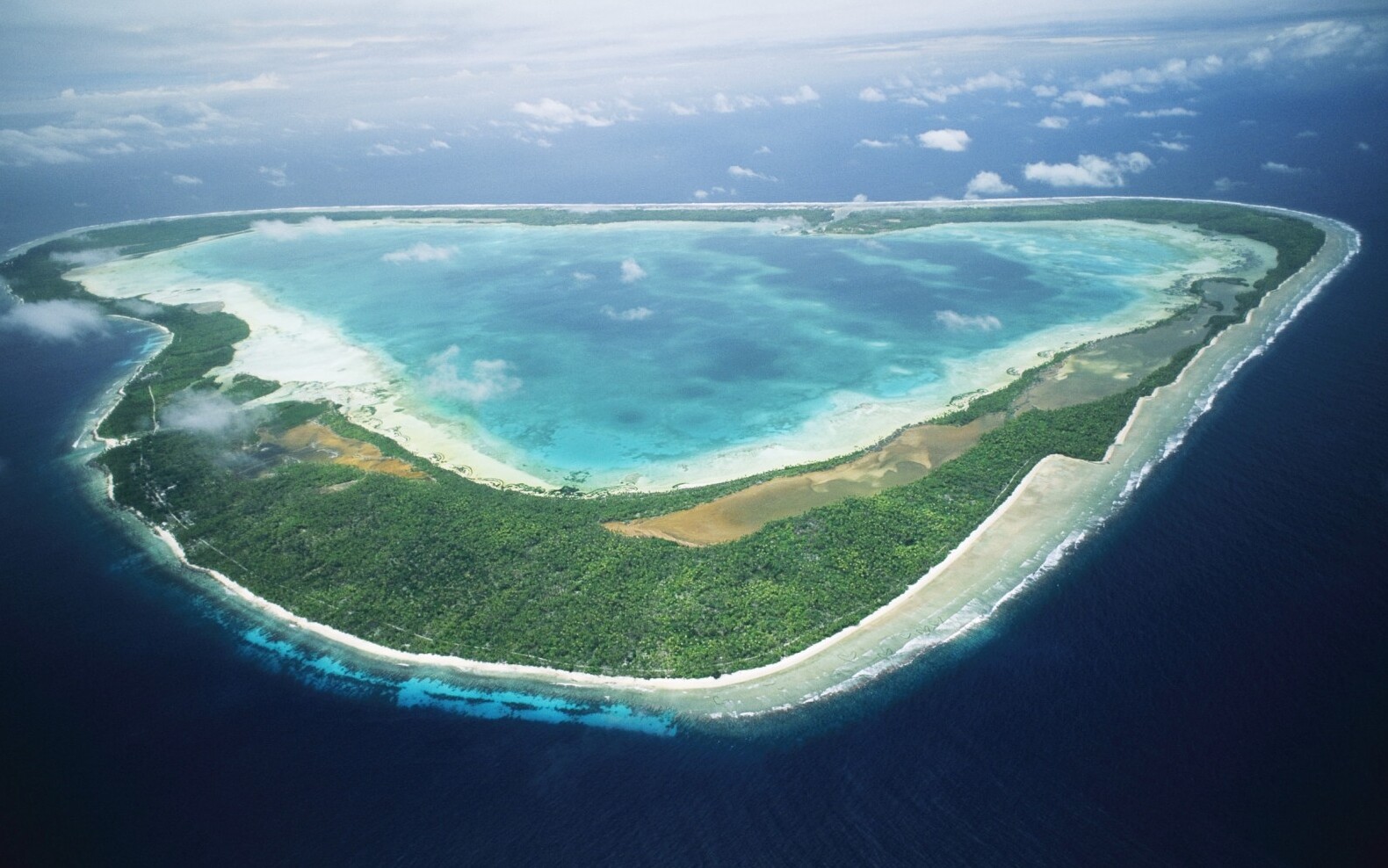
In the heart of the Pacific Ocean lies Kiribati, an archipelago that remains one of the world’s least visited countries, captivating those who are adventurous enough to make the journey. Among its scattered atolls, Betio Island stands out not only for its strategic significance during World War II but also for its vibrant local culture and stunning landscapes.

History and Origins The origins of Kiribati can be traced back over 3,000 years, with the islands originally settled by Polynesian navigators. These early inhabitants developed a distinct culture, relying on fishing and agriculture to sustain their communities. The islands were first sighted by European explorers in the late 18th century, notably by Captain James Cook in 1777.
However, it was the Battle of Tarawa in November 1943 that would mark Kiribati's significant place in history. This fierce battle between American forces and the Japanese army was pivotal in the Pacific theater, resulting in heavy casualties and immense destruction. Today, remnants of this tumultuous past can be seen in Betio, where war memorials and relics serve as somber reminders of the island's strategic importance.
Art and Architecture The architectural style of Betio Island reflects a blend of traditional and modern influences. Traditional Kiribati houses, known as "manebas," are constructed from local materials like palm fronds and wood, characterized by their raised platforms to adapt to the island’s coastal environment.
Art in Kiribati is predominantly functional, with traditional crafts such as weaving and carving playing a significant role in everyday life. Tapa cloth, made from the bark of the mulberry tree, is often decorated with intricate designs and used for ceremonial purposes. The local art scene is also evolving, with contemporary artists infusing global influences into their work, creating a dialogue between past and present.
Local Culture and Traditions The culture of Betio Island is rich and colorful, woven together by traditions that have been passed down through generations. Local customs often revolve around community gatherings, where storytelling, music, and dance take center stage. The Te Kawai dance, for example, is a traditional performance that showcases the island's history and legends.
Festivals play a crucial role in the cultural calendar. One of the most significant is The Kiribati Independence Day, celebrated on July 12, marking the nation’s independence from Britain in 1979. This day is filled with vibrant parades, traditional music, and communal feasts, reflecting the unity and resilience of the Kiribati people.
Gastronomy The culinary landscape of Betio is a reflection of its oceanic surroundings and cultural history. Seafood is a staple, with fish such as tuna and snapper often served fresh. Traditional dishes include "te bun," a coconut and fish stew, and "mukamuka," a savory fish dish wrapped in banana leaves.
Coconuts are a vital part of the local diet, used not only for their meat and milk but also for their oil. In terms of beverages, kava is popular among locals, a traditional drink made from the roots of the kava plant, known for its relaxing properties.
Lesser-Known Curiosities Despite its isolation, Betio Island holds unique facts that often go unnoticed. For instance, it is home to the Buariki Fish Aggregating Device (FAD), an innovative local initiative designed to promote sustainable fishing practices. Additionally, the island hosts a unique phenomenon known as King Tide, where the ocean swells dramatically, showcasing the delicate balance between nature and life in this low-lying atoll.
Another fascinating aspect is the community's approach to climate change. As one of the countries most affected by rising sea levels, the local populace has developed adaptive strategies, emphasizing resilience and sustainability in their daily lives.
Practical Visitor Information The best time to visit Betio Island is during the dry season, which typically runs from April to October. During these months, travelers can enjoy pleasant weather and the opportunity to partake in local festivals.
Given its limited infrastructure, it is advisable for visitors to plan ahead. Flights are available from Tarawa, the capital, but services can be sporadic. Travelers should also be prepared for basic accommodations and local customs that may differ significantly from those of more mainstream tourist destinations.
For those looking to immerse themselves in a truly unique experience, exploring the rich tapestry of life on Betio Island promises an adventure unlike any other. Use the Secret World app to craft a personalized itinerary that helps you uncover the hidden gems of this remote paradise.
