



The King's Grave, or Kivik Grave, located near the coastal village of Kivik in Skåne, Sweden, is a remarkable testament to Bronze Age artistry and burial practices. Dating back to around 1400 BC, this ancient burial site reveals fascinating insights into the lives of the Nordic people of that era. Its grand scale and intricate petroglyphs set it apart from other burial sites of the time, making it a significant historical and cultural landmark.
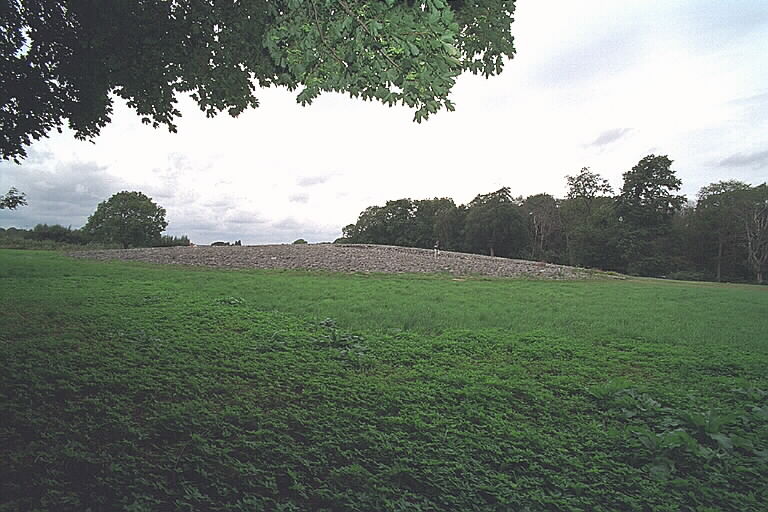
### History and Origins The King's Grave is believed to be the final resting place of an esteemed individual, possibly a chieftain or a figure of high status in Nordic society. This double burial is unique in its construction, featuring a circular mound that spans an impressive 75 meters (approximately 250 feet) in diameter. The site has endured centuries of natural and human interference, including its use as a quarry for stones, which marred some of its original features. However, excavations and restorations have allowed historians to piece together its significance.
Discovered in the early 19th century, the grave was meticulously studied by archaeologists, revealing the cists adorned with petroglyphs—intricate carvings that depict scenes of daily life and mythology. The artistry found here is not only a showcase of skill but also a window into the cultural practices of the time, illustrating the importance of shipbuilding, hunting, and ceremonial music.
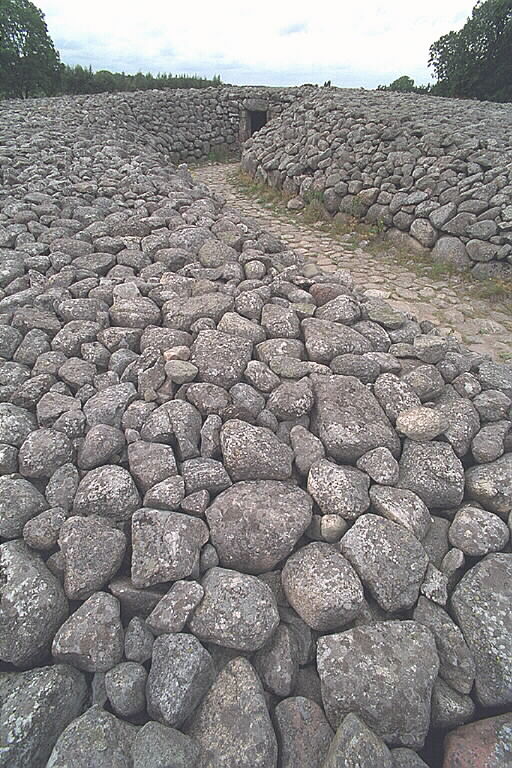
### Art and Architecture The architectural style of the King's Grave is representative of the Nordic Bronze Age, characterized by its burial mounds and stone constructions. The tomb's circular shape signifies a communal aspect of burial practices, inviting the living to connect with their ancestors. The petroglyphs carved into the stone cists are particularly noteworthy, showcasing intricate designs that include figures of people, animals, and symbols, as well as vivid representations of a chariot drawn by horses.
These carvings hold artistic significance, as they reflect the mythology and daily life of the Bronze Age, giving us a glimpse into the spirituality and practices of the time. The combination of size, artistry, and historical context makes the King's Grave a unique architectural wonder that stands as a symbol of Skåne’s rich heritage.
### Local Culture and Traditions The area surrounding Kivik is rich in local culture, with traditions that hark back to ancient times. One of the most celebrated events is the Kivik Market, held annually in early August, where locals and visitors gather to enjoy traditional crafts, local foods, and music. The market embodies the community spirit, allowing attendees to experience the vibrancy of Skåne’s traditions.
In addition to markets, the region also honors its agricultural roots. Apple orchards are prolific in this part of Sweden, with local apple varieties celebrated through festivals and cider tastings. The annual Kivik Apple Festival in September showcases the harvest, local culinary delights, and the significance of apples in Swedish culture.
### Gastronomy The culinary scene in Kivik is heavily influenced by the local landscape. Fresh seafood, particularly herring and salmon, plays an important role in traditional Swedish cuisine. Visitors can indulge in local specialties such as Kiviks Musteri, a renowned juice and cider producer that offers tastings of their famous apple juices and ciders.
Additionally, the region boasts a variety of Scandinavian pastries and baked goods, often made with locally sourced ingredients. Traditional dishes served in local eateries might include herring platters or Swedish meatballs, providing a taste of the Nordic culinary heritage.
### Lesser-known Curiosities While many tourists flock to the King's Grave for its historical significance, lesser-known curiosities abound. For instance, the nearby Kivik Art Centre features contemporary art installations that create a striking contrast with the ancient burial site. This juxtaposition of old and new art forms sparks discussions about cultural evolution and heritage.
Moreover, the petroglyphs are not just artistic expressions; they serve as a form of storytelling, with each carving potentially representing significant events or myths of the time. Local lore suggests that some symbols, particularly those depicting ships, were believed to be protective charms for the souls of the departed as they journeyed to the afterlife.
### Practical Visitor Information The best time to visit the King's Grave is during the late spring and summer months, from May to September, when the weather is pleasant and conducive for outdoor exploration. Guided tours are often available, providing insight into the grave’s history and significance.
When visiting, be sure to take a closer look at the petroglyphs and the surrounding landscape, which offers stunning views of the coastline. The grave is part of a larger archaeological site, making it an excellent location for those interested in ancient history and archaeology.
In summary, immersing yourself in Kivik's rich tapestry of history, art, and culture promises an unforgettable experience. To tailor your visit and discover more hidden gems in the area, consider using the Secret World app to create a personalized itinerary that suits your interests.
