
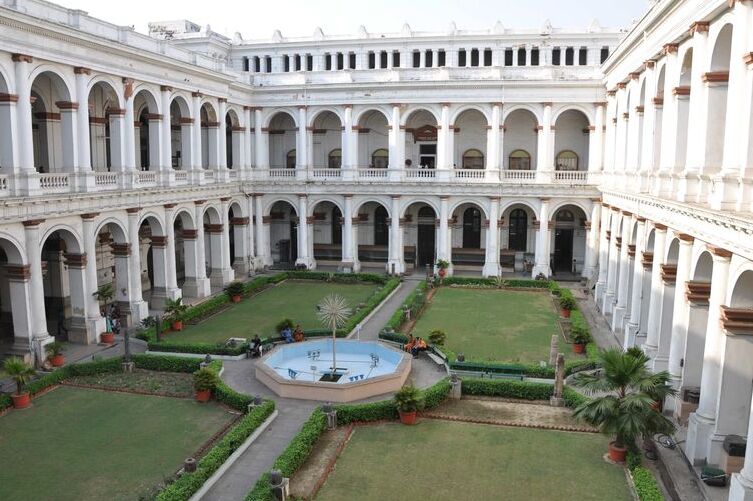

Stepping into the Indian Museum in Kolkata is like opening a time capsule that reveals the rich tapestry of India's cultural heritage. Founded in 1814, it is not only the largest museum in India but also one of the oldest in the world. The museum's origins trace back to the efforts of the Asiatic Society of Bengal, established by the renowned William Jones. Initially focused on natural history, the museum evolved to encompass a vast array of artefacts that celebrate the country's archaeological, artistic, and anthropological wealth.
The museum’s building, a magnificent example of Neoclassical architecture, was completed in 1875 and designed by the architect Walter Granville. Its grand façade, adorned with columns and an impressive entrance, sets the stage for the treasures within. The interiors boast high ceilings and spacious galleries, creating an atmosphere of reverence for the historical artefacts on display. Among the most notable artworks is the Buddhist art collection, showcasing sculptures and relics that reflect the profound influence of Buddhism in Indian culture.
The museum is also home to a rare Egyptian mummy, a captivating draw for visitors intrigued by ancient civilizations. In addition, the Barhut Gateway, a stunning reproduction of the second-century BC original, gives insight into the architectural prowess of ancient India. Each exhibit tells a story, making the Indian Museum a vital repository of knowledge and a testament to the artistic legacy of the subcontinent.
Kolkata's local culture is deeply intertwined with its history, and the museum serves as a hub for understanding the vibrant traditions that define the city. Festivals like Durga Puja, celebrated with immense fervor, showcase the artistic talents of local artisans, echoing the creativity seen within the museum's walls. The rhythm of Kolkata flows through its myriad customs, from traditional Bengali weddings to the colorful celebrations of Poila Baisakh, the Bengali New Year, both of which are steeped in cultural significance.
Food is another pillar of Kolkata’s identity, and a trip to the Indian Museum can easily be complemented by sampling the local cuisine. The iconic macher jhol (fish curry), puchka (pani puri), and the sweet delight of rasgulla are just a few dishes that embody the city's culinary heritage. Don’t miss trying a refreshing glass of mishti doi (sweetened yogurt) after your museum visit, a perfect way to indulge in the local flavors.
While many visitors flock to the popular exhibits, some lesser-known curiosities await discovery. For instance, the museum houses an extensive collection of Indian fossils, some dating back millions of years, providing a glimpse into the prehistoric world. Another hidden gem is the coin collection, featuring ancient coins that tell tales of past empires, trade routes, and the evolution of currency in India. These lesser-seen treasures offer a deeper understanding of India’s vast history.
When planning your visit to the Indian Museum, the best time is during the cooler months from November to February, when Kolkata’s weather is pleasant. Arriving early in the day allows for a quieter experience, giving you ample time to explore the galleries. Don’t forget to check out the museum shop, where you can find unique souvenirs and books that delve deeper into the exhibits.
In conclusion, the Indian Museum is not just a collection of artefacts but a vibrant narrative of Indian history, art, and culture. It stands as a testament to Kolkata's rich heritage and the stories waiting to be uncovered. For a personalized experience of this fascinating city, consider using the Secret World app to plan your itinerary.


