



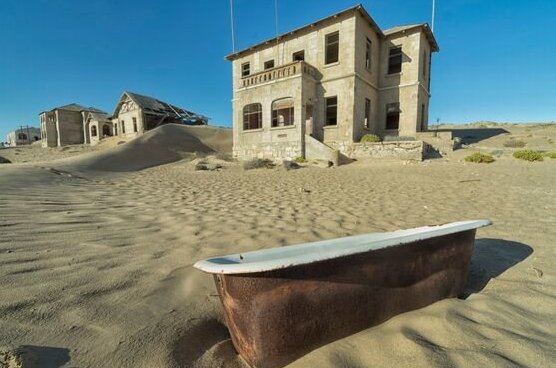
Kolmanskop, Namibia's most famous ghost town, stands as a poignant reminder of the diamond rush that transformed this barren landscape into a bustling settlement in the early 20th century.
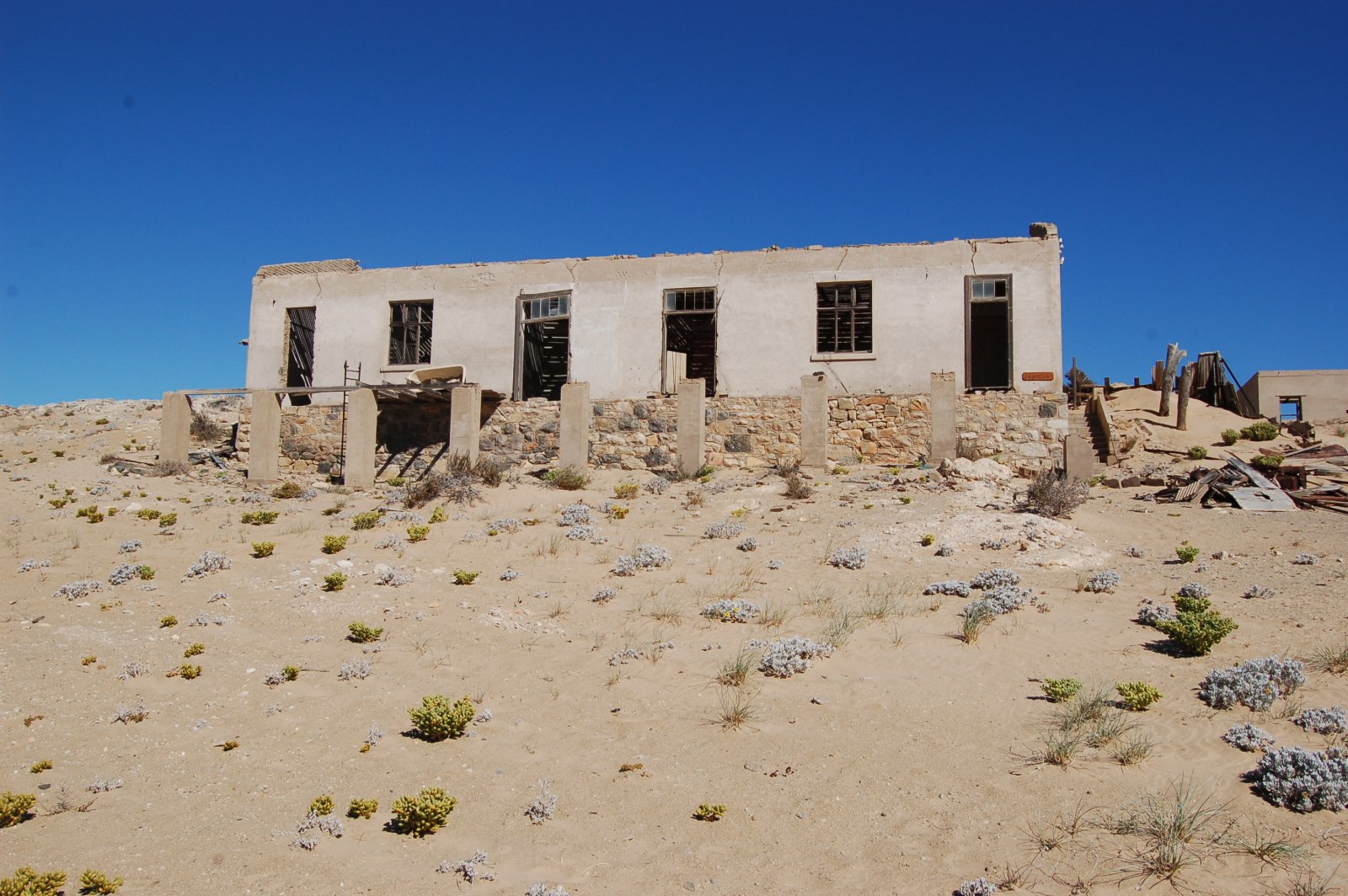
Nestled within the Sperrgebiet (forbidden territory) just a few kilometers inland from the port of Lüderitz, Kolmanskop's story began in 1908 when railway worker Zacharias Lewala stumbled upon a sparkling stone while shoveling sand away from the railway line. His supervisor, August Stauch, recognized the gem as a diamond, and once confirmed, news of the discovery spread like wildfire. This announcement sparked a massive diamond rush, drawing fortune hunters and hopeful miners from across the globe, eager to strike it rich in the arid Namib Desert.
In the years that followed, Kolmanskop transformed from a barren outpost into a thriving center, complete with elegant houses that showcased the architectural styles of early 20th-century German colonialism. The town was designed with meticulous attention to detail, featuring wide streets, manicured gardens, and even a hospital, school, and theater. The architectural style reflects a blend of German influences and local materials, with buildings made from plaster, wood, and corrugated iron. Notable structures include the town's school, which still stands with its distinctive yellow exterior, and the casino, where workers once gathered for leisure.
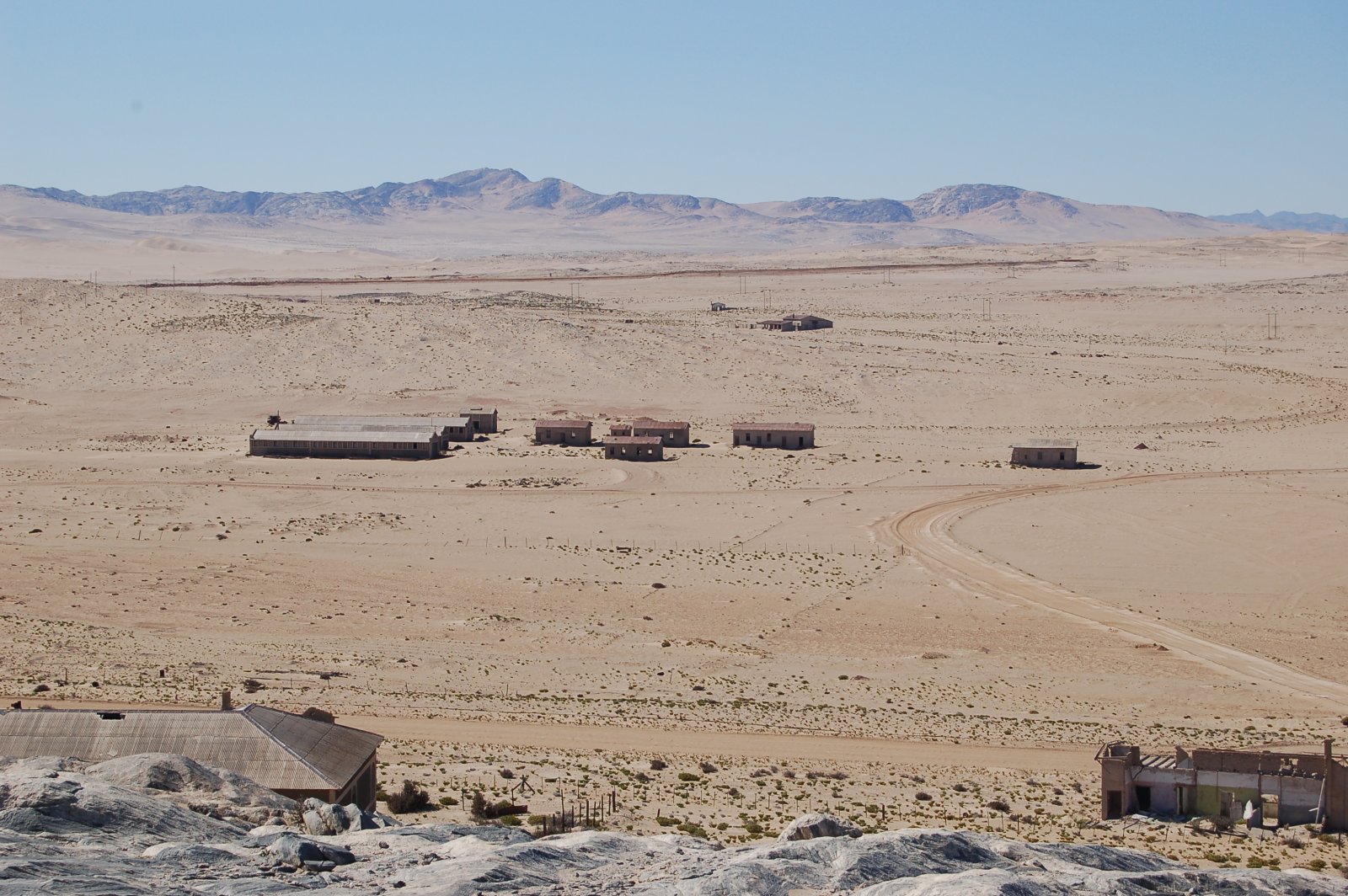
Despite its ghostly aura today, Kolmanskop was once alive with a vibrant community, reflecting the cultural tapestry of its inhabitants. The blend of German customs and local traditions shaped a unique lifestyle. Festivals such as Kölschfest, celebrated the arrival of German beer, showcasing the town’s heritage. Though those celebrations have faded, remnants of local customs linger in the architecture and the stories passed down through generations.
The gastronomy of Kolmanskop, like its culture, is a reflection of its past. Traditional German dishes such as sauerkraut, bratwurst, and breads were staples for the settlers. In contrast, local Namibian cuisine, characterized by game meats and maize, also found its way onto the tables of Kolmanskop’s residents, offering a fusion of flavors that represented both cultures. Even today, the surrounding region boasts eateries where travelers can savor the legacy of this culinary blend.
While many visitors come for the haunting beauty and the iconic images of sand-filled rooms, there are lesser-known curiosities that enrich the experience of Kolmanskop. For instance, the town was equipped with a modern (for its time) ice-making plant, which was a luxury in such a remote location. Additionally, the town’s inhabitants used to enjoy a sophisticated theater and even a bowling alley, which speaks volumes about the community life that thrived before the diamond resources dwindled.
The decline of Kolmanskop began in the 1930s when diamond deposits were discovered further south, leading to the town’s abandonment. By 1956, the last residents had left, leaving behind a ghost town slowly reclaimed by the desert. Today, the shifting sands and crumbling buildings tell a poignant tale of ambition, prosperity, and eventual decline.
For those thinking of visiting, the best time to explore Kolmanskop is during the cooler months from May to September. The pleasant temperatures make wandering through the town's eerie, sand-laden structures more enjoyable. Photography enthusiasts will find the interplay of light and shadow particularly captivating during sunrise and sunset, casting a mystical glow over the ruins.
Before you go, remember to adhere to local regulations, especially regarding photography, as some areas may have restrictions. Guided tours are available, providing valuable insights into the history and significance of this hauntingly beautiful site.
Kolmanskop is not just about the ruins; it’s a journey into a fascinating past filled with stories of dreams and despair. To ensure a tailored experience that captures the essence of this enigmatic ghost town, consider using the Secret World app for a personalized itinerary.
Visiting Kolmanskop is like stepping into a haunting dreamscape, a poignant reminder of both human ambition and nature's reclaiming power.
