
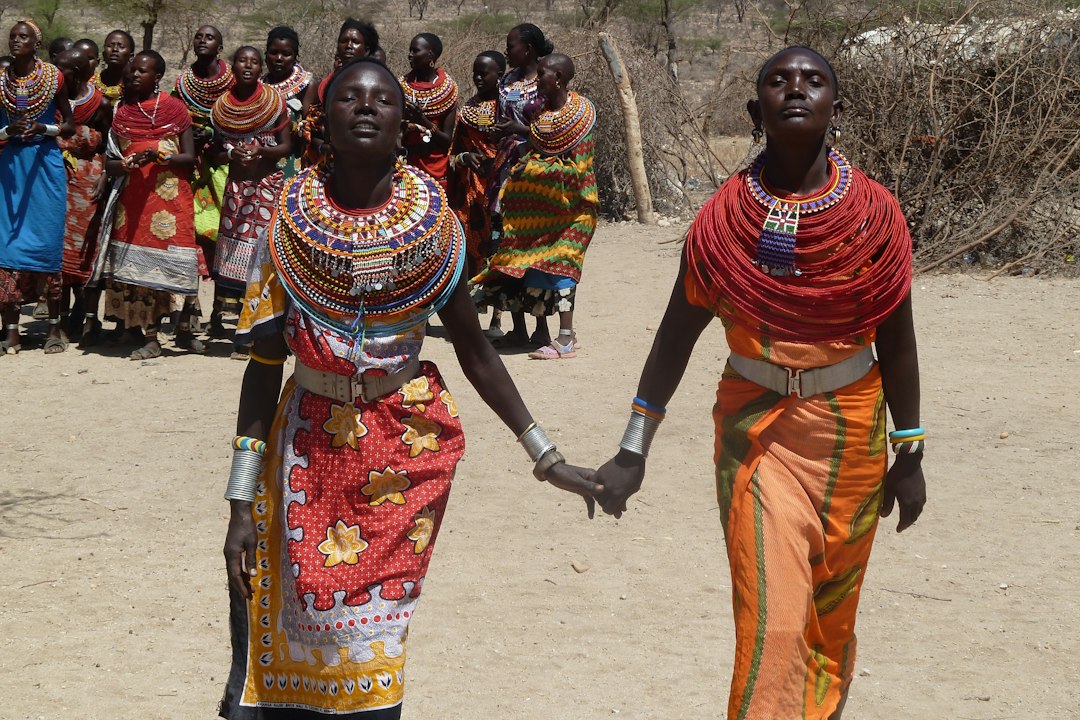

At the top of a terraced hill in southern Ethiopia, where stone walls rise in steps to the horizon, are some of the most unique funerary sculptures on the African continent. The waka figures — wooden statues carved to commemorate the warriors and leaders of the Konso people — emerge from enclosures of poles and stone like silent sentinels, their stylized faces looking out over the terraced fields that the deceased helped to build during their lifetime. These are not artifacts preserved under glass, but objects placed exactly where tradition dictates they should be: in the villages where the communities that created them still live today.
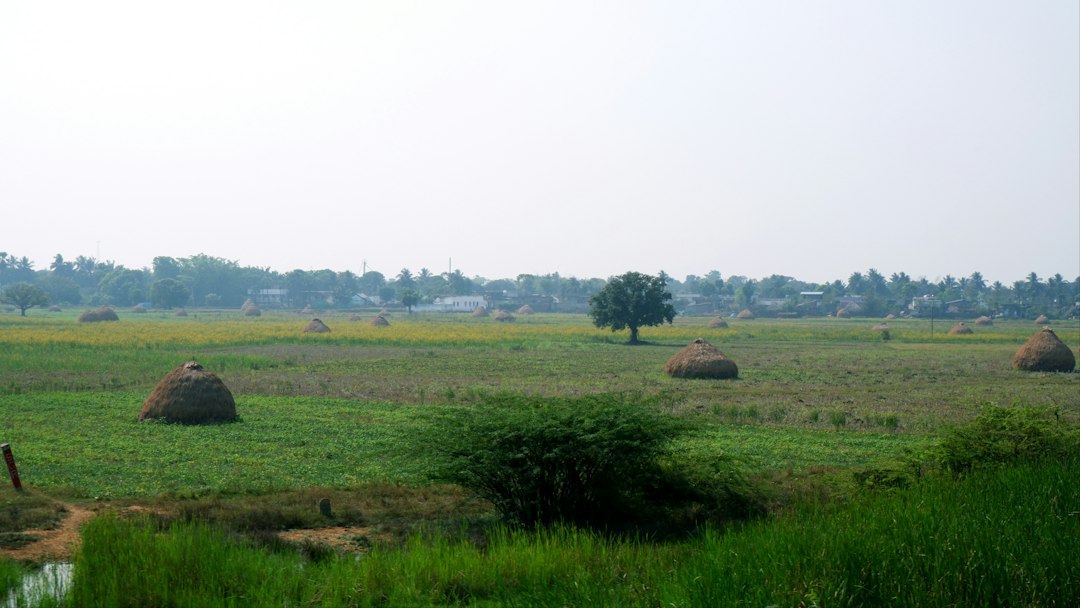
The Konso Cultural Landscape was inscribed on the UNESCO World Heritage List in 2011, a recognition that concerned not only the walled villages — locally called paleta — but the entire land management system: the hand-built agricultural terraces developed over at least four hundred years, the irrigation channels, the stone roads, and the ceremonial sites. It is one of the rare cases where living heritage and material heritage are inseparable.
The waka figures: what to see and how to recognize them
The waka sculptures are erected in groups, called daga-hela, and represent an important warrior along with his defeated enemies and his wives. The main character is recognizable by the upright posture, the frontal expression, and sometimes by symbolic attributes such as spears or shields. The oldest figures present in the villages date back generations and show the natural degradation of the wood, often used without conservation treatments, which makes each group of waka a visual document of the local history in progressive deterioration.
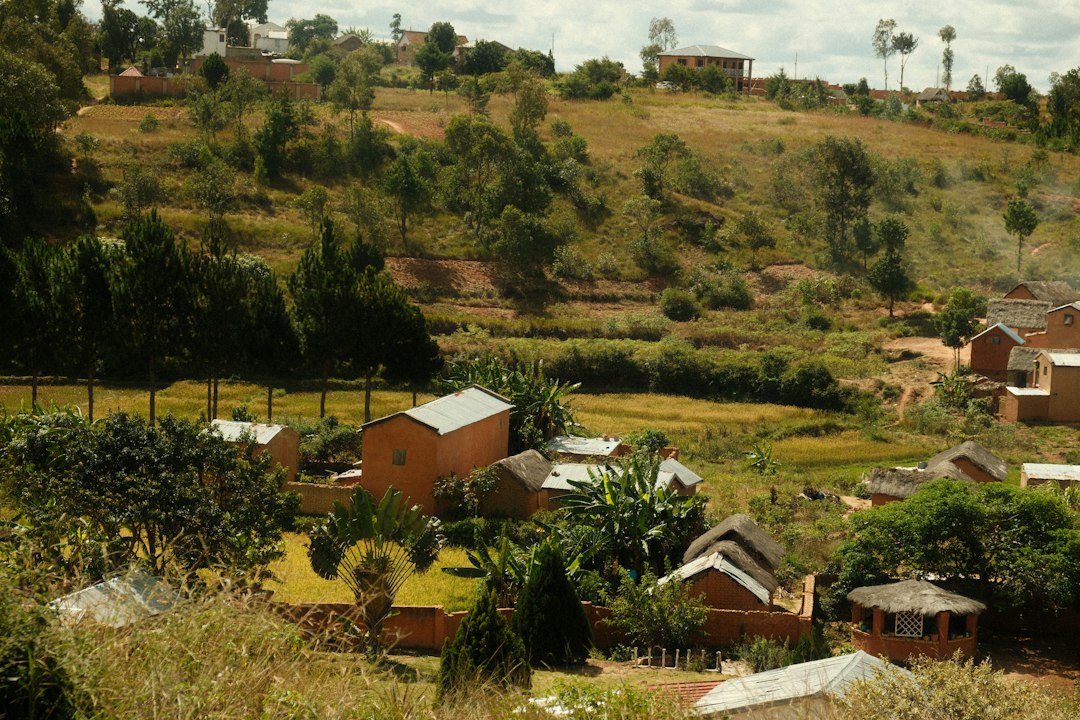
In the village of Mecheke, considered one of the most accessible to visitors, it is possible to observe groups of waka still in situ, next to ceremonial stone structures. The local guide — whose presence is practically indispensable to understand the meaning of the individual figures — can explain the hierarchy represented within each group and the role of the generation-grade Konso system, which regulates the transfer of power between generations approximately every eighteen years.
The Konso Museum and Cultural Center
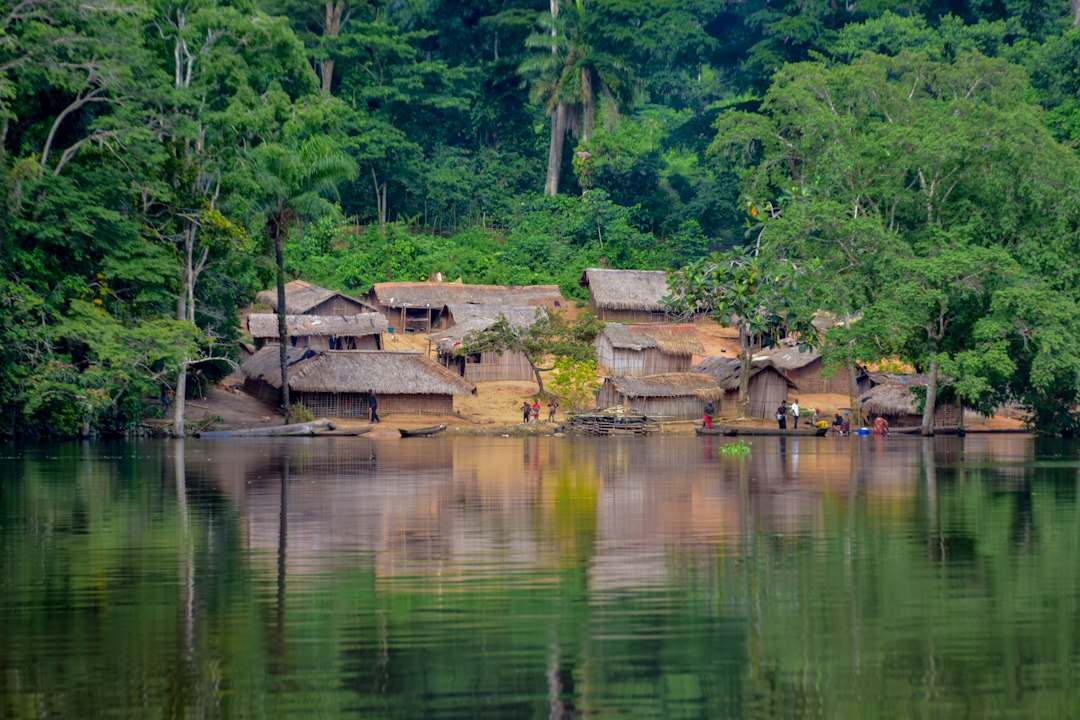
In the center of the city of Konso, there is a small ethnographic museum that collects objects of daily life, agricultural tools, traditional clothing, and some photographic reproductions of the walled villages. It is not a large structure nor comparable to the national museums in Addis Ababa, but it offers a useful context before visiting the villages. Entrance to the cultural sites requires the payment of an access ticket which, according to available information, is around 100-200 Ethiopian birr for foreign visitors, although the rates may vary and it is advisable to check on-site.
The value of the cultural center lies not so much in the exhibited collections but in the opportunity to meet community members and organize guided tours to the paleta. Some local cooperatives manage the tours and ensure that part of the proceeds remains with the families of the villages. Purchasing handicrafts directly from the producers — particularly fabrics and small wooden sculptures — is a concrete way to support the local economy.
The terraces: the living outdoor museum
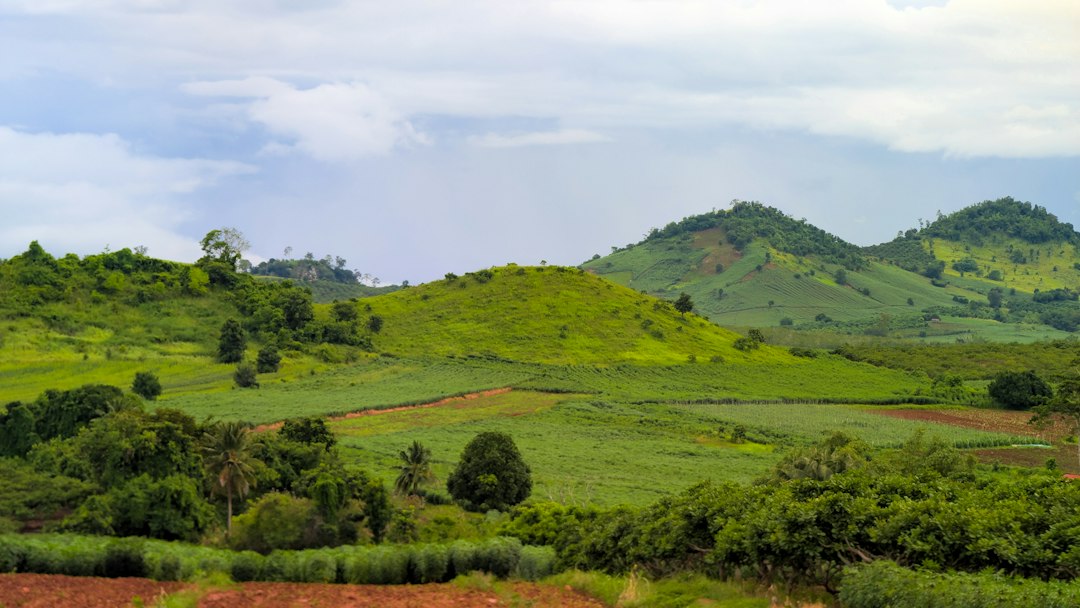
Walking among the villages, what strikes you as much as the statues is the landscape itself. The Konso agricultural terraces cover the hills for miles and have been built and maintained entirely by hand, without the use of machinery, over the course of centuries. The dry stone walls hold the soil on slopes that would otherwise be impractical, allowing the cultivation of sorghum, corn, and cotton in an area with scarce rainfall.
Observing a Konso farmer at work on a terrace, using the same tools and techniques passed down through generations, is an experience that no indoor museum can replicate. The paths connecting the walled villages traverse these landscapes and require a moderate walk, with elevation changes that can be significant in some sections.
Practical Information for the Visit
Konso can be reached from Arba Minch, the nearest city with an airport, by traveling about 90 kilometers west on paved road. The journey by minibus or private vehicle takes about two hours. The dry season, between November and February, is the best time to visit: the paths between the villages are passable and the temperatures are milder compared to the summer months.
Spending at least one whole day for the visit is the minimum reasonable time to see more than one walled village and the main waka groups. Bringing enough water is essential, as shops within the villages are scarce. Photographing the waka figures is generally allowed, but it is good practice to ask the local guide for permission before approaching active ceremonial structures.


