
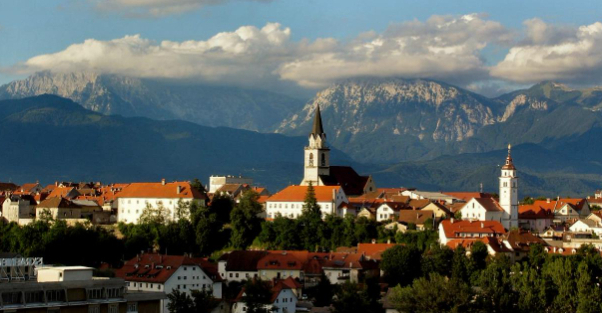

Nestled at the confluence of the Sava and Kokra rivers, the town of Kranj in Slovenia is a hidden gem that weaves together the tapestry of time with vibrant threads of history, art, and culture. As you stroll down the charming cobblestones of Prešernova Street, the sun spills over lively terraces offering stunning river views, inviting you to pause and savor the moment.
The origins of Kranj stretch back to the ancient times of the Illyrians and Celts, who first recognized the strategic importance of this location. However, it was during the Roman era that Kranj, known as Carnium, began to establish itself as a significant settlement. Through the centuries, Kranj flourished and became a vital medieval center, evidenced by its well-preserved city walls and the Gothic St. Cantianus Church. The town's history is punctuated by events such as its role in the Austro-Hungarian Empire and its eventual emergence as a key industrial hub in Slovenia during the 19th century.
Kranj’s artistic and architectural heritage is as impressive as its history. The town is renowned for its eclectic mix of architectural styles, from medieval fortifications to Baroque and Renaissance influences. The Toll House and Khislstein Castle are prime examples of this blend, with the latter housing a museum that provides insight into the region's rich past. Art lovers will appreciate the numerous galleries and the Prešeren Theatre, named after the beloved Slovenian poet France Prešeren, who spent part of his life in Kranj. His legacy is celebrated throughout the town, with a statue in the main square and an annual festival in his honor.
Cultural traditions in Kranj are vibrant and varied, reflecting the town's deep-rooted historical and artistic significance. Carnival is a lively event, celebrated with colorful parades and traditional masks, echoing ancient Slavic customs. Another highlight is the Kranj Summer Festival, which fills the streets with music, theatre, and dance, drawing visitors and locals alike into a celebration of life and community. The town’s cultural calendar is further enriched by the Week of Slovenian Drama, a testament to Kranj’s ongoing commitment to the arts.
When it comes to gastronomy, Kranj offers a delightful taste of Slovenian cuisine, with a focus on local and seasonal ingredients. The region is known for Carniolan sausage (Kranjska klobasa), a savory delicacy that pairs perfectly with a slice of freshly baked bread and a glass of Slovenian wine. Desserts like potica, a rolled pastry filled with nuts, and the creamy kremna rezina are must-tries for those with a sweet tooth. Local markets are a great place to sample these delights, offering a feast for both the eyes and the palate.
Beyond the well-trodden paths, Kranj holds many lesser-known curiosities. The Tunnels beneath Kranj, originally built as air-raid shelters during World War II, now serve as a unique attraction, offering a glimpse into the town's more recent history. Another intriguing spot is the Pungert Tower, a remnant of the medieval fortifications that provides panoramic views of the surrounding landscape. These hidden gems add depth to the Kranj experience, offering stories that are often overlooked but equally fascinating.
For those planning a visit, the best time to explore Kranj is during the late spring or early autumn, when the weather is mild and the cultural events are in full swing. It's advisable to wear comfortable shoes, as the town’s cobblestones demand a bit of care. Don’t miss the chance to wander along the Kokra Canyon, a natural escape right in the heart of the town, where you can enjoy a peaceful walk amidst lush greenery.
In Kranj, every street, building, and view tells a story, inviting visitors to step back in time and immerse themselves in a place where history, art, and culture converge. It's a destination that captivates the senses and stirs the imagination, promising a memorable journey through the heart of Slovenia.


