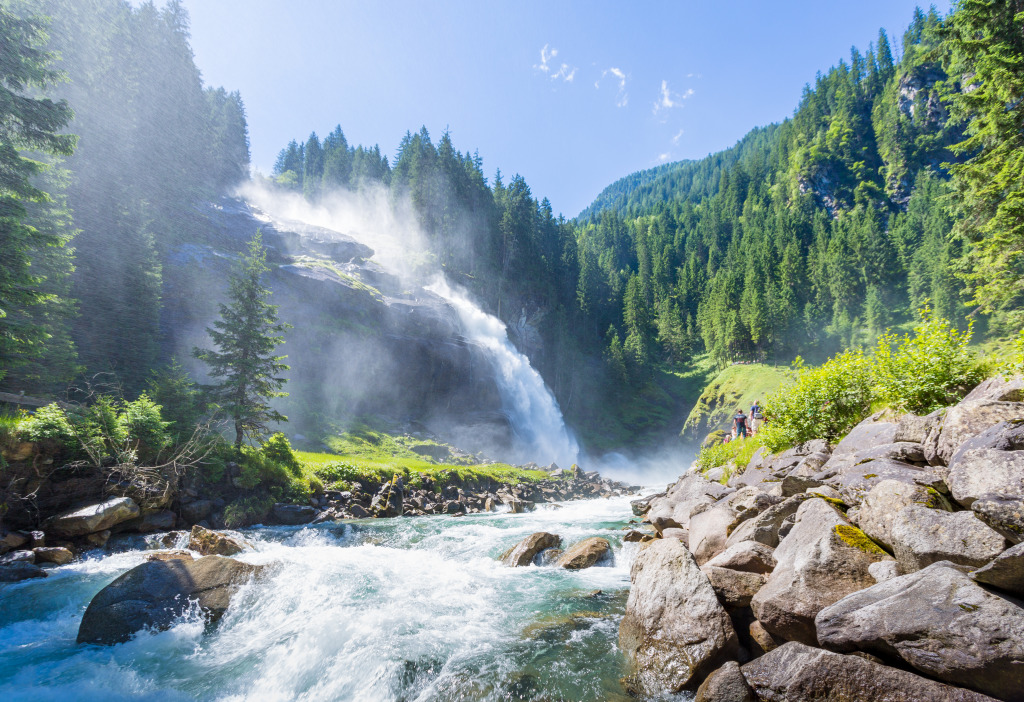


Nestled in the heart of the Hohe Tauern National Park, Krimml is a hidden gem that offers a breathtaking natural spectacle: Austria’s highest waterfalls. The Krimml Waterfalls, cascading down from a height of 380 meters, are not only a stunning sight but also a testament to the geological forces that shaped this picturesque region. As you embark on a journey through this enchanting landscape, you will uncover layers of history, culture, and gastronomy that make Krimml a unique destination.
### History and Origins
The history of Krimml dates back to ancient times, with the first documented mention appearing in 1200 AD. This small village, which lies at the edge of the Hohe Tauern mountains, was primarily agricultural until the 19th century when it began to attract tourists drawn to the beauty of the Krimml Waterfalls. In 1845, the waterfalls gained recognition when they were included in a travel guide by the renowned writer Johann Wolfgang von Goethe, who praised their grandeur. The area became a popular destination for Romantic-era poets and artists who were mesmerized by the natural beauty.
Over the years, Krimml has embraced tourism, developing infrastructure while maintaining its charming village atmosphere. The establishment of the Hohe Tauern National Park in 1981 further highlighted the importance of the region's natural landscapes and biodiversity, making Krimml not just a tourist hub, but also a center for environmental conservation.
### Art and Architecture
The architectural style of Krimml reflects its alpine character, featuring traditional wooden chalets adorned with vibrant flower boxes. The St. Joseph's Church, built in 1901, stands as a significant landmark in the village, showcasing a blend of Gothic and Alpine architectural styles. Inside, visitors can find beautiful frescoes and wooden carvings that depict local religious narratives.
Artistic significance in Krimml extends beyond its buildings. The spectacular natural setting has inspired numerous artists and photographers, contributing to a rich tradition of landscape painting. The waterfalls themselves have been depicted in various artworks, capturing the ethereal mist and the powerful flow of water, which locals and visitors alike find mesmerizing.
### Local Culture and Traditions
The culture of Krimml is deeply rooted in its alpine traditions. Every summer, the village hosts the Krimml Waterfall Festival, a celebration that includes music, dance, and local crafts. Visitors can enjoy traditional Austrian folk music, learn about local customs, and sample regional delicacies. The festival not only showcases local talent but also emphasizes the community's connection to the landscape.
In winter, Krimml embraces its snowy surroundings, offering opportunities for skiing and snowshoeing. The annual Krimml Ski Festival attracts winter sports enthusiasts from around the world, highlighting the village's adaptability and charm across seasons.
### Gastronomy
When it comes to gastronomy, Krimml offers a delightful array of traditional Austrian dishes. One must-try delicacy is the Kaiserschmarrn, a fluffy shredded pancake served with fruit compote. Pair it with a glass of local wine or a hearty mug of Austrian beer to complete your culinary experience.
For a taste of local flavors, visit the quaint Gasthof Krimml, where you can indulge in dishes made from locally sourced ingredients. Don't miss traditional Speck (cured ham) and Brettljause, a rustic platter featuring cheeses, meats, and pickles, perfect for refueling after a hike.
### Lesser-known Curiosities
While the Krimml Waterfalls are the star attraction, there are lesser-known curiosities that make this area special. For instance, the falls are part of the Krimmler Ache river, which originates from the Zillertal Alps and is known for its unique glacial waters that change color with the seasons.
Moreover, few visitors know that the waterfalls are not just a visual marvel; they also have a rich ecological significance. The mist created by the falling water supports diverse flora and fauna, creating a microclimate that is home to rare plant species.
Another intriguing fact is that the hike to the top of the waterfalls is designed to simulate a pilgrimage, with each viewpoint offering a new perspective, reflecting on the journey of life itself.
### Practical Visitor Information
The best time to visit Krimml is during the late spring and summer months (May to September), when the waterfalls are at their most powerful due to melting snow. The trails are well-marked, and hiking to the top of the falls takes approximately 1.5 hours. Make sure to wear sturdy footwear, as some paths can be steep and rocky.
If you're looking for a unique experience, consider visiting during autumn when the foliage transforms into a kaleidoscope of colors. Early morning or late afternoon hikes provide the best light for photography and a chance to enjoy the falls in relative solitude.
### Conclusion
With its stunning waterfalls, vibrant culture, and rich history, Krimml is a destination that invites exploration and appreciation of nature’s wonders. Whether you're hiking to the top of the falls, indulging in local cuisine, or immersing yourself in the village's traditions, there’s something for every traveler to discover.
To create a personalized itinerary to explore Krimml, consider using the Secret World app for tailored recommendations.
