



Nestled on a small island in southeast Greenland, Kulusuk is a vibrant settlement that showcases the rich heritage of the Inuit communities. Established in 1909, this picturesque locale is characterized by its brightly painted wooden homes, which stand out against the backdrop of stunning Arctic landscapes. The dialect of Greenlandic spoken here, known as Tunumiit oraasiat, is particularly noteworthy for its innovative qualities, differing significantly from the languages of western Greenland.

### History and Origins Kulusuk has a deep-rooted history that predates its formal establishment. The area has been inhabited by the Inuit for thousands of years, with archaeological evidence suggesting that the region was frequented by groups of hunters and gatherers. Historically, Kulusuk's strategic location made it a hub for hunting and fishing, providing vital resources for the local communities.
The settlement itself was formally founded in 1909 as a trading post, which opened new avenues for trade and interaction. The early 20th century brought significant changes, as Danish colonial influences became more pronounced. The establishment of the nearby U.S. Air Force Base during World War II further transformed Kulusuk, leading to an influx of outsiders and altering the local economy and social structures.
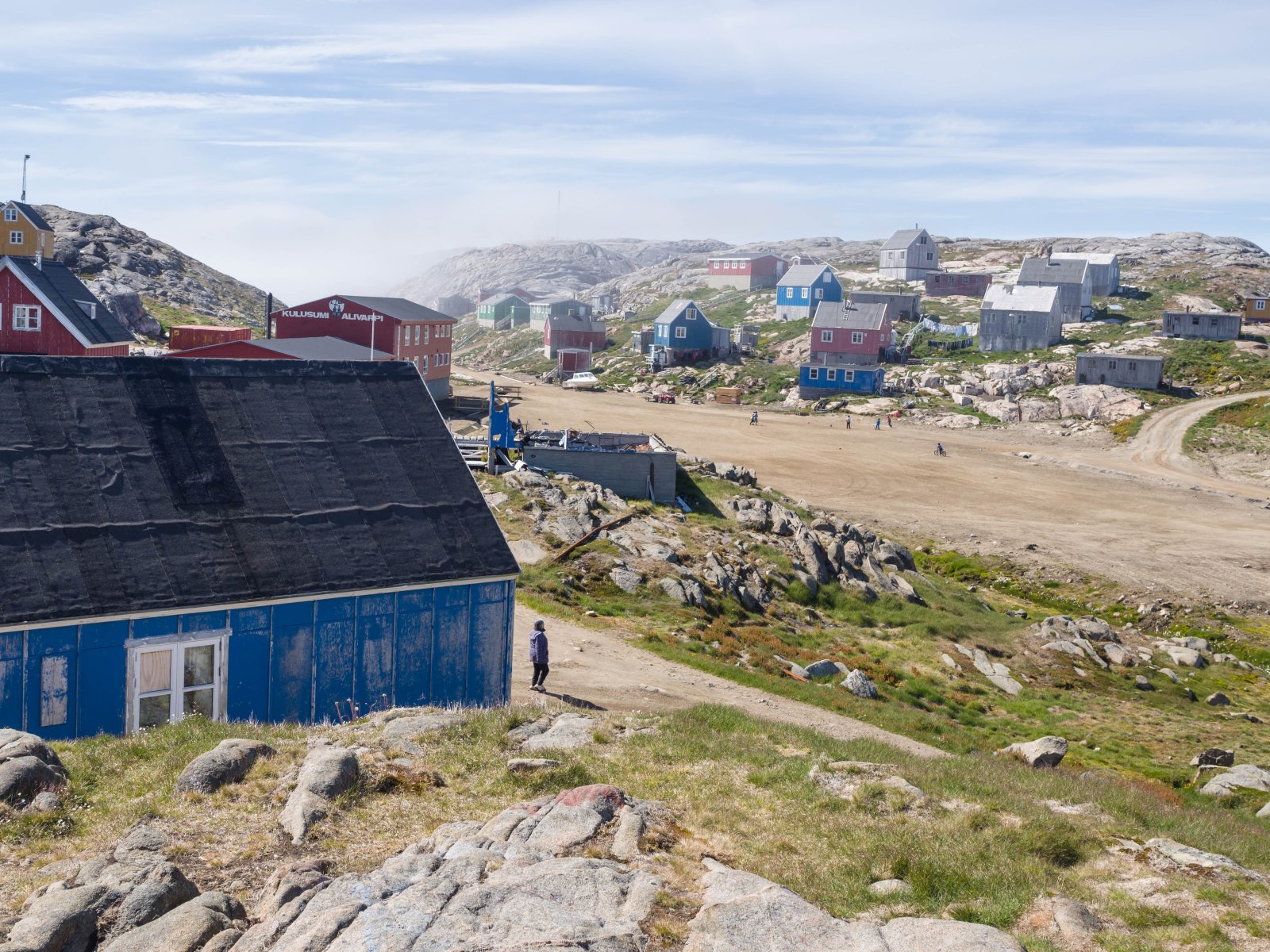
### Art and Architecture The architecture of Kulusuk tells a story of adaptation and resilience. The brightly painted wooden homes reflect the vibrant spirit of the community, with hues of red, blue, and yellow creating a striking contrast against the stark Arctic environment. The buildings are often small and functional, designed to withstand the harsh weather conditions.
Artistic expression thrives in Kulusuk, with local artisans creating works that often draw inspiration from their surroundings. Intricate carvings, handmade clothing, and traditional crafts showcase the artistic heritage of the Inuit. The Kulusuk Art and Culture Festival, held annually, celebrates this creativity, featuring local musicians, dancers, and artists who share their talents with visitors.
### Local Culture and Traditions The culture of Kulusuk is deeply intertwined with its Inuit heritage. Local customs are rich and varied, with traditions passed down through generations. Qajaq (kayak) building and drum dancing are integral parts of the cultural fabric, connecting the present to the past.
Festivals play a crucial role in community life. Events such as the National Day of Greenland on June 21st are celebrated with great enthusiasm, featuring traditional music, dance, and food. These gatherings foster a sense of unity and pride among the residents, reinforcing their cultural identity in a rapidly changing world.
### Gastronomy Kulusuk’s gastronomy is a reflection of its environment. Traditional dishes often feature ingredients sourced from the land and sea. Local favorites include seal, whale, and fish, often prepared in ways that honor traditional methods of cooking. Mattak, or whale skin with blubber, is a delicacy that locals savor, while dried fish is a staple in many households.
Visitors should also try the local berry jams made from crowberries and blueberries, which add a sweet touch to the otherwise savory dishes. The community’s connection to the land is evident in how they celebrate seasonal changes through food.
### Lesser-Known Curiosities One of the unique aspects of Kulusuk is its dialect, Tunumiit oraasiat, which is distinct for its innovative vocabulary and expressions. This linguistic uniqueness is emblematic of the community's identity and reflects their adaptation to contemporary influences while honoring their roots.
Additionally, many tourists are unaware of the St. Nicholas Church, a quaint wooden structure that serves as a focal point for community gatherings and spiritual life. Built in the early 20th century, the church is an architectural landmark that symbolizes the enduring traditions of the Inuit people.
### Practical Visitor Information The best time to visit Kulusuk is during the summer months, from June to August, when the weather is milder and the days are long. This period also aligns with local festivals, offering visitors a chance to immerse themselves in the culture.
Travelers should prepare for the unique Arctic conditions by packing appropriate clothing and gear. While Kulusuk is accessible by air, being open to local transport and customs can enhance the experience. Look for opportunities to engage with the community, whether through guided tours or informal interactions.
A visit to Kulusuk offers a chance to witness a unique blend of cultural heritage and natural beauty. From its stunning landscapes to its rich traditions, this small island settlement is a testament to the resilience and creativity of its people.
To make the most of your trip, consider using the Secret World app to craft a personalized itinerary tailored to explore the hidden gems of Kulusuk.
