
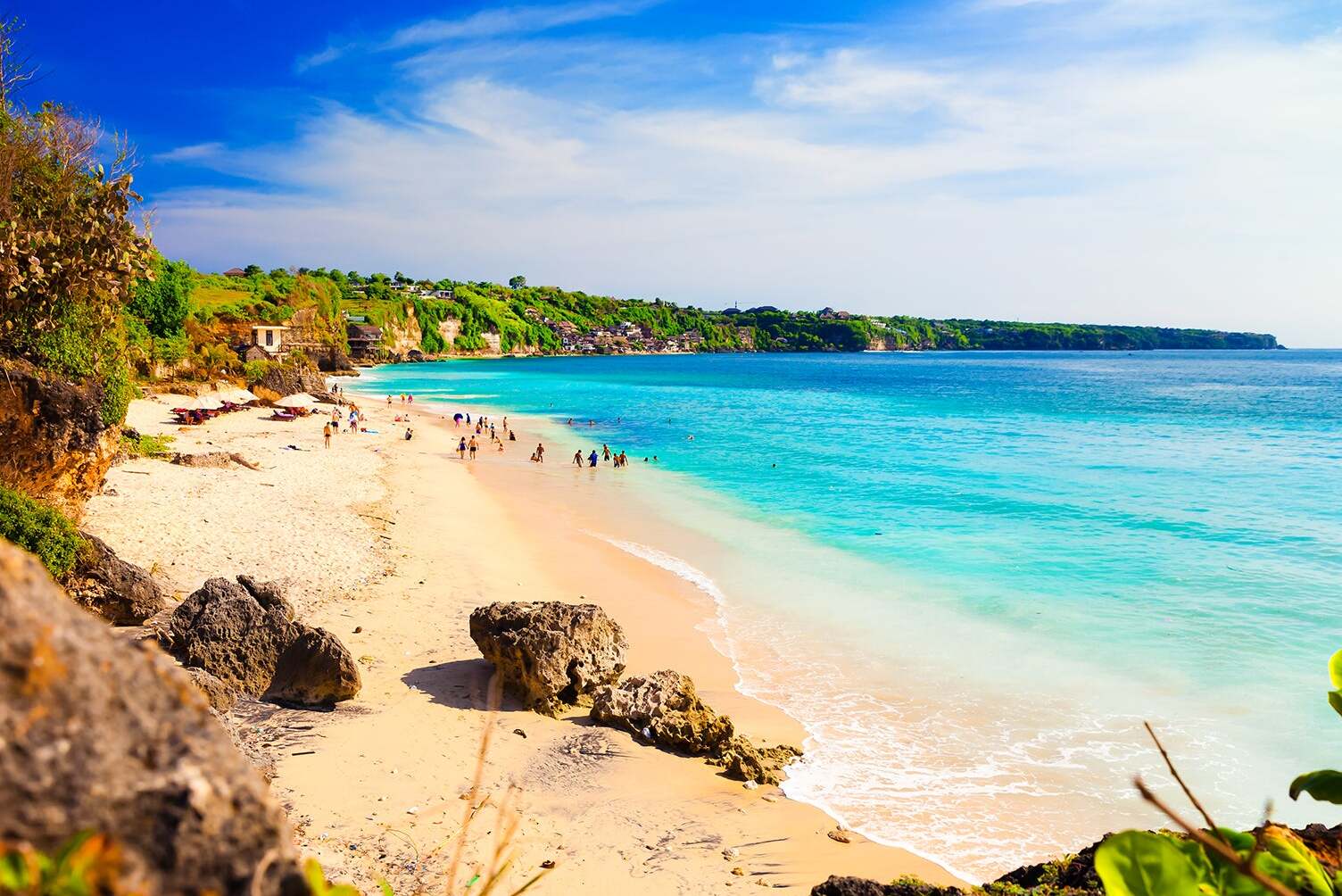

Nestled on the southern coast of Lombok, the small beach town of Kuta is a hidden gem waiting to be discovered. Unlike its bustling Balinese counterpart, Kuta on Lombok encapsulates an authentic charm that reflects what Bali might have been like two decades ago—before mass tourism reshaped its landscape.

History and Origins
The history of Kuta and Lombok is deeply intertwined with the island’s indigenous Sasak people, who have inhabited the region for centuries. Lombok has a rich history marked by the influence of various cultures, notably the Majapahit Empire in the 14th century. As a crucial trading post, the island attracted traders and travelers, leading to a blend of cultural influences that shaped its identity.
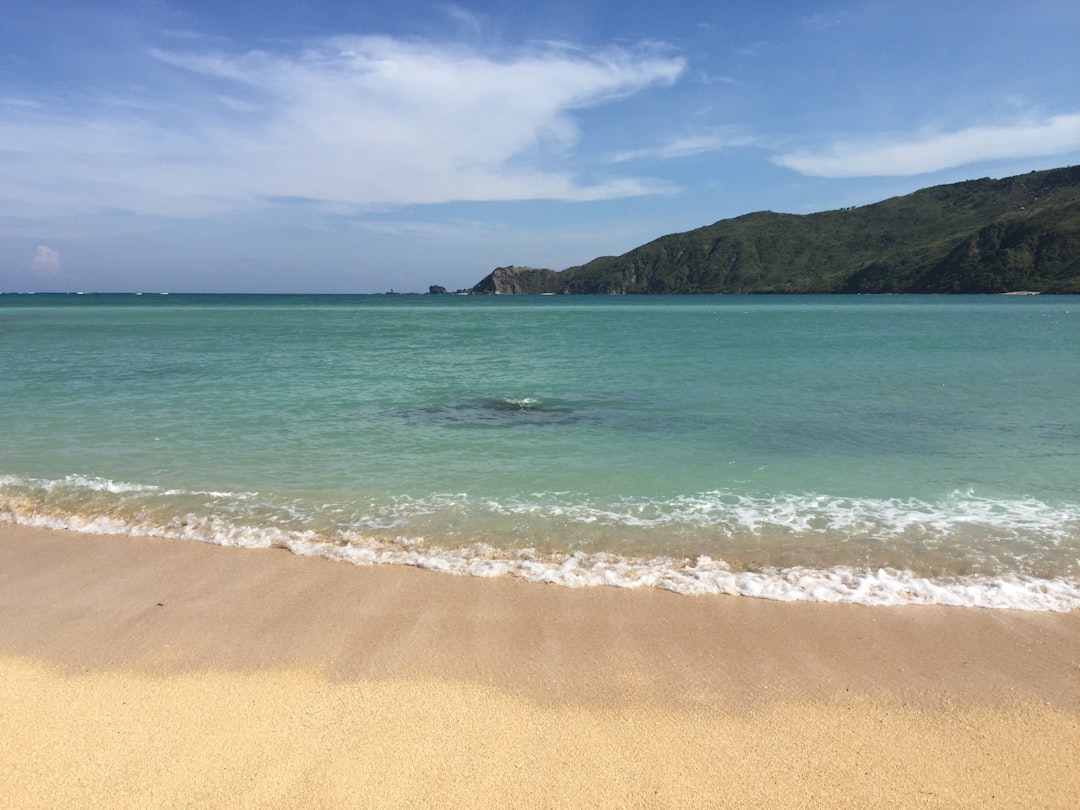
In the late 20th century, Kuta began to gain attention from surfers and backpackers seeking uncrowded beaches and pristine landscapes. The town became a focal point for those wanting to escape the commercialism of Bali, offering a glimpse into a simpler, more tranquil way of life. Today, Kuta remains less developed than Bali, maintaining its rustic charm while gradually welcoming visitors eager to experience its beauty.
Art and Architecture
Kuta's architectural style reflects the local Sasak culture, characterized by traditional Lombok-style houses, known as Bale. These structures often feature thatched roofs and wooden frames, harmonizing with the natural environment. The influence of Islam is also evident, particularly in the mosques scattered throughout the town, which showcase intricate carvings and vibrant tile work.
Artistic expression in Kuta can be seen in local crafts, including woven textiles and intricate wood carvings. The nearby village of Sade is renowned for its traditional Sasak weaving, where artisans create beautiful fabrics using age-old techniques. Visitors can witness these crafts firsthand, gaining an appreciation for the skill and tradition behind them.
Local Culture and Traditions
Cultural life in Kuta is vibrant, with local customs steeped in Sasak traditions. One of the most significant events is the Gendang Belek festival, held annually to celebrate the harvest season. This lively event features traditional music, dance, and colorful parades, drawing both locals and visitors into its joyous atmosphere.
Visitors may also encounter Sasak ceremonies, which are integral to community life. These rituals often involve offerings, prayers, and traditional music, showcasing a deep connection to spirituality and the land. Engaging with locals during these ceremonies offers a profound insight into the cultural fabric of Kuta.
Gastronomy
The culinary landscape of Kuta is a delightful exploration of Sasak flavors, with local dishes that tantalize the taste buds. One must-try dish is Ayam Taliwang, a spicy grilled chicken marinated in a blend of chili, garlic, and lemongrass, often served with plecing kangkung (water spinach) and rice.
Another local specialty is Sate Rembiga, skewered beef marinated in a rich mixture of spices, grilled to perfection over open flames. For a sweet treat, try Kue Cubir, a traditional snack made from rice flour, palm sugar, and coconut, offering a taste of the island's culinary heritage.
Visitors can also savor fresh seafood caught daily from the surrounding waters, often prepared with local spices for a truly authentic experience.
Lesser-Known Curiosities
Kuta is not just about stunning beaches and local culture; it also hides intriguing secrets. One such curiosity is the nearby Tanjung Aan Beach, known for its unique pepper-like sand which is actually composed of tiny, smooth stones. This beach is often overlooked but offers breathtaking views and a quieter atmosphere.
Another hidden gem is the Merese Hill, a picturesque spot where visitors can hike to enjoy panoramic views of Kuta and the surrounding coastline, especially during sunset. It’s a favorite among those seeking solitude and stunning vistas, perfect for photography enthusiasts.
Practical Visitor Information
The best time to visit Kuta is during the dry season, from April to October, when the weather is pleasant and ideal for outdoor activities. While Kuta is gradually developing, it still retains a laid-back vibe, so it’s wise to book accommodations in advance during peak seasons, especially if you prefer staying in hostels or homestays.
When exploring the area, consider renting a scooter to navigate the landscape, providing the freedom to discover hidden beaches and local villages at your own pace. Engaging with the community through local markets and food stalls will enhance your experience and offer a taste of everyday life in Kuta.
With its untouched beauty, rich culture, and welcoming local community, Kuta on Lombok presents an opportunity for travelers to connect with the heart of Indonesia. Embrace the adventure and let the island’s charm unfold as you explore its stunning landscapes and vibrant traditions. For a personalized itinerary that ensures you don’t miss any hidden treasures, consider using the Secret World app to plan your journey.


