
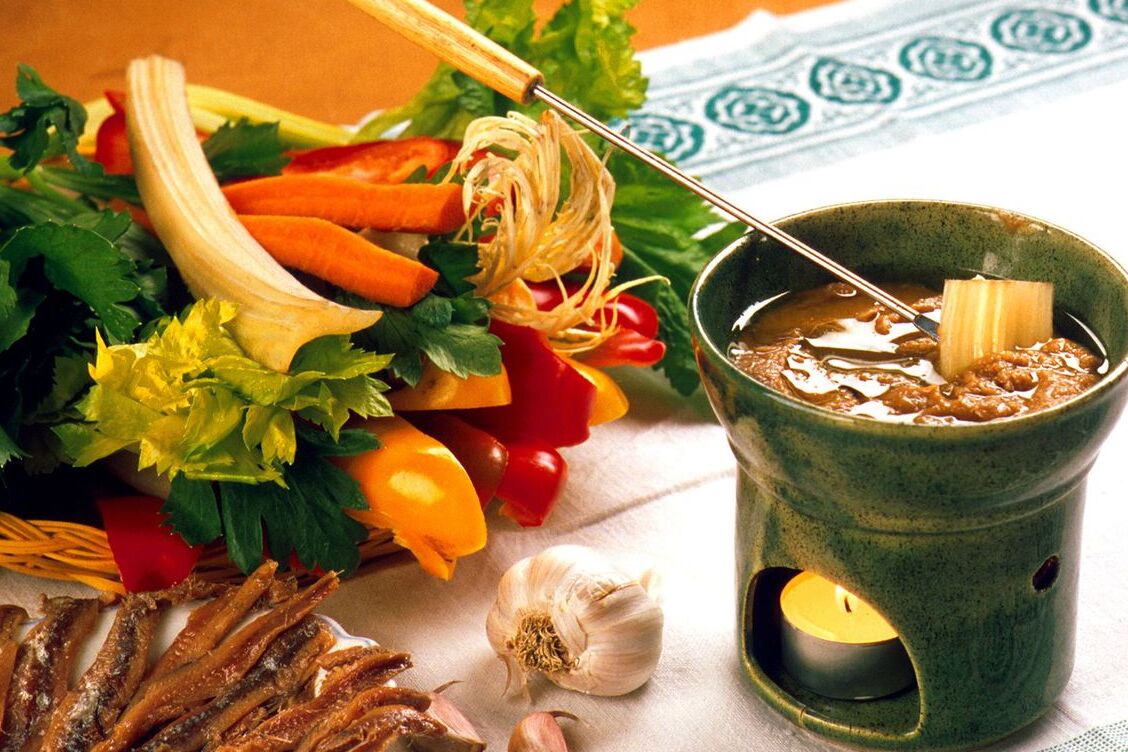

In the heart of Piedmont, Italy, lies a culinary gem that has tantalized taste buds for centuries: Bagna Cauda, a traditional hot sauce that embodies the rustic essence of this enchanting region. With its rich history and vibrant local culture, Bagna Cauda is not merely a dish; it is a celebration of community, tradition, and the bountiful land from which it comes.
The origins of Bagna Cauda can be traced back to the late Middle Ages, around the 14th century. During this time, local vintners sought a unique dish to celebrate the tapping of the new wine, diverging from the refined meals enjoyed by the nobility. They crafted this robust sauce to complement the humble yet flavorful Piedmontese vegetables, using ingredients that were locally sourced: garlic, salted anchovies, extra virgin olive oil, and butter. Interestingly, garlic was not just a flavoring; it was mandated by the Medieval Statutes as a compulsory crop for landowners, highlighting its significance in the region.
As the recipe evolved, it became a convivial dish enjoyed especially during the winter months. The noblewoman Giovanna Battista of Savoy-Nemours, famously known as Madama Reale, even requested a version of the dish at court. However, this royal interpretation strayed from the rustic roots of Bagna Cauda, transforming into an extravagant affair laden with various baroque sauces. This contrast between the peasant origins and royal adaptations underscores the dish's cultural significance and versatility.
Architecturally, the region of Piedmont reflects its rich history through its charming villages and grand castles, such as the Castello di Fenis and Castello di Grinzane Cavour. The Piedmontese landscape, characterized by rolling hills and vineyards, serves as both a backdrop and a source of inspiration for local artists. Notable artworks, like those of Giovanni Battista Crosio, who captured the essence of rural life, often depict scenes of communal dining, emphasizing the importance of meals like Bagna Cauda within Piedmontese culture.
Local customs surrounding Bagna Cauda are deeply ingrained in the fabric of Piedmontese life. Traditionally served in a communal pot, this dish encourages sharing and togetherness. It is often accompanied by a variety of seasonal vegetables such as cardoons, peppers, and cauliflower, which are dipped into the warm, fragrant sauce. The annual Bagna Cauda Day, celebrated in November, draws locals and visitors alike to partake in this culinary tradition, reinforcing community bonds through shared meals.
When it comes to gastronomy, Bagna Cauda is a quintessential representation of Piedmontese cuisine, which is known for its robust flavors and emphasis on quality ingredients. The sauce itself is made by slowly melding garlic and anchovies in a mix of butter and olive oil, resulting in a velvety concoction that is both savory and slightly tangy. Many locals also add a splash of cream to soften the flavor, while some variations include a touch of red wine and vinegar for an added depth of taste. Pairing Bagna Cauda with a glass of Barbera or Nebbiolo wine enhances the experience, as these wines are produced from the very vineyards that dot the landscape.
Beyond its culinary allure, Piedmont is full of lesser-known curiosities that enrich the experience of visitors. One such detail is the tradition of “Festa della Bagna Cauda”, where entire communities come together to enjoy this dish outdoors, celebrating the onset of winter. Additionally, the region is home to a unique dialect called Piemontese, which adds a layer of authenticity to the cultural experience. The local markets are also worth exploring; there, one can find an array of artisanal products, from handmade pastas to locally-produced cheeses, all of which complement the flavors of Bagna Cauda.
For those considering a visit to this charming region, the best time to experience Bagna Cauda is during the fall and winter months, particularly from late October through March. This is when the dish shines at local gatherings and festivals. Travelers should seek out family-run trattorias and agriturismos, where the atmosphere is warm and inviting, and the recipes are often passed down through generations. Engaging with local hosts can lead to unique insights into the preparation of Bagna Cauda, revealing secrets and stories that make the experience all the more enriching.
In conclusion, the rich tapestry of history, culture, and gastronomy surrounding Bagna Cauda makes it much more than just a dish; it is a symbol of Piedmont's identity. As you savor this delightful hot sauce, you partake in a tradition that has been celebrated for centuries, connecting with the land and its people in a deeply meaningful way. For a personalized journey through the heart of Piedmont, consider using the Secret World app to plan your itinerary.


