
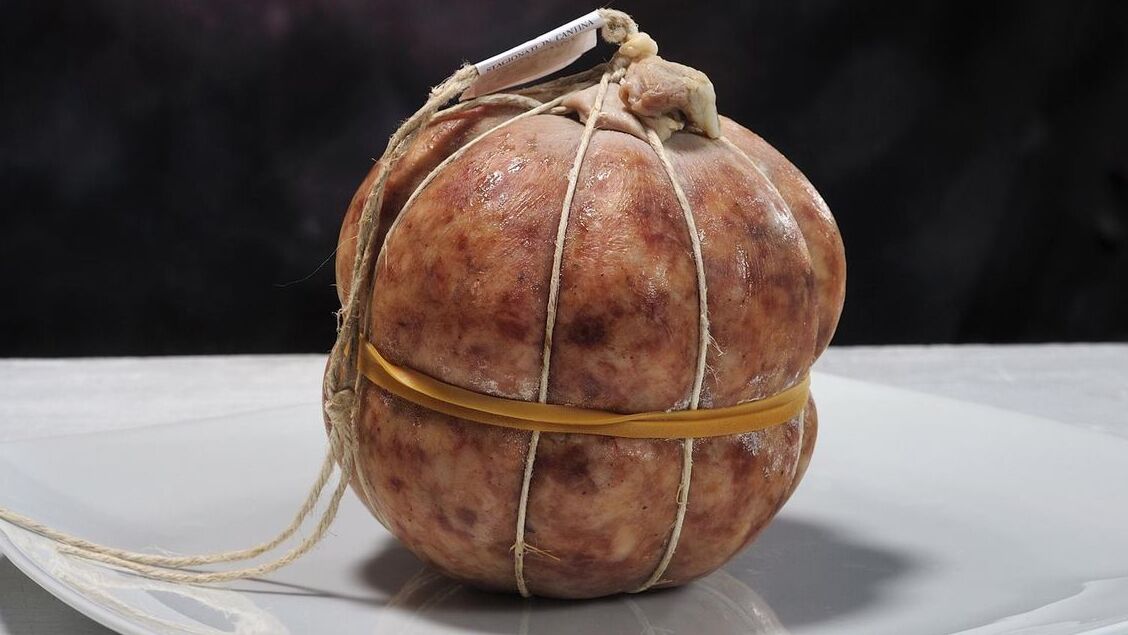

Nestled in the heart of Poggio Renatico, Italy, the bondiola poggese is more than just a delicacy; it is a testament to the region's rich culinary history. This unique cured meat, traditionally stuffed into a pig's bladder, is crafted from capocollo (the neck of the pig) and the beaten rind, primarily sourced from the head and throat. What sets bondiola apart is its cooking method. Instead of being cured like many other Italian meats, bondiola is carefully cooked to perfection. The preparation involves placing the meat in a cloth sack, secured to a small stick, ensuring it does not touch the boiling container. This meticulous process requires no less than four hours of simmering, resulting in a dish that embodies the essence of local culinary traditions.
The origins of bondiola poggese can be traced back to the rural communities of the Emilia-Romagna region. Historically, this dish was a way for farmers to utilize every part of the pig, reflecting the cucina povera philosophy that emphasizes resourcefulness and respect for ingredients. The bondiola, with its roots in the 19th century, has evolved but remains a cherished staple at local feasts and gatherings. Today, it symbolizes the pride of Poggio Renatico’s gastronomy and is a must-try for anyone visiting the area.
Architecturally, Poggio Renatico showcases the typical charm of an Emilia-Romagna village. The landscape is dotted with humble yet beautiful structures, characterized by terracotta roofs and intricate brickwork. One notable site is the Church of San Bartolomeo, a quaint structure that reflects the region’s artistic heritage with its simple yet elegant design. The church serves as a community hub, where local festivals often take place, reinforcing the bond between the people and their cultural identity.
Local customs and traditions in Poggio Renatico are vibrant and deeply intertwined with the community’s agricultural roots. Festivals throughout the year celebrate the region's agricultural bounty, where the bondiola often takes center stage. One of the most beloved events is the Sagra della Bondiola, held annually in the autumn. This festival not only showcases the culinary prowess of local chefs but also includes music, dance, and other traditional entertainment, attracting visitors from near and far.
Gastronomy in Poggio Renatico extends beyond bondiola. The region is renowned for its rich culinary landscape, featuring dishes such as tortellini, lasagna, and local cheeses like Parmigiano Reggiano. Traditional wines, particularly Sangiovese and Lambrusco, complement these meals beautifully, offering a taste of the terroir that defines Emilia-Romagna. Each meal tells a story, connecting the diner to the land and the generations of families who have nurtured it.
Curiously, bondiola poggese has not only found a place on the plates of locals but has also gained the attention of culinary enthusiasts worldwide. Despite its popularity, many visitors to Poggio Renatico overlook the Sagra della Bondiola, often unaware of the unique flavors and experiences waiting for them. Moreover, the bondiola is traditionally enjoyed with mashed potatoes, a pairing that enhances its savory richness, yet this detail often escapes the radar of first-time visitors.
When planning a visit to Poggio Renatico, the best time is during the late summer to early autumn, particularly around the time of the Sagra della Bondiola. The weather during these months is pleasant, ideal for exploring the quaint streets and engaging with locals. A tip for visitors is to explore beyond the main square; hidden gems such as family-run trattorias offer authentic experiences and dishes that are not always found in travel guides.
In conclusion, the bondiola poggese is not just a dish; it is a cultural artifact that embodies the spirit of Poggio Renatico. Its rich history, unique preparation method, and deep-rooted significance in local traditions make it a culinary highlight of the region. To truly appreciate this and more, consider using the Secret World app to craft a personalized itinerary that reveals the hidden treasures of Poggio Renatico.


