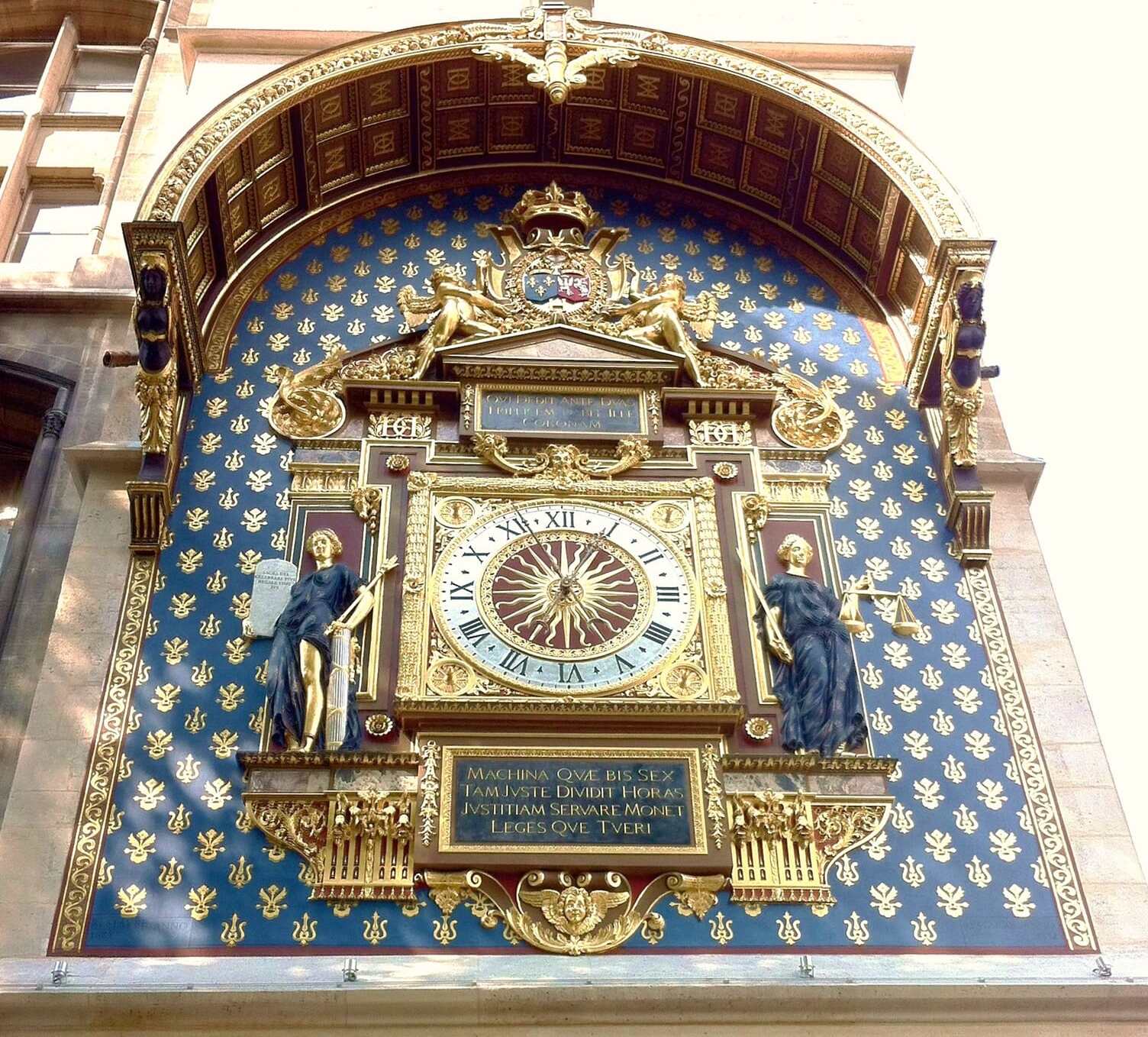

La Conciergerie, nestled on the banks of the Seine River, is a remarkable fusion of history, art, and architecture. It stands not only as the oldest public clock in Paris but also as a striking reminder of the city's royal past and revolutionary fervor. This Gothic palace, which once served as the royal residence before becoming a notorious law court and prison, boasts stories that echo through the centuries.
### History and Origins The origins of La Conciergerie trace back to the 10th century when it was established as a royal palace. Originally part of the larger Palais de la Cité, it served as the residence for the Capetian kings. However, by the 14th century, it transitioned into a law court and prison. Among its most infamous prisoners was Marie-Antoinette, who was held here before her execution during the French Revolution in 1793. The clock, commissioned in 1371, marked the passage of time through the tumultuous events that unfolded within its walls.
In 1586, significant renovations were made to the clock, introducing the allegorical sculptures of Justice and Law that adorn its sides. These figures symbolize the duality of justice served and the often merciless nature of the law during tumultuous times. The clock face has undergone numerous restorations, the most recent in 2012, ensuring that this historical timepiece remains a focal point of the Parisian skyline.
### Art and Architecture La Conciergerie is a stunning example of Gothic architecture. Its intricate details and soaring arches reflect the grandeur of medieval design. The clock itself is a masterpiece, featuring a face set against a vibrant blue background adorned with fleur-de-lis, symbols of French royalty. The 24-carat gold gilding adds to its magnificent appearance, making it not just a functional timepiece but a work of art.
As you approach the building, the imposing façade, with its pointed arches and delicate stone carvings, evokes a sense of history and reverence. Visitors can admire the mix of architectural styles that have evolved over centuries, showcasing the transformation from royal residence to a center of justice.
### Local Culture and Traditions The Conciergerie is not just a historical monument; it is also a vibrant part of Parisian culture. The surrounding area is steeped in traditions, with local markets and events that celebrate the city's rich history. The Fête de la Musique, held every June, often spills into the streets nearby, filling the air with music and laughter as locals and tourists alike celebrate the arrival of summer.
Additionally, the local custom of enjoying a leisurely coffee or a glass of wine on the banks of the Seine has roots in the cultural fabric of the area. This tradition invites visitors to reflect on the history surrounding them, creating a connection to the past as they enjoy the present.
### Gastronomy While visiting La Conciergerie, indulging in local culinary delights is a must. The area is renowned for its traditional French cuisine, with bistros and cafés serving classic dishes like coq au vin and ratatouille. Don't miss trying a tarte Tatin, a caramelized upside-down apple tart that is a local favorite.
Pair your meal with a glass of Côtes du Rhône wine, which perfectly complements the hearty flavors of the region. For a sweet treat, a visit to a nearby pâtisserie for freshly baked croissants or éclairs will complete your gastronomic experience.
### Lesser-Known Curiosities Despite its prominence, there are hidden details about La Conciergerie that many tourists might miss. For instance, the clock's mechanism is a marvel of engineering, with its intricate gears and weights working tirelessly through the centuries. Additionally, the prison cells once used during the Revolution can still be seen, providing a chilling reminder of the past.
One lesser-known fact is that the clock was originally used to announce the hours to the people of Paris, serving as a communal timekeeper. This practice underscores the significance of time in the daily lives of the city's residents, especially before the advent of personal timekeeping devices.
### Practical Visitor Information The best time to visit La Conciergerie is during the spring and fall months when the weather is mild, and the crowds are smaller. Arriving early in the day allows you to experience the site before it becomes bustling with tourists.
Take the time to explore the interior, where you can view the grand halls that once hosted royal banquets and the somber cells that held infamous prisoners. Don’t forget your camera; the views from the nearby bridges offer stunning angles of the clock against the backdrop of the Seine.
For those planning a visit, consider purchasing a combined ticket that includes entry to the Sainte-Chapelle, another gem located nearby, known for its breathtaking stained glass windows.
In a city rich with history and culture, La Conciergerie stands out as a testament to Paris's storied past. To delve deeper into what this magnificent city has to offer, consider using the Secret World app to craft a personalized AI itinerary.
