



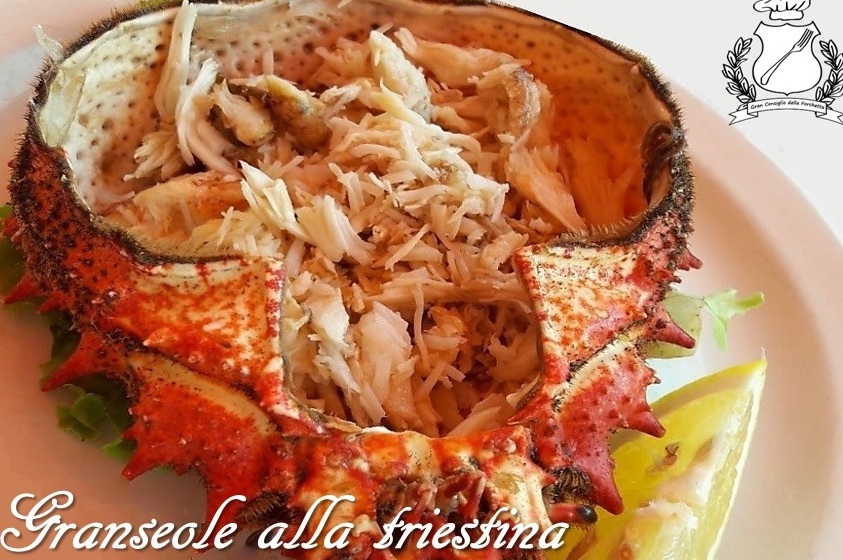
Trieste, a city that sits at the crossroads of Latin, Slavic, and Germanic cultures, offers a rich tapestry of history, art, and gastronomy that beckons travelers to explore its many layers. Nestled along the Adriatic coast, Trieste is not only a gateway to the Balkans but also a melting pot of traditions and flavors, epitomized by its signature dish, La Granzievola alla Triestina. This sumptuous preparation of crab meat, seasoned with olive oil, lemon juice, salt, pepper, and parsley, served in its own shell, is a culinary ode to the city's maritime heritage.
The history of Trieste is as complex as its geography. Founded by the Romans in the 2nd century BC, it became a thriving port during the reign of Emperor Augustus. Throughout the centuries, its strategic location attracted a succession of rulers, from the Byzantines to the Habsburgs. Each left an indelible mark on the city's cultural and architectural landscape. The 19th century was a golden era for Trieste when it blossomed under the Austro-Hungarian Empire as a major seaport and commercial hub. This era of prosperity is still evident today in the grand neoclassical buildings and elegant cafes lining the Piazza Unità d'Italia, one of Europe's largest seaside squares.
Trieste's art and architecture are a testament to its cosmopolitan past. The city boasts an eclectic mix of architectural styles, from Roman ruins to the grandeur of the Miramare Castle, with its lush gardens designed by Archduke Ferdinand Maximilian. The San Giusto Cathedral, with its mosaic-rich interiors, reflects the Byzantine influence. Art lovers will find the Revoltella Museum a treasure trove of modern art, housing works by renowned Italian artists such as Giorgio Morandi and Arturo Martini.
Cultural traditions in Trieste are as diverse as its history. The city celebrates a myriad of festivals that showcase its rich cultural tapestry. Barcolana, held every October, is one of the world's largest sailing regattas, attracting thousands of boats to the Gulf of Trieste. San Nicolò, the city's patron saint, is celebrated in December with festive markets and parades, reflecting the city's deep-rooted Catholic traditions. Local customs are a blend of Italian warmth with a dash of Mitteleuropean formality, offering a unique cultural experience.
Gastronomy in Trieste is a delightful fusion of flavors, influenced by its proximity to the sea and its multicultural heritage. Beyond the exquisite Granzievola, visitors can savor Jota, a hearty soup of beans, sauerkraut, and pork, or indulge in Pasqualina, a savory pie filled with ricotta and spinach. The city's coffee culture is legendary, with historic cafes like Caffè San Marco offering a taste of tradition along with a rich brew. Pair these with local wines from the nearby Carso region, known for its unique terrano reds and vitovska whites.
For those seeking lesser-known curiosities, Trieste offers a treasure trove of surprises. The Opicina Tram, a historic funicular railway, provides breathtaking views of the city and the Adriatic Sea as it climbs into the hills. Literature enthusiasts will be thrilled to trace the footsteps of James Joyce, who lived here in the early 20th century and found inspiration in its vibrant streets. The Risiera di San Sabba, a former Nazi concentration camp, serves as a poignant reminder of the city's turbulent wartime history, now a museum dedicated to peace and memory.
Practical information for visitors is essential for making the most of a trip to Trieste. The best time to visit is from late spring to early autumn, when the weather is pleasant and the city's festivals are in full swing. Travelers should explore the winding streets of the Old Town, with its hidden courtyards and lively piazzas. It's advisable to bring comfortable walking shoes, as many of the city's attractions are best explored on foot. For a touch of adventure, consider a day trip to the Trieste Karst, a stunning limestone plateau dotted with caves and hiking trails, offering a natural escape just outside the city.
Trieste is a city where history, culture, and gastronomy intertwine seamlessly, offering a rich experience for those willing to delve beyond its surface. Whether savoring the delicate flavors of La Granzievola alla Triestina or walking through its storied streets, Trieste promises an unforgettable journey through time and taste.
