
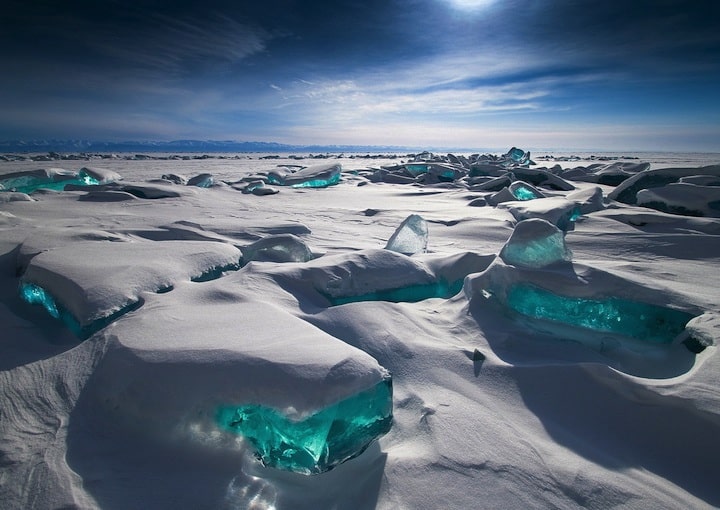

Lake Baikal, an ancient and mesmerizing natural wonder located in Siberia, Russia, captivates with its surreal beauty and scientific significance. Often referred to as the "Galápagos of Russia," it is the world's oldest and deepest freshwater lake, formed approximately 25 million years ago. The lake holds about 20% of the world's unfrozen freshwater supply, a staggering figure that underscores its ecological importance. Throughout history, Lake Baikal has been a vital resource for the indigenous Buryat people, who have lived along its shores for centuries, weaving a rich tapestry of myths and legends around its mysterious depths.
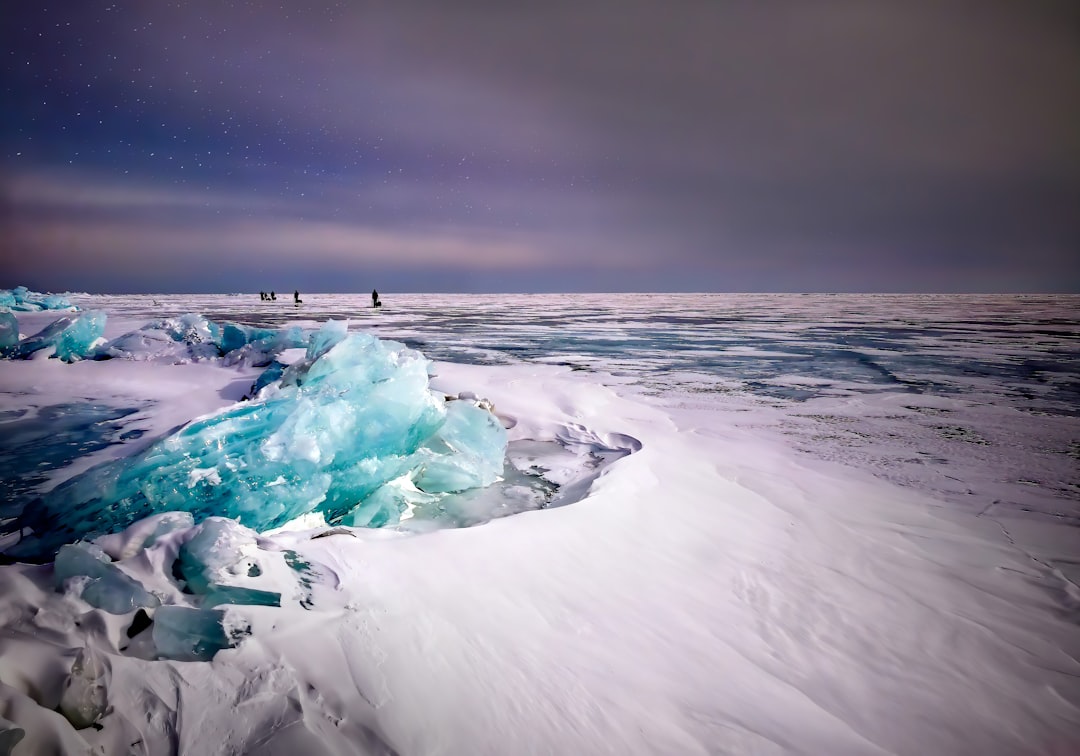
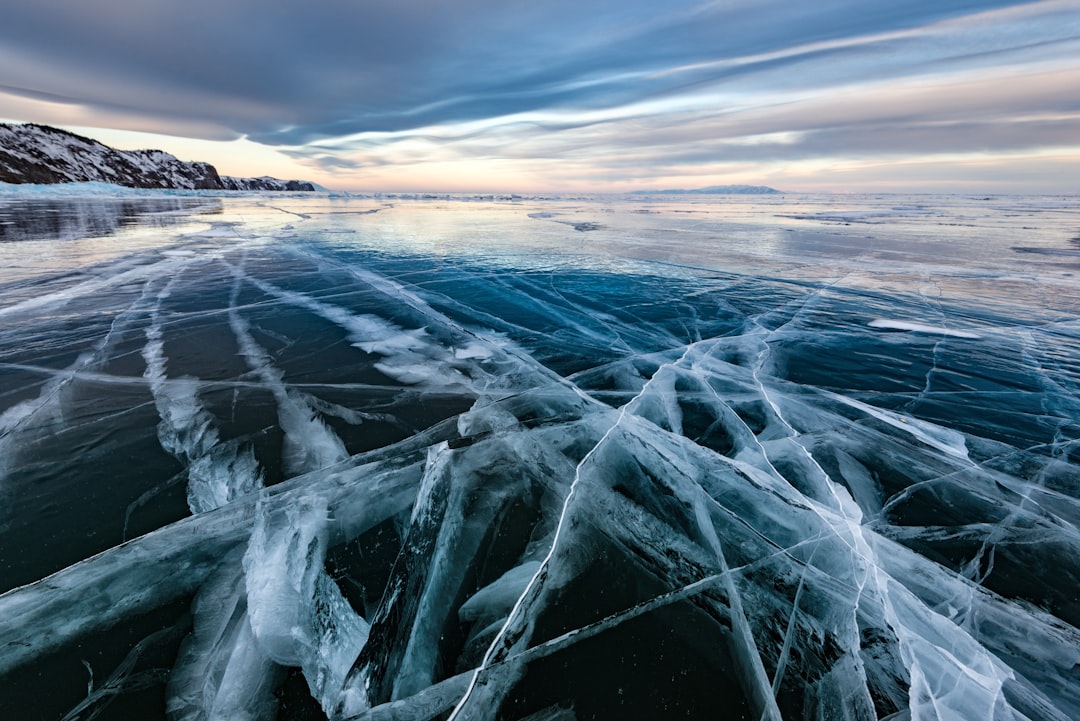
In the realm of art and architecture, Lake Baikal's influence is less about man-made structures and more about the natural artistry it inspires. The lake's most striking artistic offering is its undefinable blue ice, which forms in winter when the lake freezes over. This phenomenon occurs because the water is extremely clear and free of impurities, allowing sunlight to penetrate deeply and refract in various hues of blue. The ice is often sculpted by wind and temperature changes into bizarre, otherworldly shapes that have inspired countless photographers and artists.
Culturally, Lake Baikal is a repository of local traditions and customs deeply intertwined with the natural world. The Buryat people, who are of Mongolic origin, practice a blend of shamanism and Tibetan Buddhism. They hold the lake in reverence, believing it to be a sacred body with a spirit of its own. Festivals like the "Baikal Ice Marathon," which takes place in March, celebrate the lake's icy beauty and attract adventurers from around the globe. Participants race across the frozen surface, a testament to both human endurance and the lake's formidable conditions.
Gastronomy around Lake Baikal is as unique as its landscapes. The local cuisine is heavily influenced by the lake's abundant resources. Omul, a type of fish endemic to Baikal, is a staple in the diet of the local communities. It is often smoked or prepared in a traditional soup called ukha. Another delicacy is buuz, a type of steamed dumpling filled with meat, reflecting the Mongolic roots of the Buryat people. Visitors can sample these dishes in the small, rustic villages that dot the lakeshore, offering a taste of the region's culinary traditions.
Among the lake's lesser-known curiosities is its remarkable biodiversity. Lake Baikal is home to over 3,600 species of plants and animals, two-thirds of which are found nowhere else on Earth. The Baikal seal, or nerpa, is the only freshwater seal species in the world and a symbol of the lake's unique ecosystem. Moreover, beneath the lake's surface lies a network of hydrothermal vents, a recent discovery that has intrigued scientists and may provide insights into the origins of life on Earth.
For those planning a visit, timing is crucial. The best time to experience Lake Baikal's icy spectacle is from February to March when the lake is fully frozen and the ice is at its most brilliant blue. Travelers should dress warmly and be prepared for harsh Siberian weather, with temperatures often plunging well below freezing. To fully appreciate the lake's natural wonders, consider joining a guided tour, which can provide insights into the ecological and cultural significance of the region. Don't miss the opportunity to explore Olkhon Island, the largest island in Baikal, known for its dramatic cliffs and spiritual significance to the Buryat people.
As you stand on the shores of Lake Baikal, gazing at its enigmatic blue ice, you'll find yourself part of a narrative that extends back millions of years. This is not just a journey through space, but through time, offering a profound connection to one of the planet's most ancient and awe-inspiring places.


