


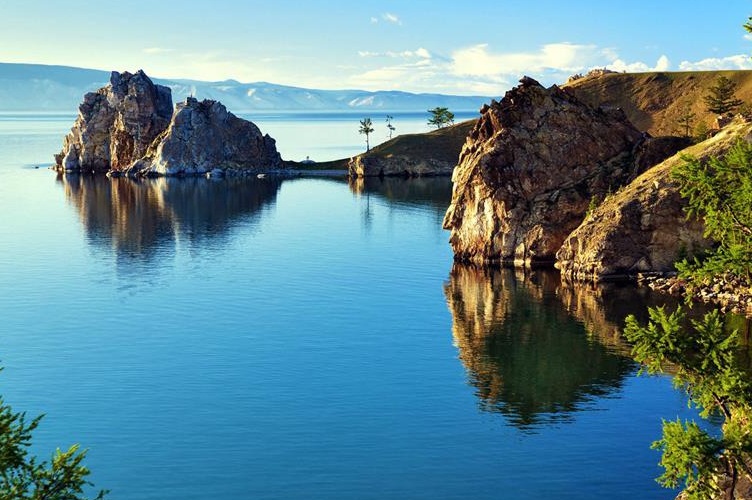
Nestled in the heart of Siberia, Lake Baikal is a breathtaking natural wonder that captivates the imagination of all who encounter its crystalline depths. As the world's oldest and deepest lake, estimated to be around 25 million years old, Baikal's allure extends far beyond its picturesque landscape and pristine waters. Holding approximately 20% of the world's freshwater, this UNESCO World Heritage site offers a unique glimpse into Earth's evolutionary history.

The origins of Lake Baikal date back to the Pleistocene Epoch, when the lake was formed by tectonic rifting, a geological process still at work today. Throughout history, various indigenous groups have inhabited its shores, including the Buryats, a Mongolic ethnic group known for their rich cultural heritage. The lake has played a pivotal role in their traditions, serving as a source of sustenance, spirituality, and a connection to their ancestors. Notably, the Trans-Siberian Railway, completed in 1904, brought increased visibility and accessibility to Baikal, transforming it into a popular destination for travelers seeking adventure and natural beauty.
Architecturally, the region surrounding Baikal reflects a blend of traditional and modern styles. The Taltsy Museum, an open-air museum located near the lake, showcases the traditional wooden architecture of Siberian homes, churches, and fortifications. Visitors can stroll through meticulously preserved structures that date back to the 17th century, offering insight into the lives of the people who once inhabited this rugged landscape. Additionally, the Baikal Museum in Listvyanka features contemporary design elements and exhibits that highlight the lake's unique biodiversity, making it a vital resource for understanding Baikal's ecological importance.

The local culture is rich with customs and traditions that have been passed down through generations. An essential part of Buryat culture is the Nadam, a traditional festival that celebrates the arrival of summer. Held every July, the festival features horse racing, wrestling, and archery, along with traditional music and dance. This event not only showcases the region's vibrant heritage but also fosters a sense of community among locals and visitors alike. Moreover, the Buryat people hold a deep spiritual connection to Baikal, often referring to it as the "sacred sea," which underscores its cultural significance.
Gastronomically, Baikal is a treasure trove of flavors influenced by its diverse ecosystems. One must-try dish is omul, a fish endemic to the lake, often smoked or grilled and served with local herbs. The Buryat version, known as buuzy, features minced omul wrapped in dough and steamed, a dish that reflects the region's culinary traditions. Additionally, the local beverage kvas, a fermented drink made from rye bread, is a refreshing accompaniment to any meal, especially during the warm summer months. For those with a sweet tooth, the traditional Baikal honey is a delightful treat, known for its unique flavor derived from the diverse flora surrounding the lake.
While many visitors flock to the popular spots along the shores of Baikal, there are lesser-known curiosities that add depth to the experience. One such curiosity is the phenomenon of Baikal ice, which forms in intricate patterns during the winter months, creating a stunning natural display that attracts photographers and adventurers. Additionally, the lake's unique biodiversity includes the nerpa, the only freshwater seal in the world, which can be spotted sunbathing on the ice or swimming in the depths—an enchanting sight for nature enthusiasts.
For those planning a visit, the best time to explore Lake Baikal is during the summer months, from June to August, when the weather is mild and ideal for outdoor activities such as hiking, kayaking, and wildlife watching. However, winter offers its own magic, with opportunities for ice skating, snowshoeing, and witnessing the breathtaking frozen landscapes. Be sure to pack layers, as temperatures can fluctuate dramatically. It’s also advisable to learn a few phrases in Russian, as English is not widely spoken in the more remote areas.
In summary, Lake Baikal is not just a geographical marvel but a living testament to the intricate relationship between nature, culture, and tradition. The interplay of its ancient waters and the rich heritage of the surrounding communities creates an experience that is both enriching and unforgettable. Whether you're exploring its depths, savoring local delicacies, or immersing yourself in the vibrant traditions of the Buryat people, Lake Baikal is a destination that promises to leave a lasting impression.
For a tailored experience to explore the wonders of Baikal, consider using the Secret World app to plan your personalized itinerary.
