



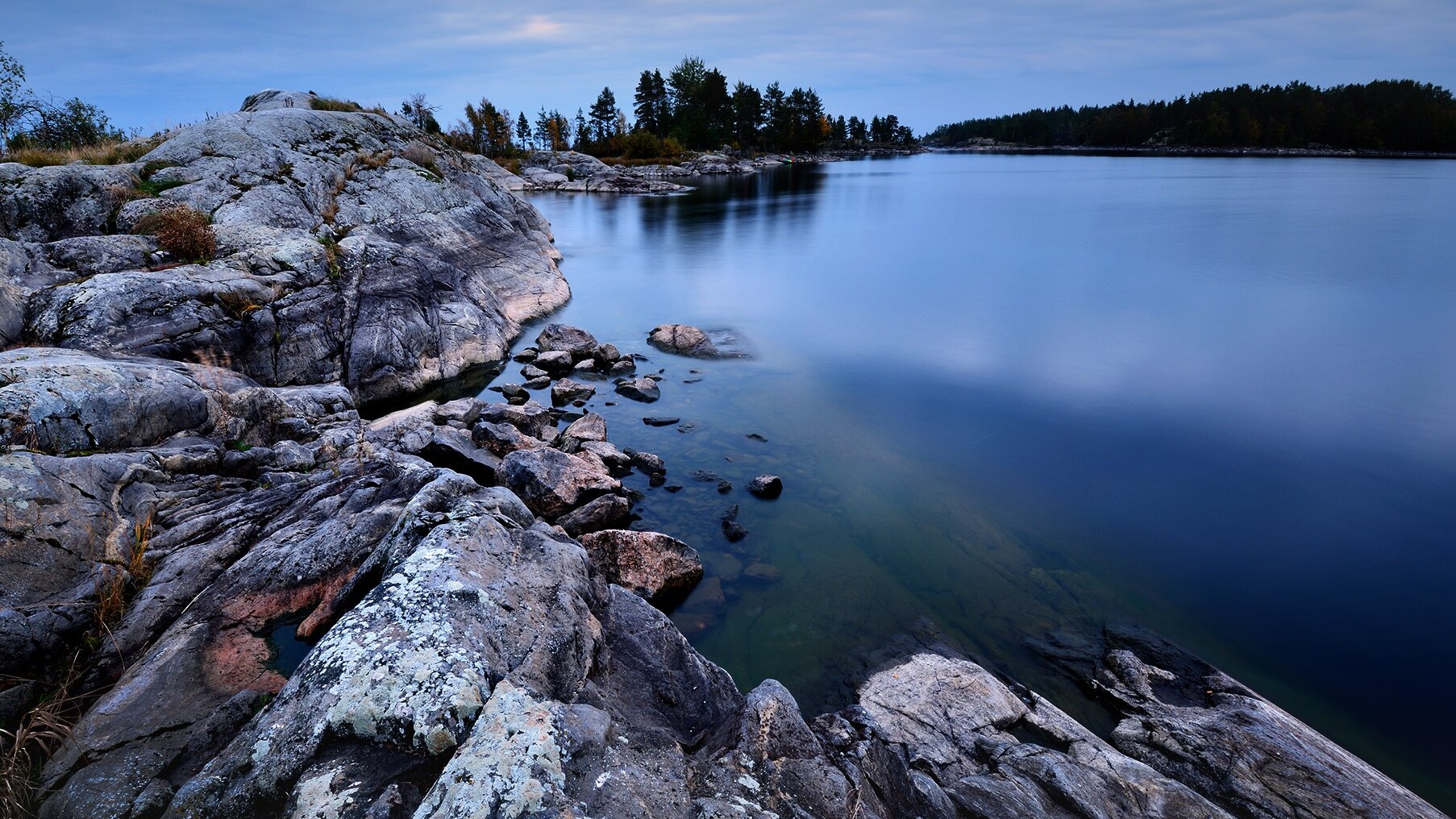
Nestled in the heart of northwestern Russia, Lake Ladoga stands as a majestic testament to nature’s grandeur, being the largest lake entirely in Europe and the 14th largest freshwater lake globally. With its vast expanse and rich history, this enchanting lake has captivated visitors for centuries, inviting them to explore its depths and the culture that flourishes along its shores.
History and Origins
The origins of Lake Ladoga date back over 13,000 years to the last Ice Age, when glacial meltwater formed this vast body of water. Historically, it has served as a crucial waterway for trade and communication. The Viking Age saw the lake become part of the trade route known as the "Viking Route to the Greeks," connecting the Baltic Sea to the Byzantine Empire. The Novgorod Republic and later the Russian Empire recognized its strategic importance, leading to settlements along its banks.
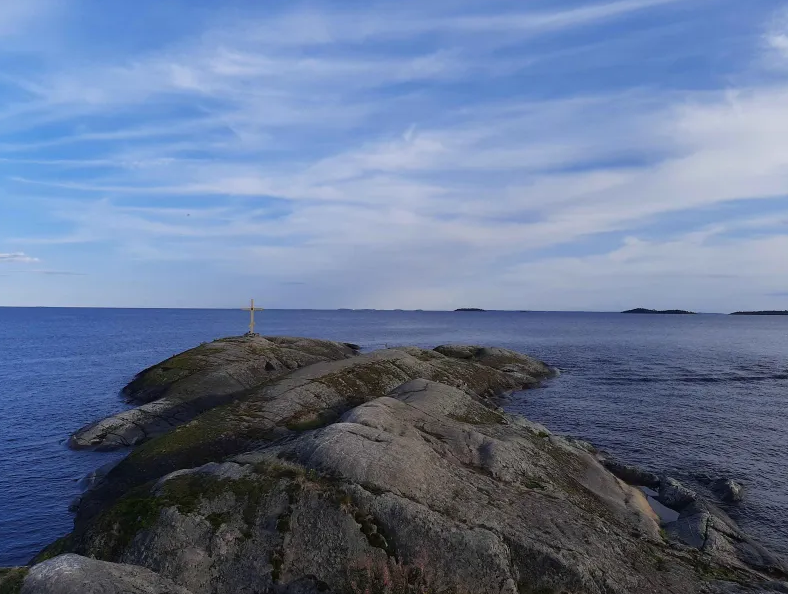
During the Great Patriotic War (1941-1945), Lake Ladoga was a vital lifeline for besieged Leningrad (now Saint Petersburg), facilitating the transport of food and military supplies. The so-called "Road of Life" allowed for the evacuation of civilians and troops, making it a site of immense historical significance filled with stories of resilience and survival.
Art and Architecture
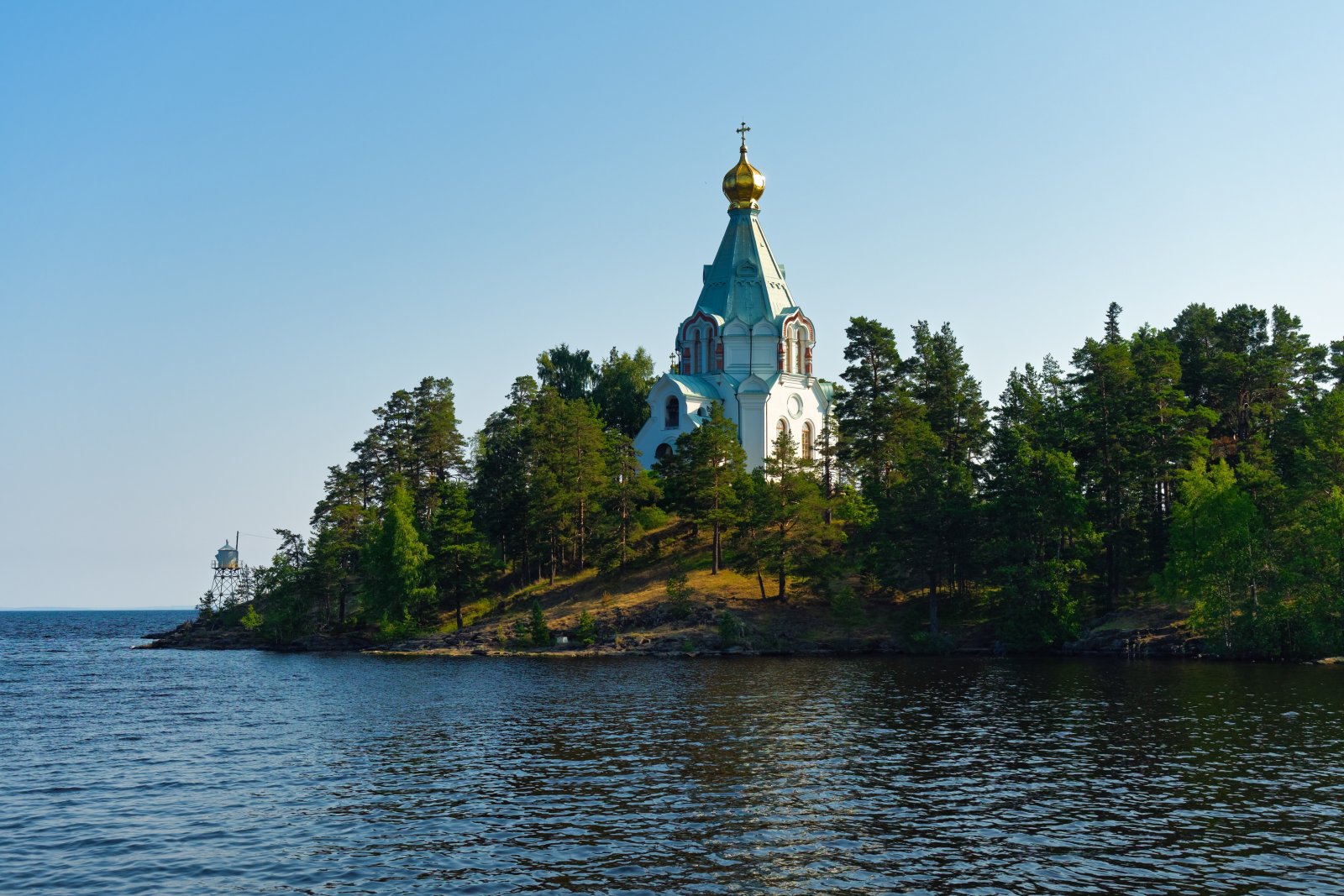
The shores and islands of Lake Ladoga have inspired generations of artists and architects, most notably the Valaam Monastery, situated on the Valaam Archipelago. Founded in the 14th century, this architectural gem showcases a blend of Russian Orthodox and Byzantine styles, with stunning frescoes and intricate woodwork that reflect the spiritual significance of the site. Visitors can marvel at the Transfiguration Cathedral, adorned with vibrant icons and a serene atmosphere that invites contemplation.
Moreover, the lake's picturesque landscapes have inspired numerous painters, particularly during the 19th century, when the Russian Realist movement emerged. Artists like Isaac Levitan captured the lake's ethereal beauty, illustrating the interplay of light and water in their works.
Local Culture and Traditions
The culture around Lake Ladoga is rich and varied, with local customs deeply rooted in the traditions of the Karelians and Russian Orthodox practices. Festivals such as the Valaam Festival of the Transfiguration celebrate the spiritual heritage of the area, attracting pilgrims and tourists alike. The festival features traditional music, dance, and culinary delights, offering a glimpse into the vibrant local culture.
Traditional crafts, including wood carving and woven textiles, are still practiced by local artisans. Visitors can find beautifully crafted souvenirs that reflect the artistry and heritage of the region. The lake itself is celebrated in folklore, with tales of mermaids and spirits that enrich the local narrative.
Gastronomy
The gastronomy of the Lake Ladoga region is a delightful exploration of flavors, heavily influenced by its natural resources. Fish dishes, particularly smoked salmon and whitefish, are local delicacies that highlight the lake's bounty. Karelian pasties, or karjalanpiirakka, are a staple, featuring a rye crust filled with rice or barley, often served with creamy butter and egg.
For a sweet treat, try Karelia pies or pavlova, a meringue dessert that has become popular in the area. Pair your meals with a glass of Kvass, a traditional fermented beverage made from rye bread, or a shot of vodka, which is often enjoyed during celebratory toasts.
Lesser-known Curiosities
Lake Ladoga is not just about stunning views; it holds hidden treasures and secrets waiting to be uncovered. One lesser-known fact is that the lake is home to 660 islands, many of which are uninhabited and offer pristine natural landscapes perfect for exploration. Among these is Konevets Island, known for its Konevets Monastery, established in the 17th century, which remains a site of pilgrimage and spiritual reflection.
The lake also has its own unique microclimate, which contributes to the biodiversity of the surrounding areas. Birdwatchers can spot rare species during migration seasons, while the rich flora and fauna make it a paradise for nature enthusiasts.
Practical Visitor Information
The best time to visit Lake Ladoga is during the summer months (June to August) when the weather is mild and the natural beauty is in full bloom. Outdoor activities such as hiking, kayaking, and fishing can be enjoyed during this period. For a quieter experience, consider visiting in early autumn when the foliage transforms into a palette of vibrant colors.
When planning your trip, it’s best to base yourself in Priozersk or Sortavala, charming towns that offer access to the lake and its islands. Be sure to sample local cuisine, engage with the friendly residents, and immerse yourself in the serene beauty of the area.
As you prepare to explore this enchanting destination, consider using the Secret World app to craft a personalized itinerary that showcases the best of Lake Ladoga.
