



Lake Manyara National Park is a shimmering gem nestled on the edge of Tanzania's Great Rift Valley, a place where nature and history dance together in stunning harmony. As you step into this enchanting sanctuary, you're greeted by the vibrant hues of thousands of pink flamingoes that gather along the brackish waters of Lake Manyara, creating a mesmerizing spectacle that seems almost otherworldly.
The history of Lake Manyara National Park is as rich as its varied ecosystems. Established in 1960, the park's origins are deeply intertwined with the region's ancient past. The Maasai people, known for their vivid red shukas and intricate beadwork, have lived here for centuries, coexisting with wildlife and nurturing a profound connection with the land. The name "Manyara" is derived from the Maasai word "emanyara," referring to a plant used to make living fences around their homesteads, symbolizing protection and sustainability.
Architecturally, the park is a natural masterpiece rather than a man-made one, with its landscapes serving as an art gallery sculpted by geological forces. The park's most iconic feature is the Great Rift Valley escarpment, which forms a dramatic backdrop to the lush vegetation below. This natural architecture is complemented by the ethereal beauty of the groundwater forests, where ancient mahogany and fig trees stand like sentinels, their roots twisting and turning in intricate patterns that echo the artistry of Mother Nature herself.

The cultural tapestry of Lake Manyara is as vibrant as its wildlife. The local Maasai communities celebrate traditions that have been passed down through generations. Visitors might be lucky to witness a traditional Maasai dance, where rhythmic chants and jumping contests are not just performances but expressions of cultural identity and community spirit. Festivals such as the Great Migration, though not directly in Manyara, influence the Maasai lifestyle, as they celebrate the abundance of wildlife that traverses their lands.
Culinary exploration in the area offers a taste of authentic Tanzanian flavors. Dishes are often simple yet flavorful, showcasing local ingredients like maize, beans, and nyama choma (grilled meat). A popular treat is ugali, a stiff porridge made from maize flour, often served with sukuma wiki (collard greens) or flavorful stews. The beverage of choice might be a refreshing cup of chai, infused with locally grown spices, or for those adventurous souls, a sip of traditional Maasai blood and milk concoction, a dietary staple that reflects their pastoral lifestyle.
Beyond the well-trodden paths, Lake Manyara holds secrets waiting to be uncovered. One lesser-known fact is the park's population of tree-climbing lions, a rare behavior observed in only a few places in the world. These majestic creatures can be spotted lounging in acacia trees, a curious habit thought to protect them from the heat and biting insects. Additionally, the park is a prime location for birdwatching, with over 400 species recorded, including the striking African fish eagle and the colorful lilac-breasted roller.
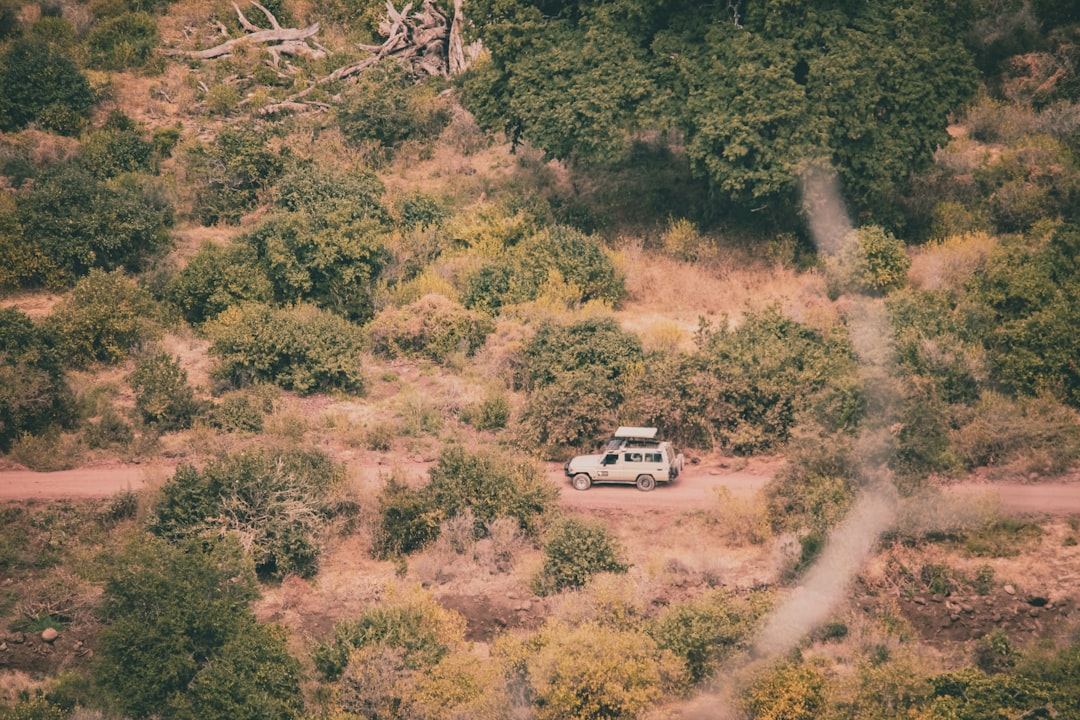
For those planning a visit, the best time to experience Lake Manyara's wonders is during the dry season, from June to October, when wildlife is most visible around the water sources. Early mornings and late afternoons are ideal for game drives, as animals are most active during these cooler hours. Visitors should not miss exploring the hippo pool by the lake's edge, where these hefty creatures wallow in mud, offering a fascinating glimpse into their social dynamics. A pair of binoculars and a good camera are essentials to capture the park's avian delights and breathtaking landscapes.
Lake Manyara National Park is not just a destination; it's a journey through time and tradition, a place where the echoes of the past resonate through the calls of the wild. As you leave, the vibrant memories of its sights and sounds linger, urging you to return to this haven of natural beauty and cultural richness.
