
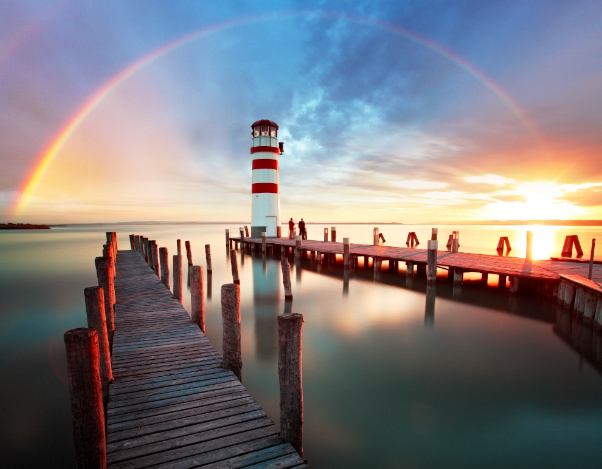

Nestled serenely between Austria and Hungary, Lake Neusiedl enchants with its shallow waters and reed-fringed shores, offering a living testament to nature's quiet splendor and human history's evolving narrative. This endorheic lake, which spans 315 square kilometers, has for centuries been a vital part of the region's cultural and environmental tapestry.
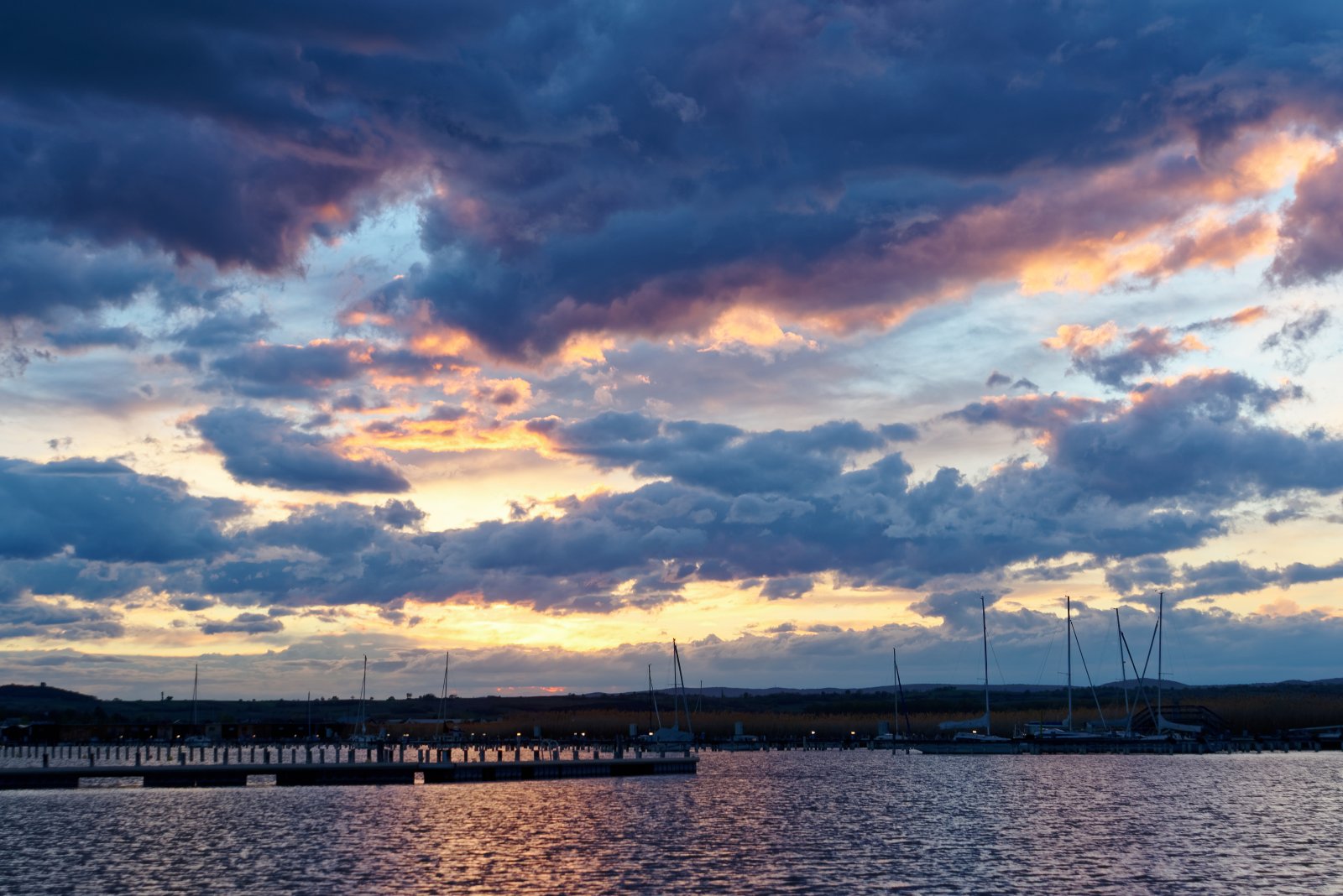
The lake's history stretches back to antiquity. Archaeological findings suggest that the area around Lake Neusiedl was settled as far back as the Neolithic period. The Celts and later the Romans left their mark here, drawn by the fertile lands and strategic location. The lake's name itself hints at medieval origins, with "Neusiedl" deriving from the German "new settlement," reflecting a time when the region saw renewed habitation and development. Throughout history, the lake has been a frontier zone—its waters have witnessed the ebb and flow of empires, from the Habsburg Monarchy to the Austro-Hungarian Empire.
In terms of art and architecture, the region around Lake Neusiedl is a fascinating blend of styles. The towns of Rust and Fertőd boast the baroque elegance typical of Central Europe. Rust is famous for its storks that nest peacefully on chimneys and rooftops, a natural canvas set against the backdrop of the town's pastel-colored facades. In Fertőd, the Eszterháza Palace, often called the "Hungarian Versailles," stands as a masterpiece of 18th-century architecture. This grand palace, once home to the influential Eszterházy family, inspired the compositions of the renowned composer Joseph Haydn, who lived and worked there for over two decades.
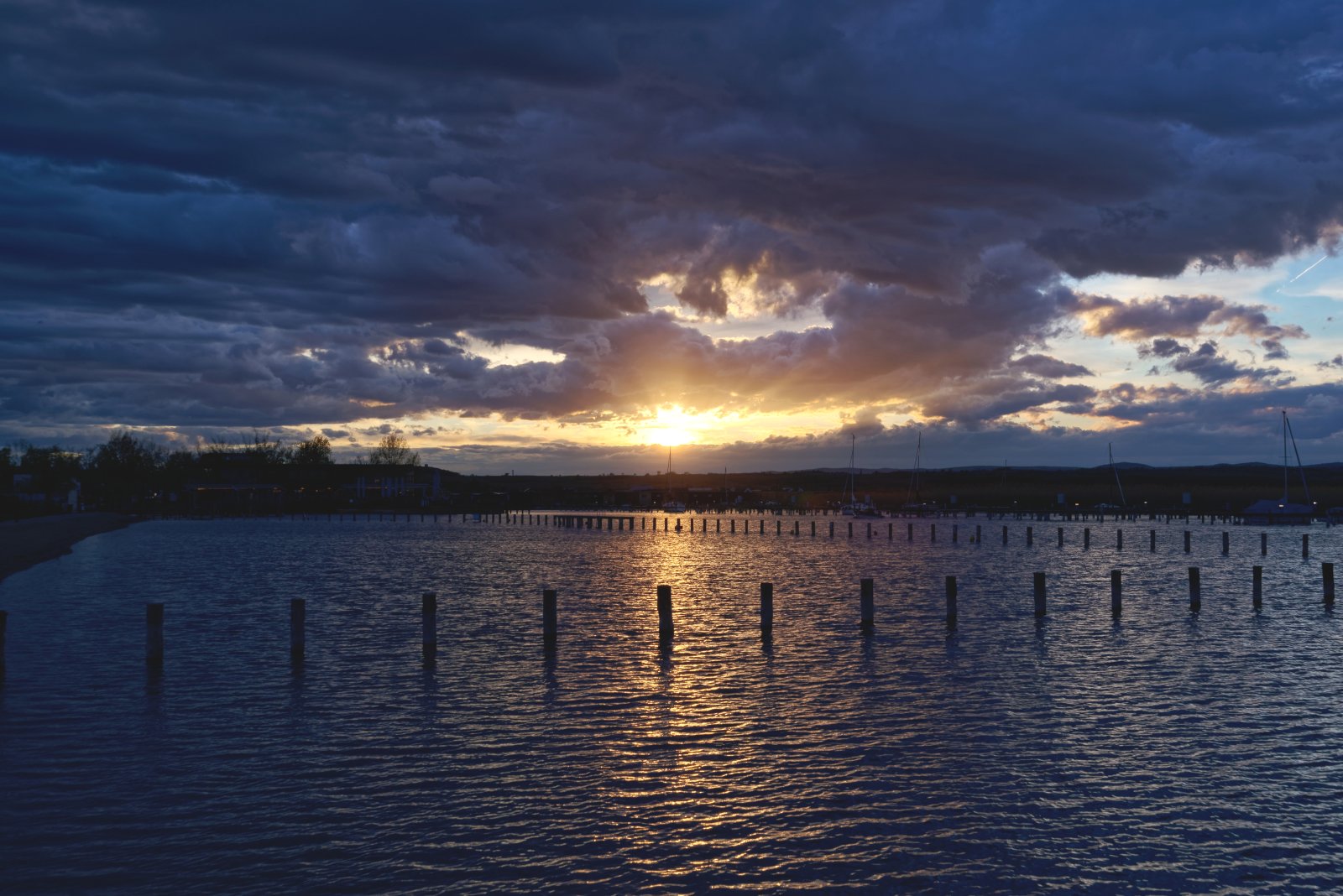
Culturally, Lake Neusiedl is a vibrant mosaic of traditions. The area is known for its Seefestspiele Mörbisch, an open-air operetta festival that transforms the lakeside into a stage each summer, drawing music lovers from across the continent. The tradition of wine production here is equally compelling. The region's unique microclimate, influenced by the lake's presence, nurtures vineyards that produce some of Austria's finest wines, particularly the Blaufränkisch and Welschriesling varieties. The annual Martiniloben festival celebrates the new wine season with tastings and cellar tours, honoring a viticultural heritage that dates back to Roman times.
The gastronomy of the Lake Neusiedl area offers a delectable journey through local flavors. Visitors can savor dishes like Fischsuppe, a hearty fish soup that reflects the lake's bountiful offerings. The cuisine is a delightful blend of Hungarian and Austrian influences, with staples such as goulash and strudel making regular appearances. In the village of Apetlon, the local specialty Pannonian zander, a type of pike-perch, is often grilled to perfection and served with seasonal vegetables.
Beyond its scenic beauty and cultural offerings, Lake Neusiedl harbors a trove of lesser-known curiosities. The lake is famed for its unique climate phenomenon known as "Seewind," a strong wind that blows consistently across its surface, making it a haven for windsurfing enthusiasts. Birdwatchers will find the lake's shores teeming with life, as it serves as a critical stopover for numerous migratory birds, earning it a designation as a UNESCO World Heritage Site. The lake's reeds, which cover nearly half its surface, play a crucial role in maintaining the ecosystem's balance, acting as natural water filters.
For travelers, visiting Lake Neusiedl offers an experience rich in both leisure and discovery. The best time to visit is during the late spring or early autumn, when the weather is mild, and the crowds are thinner. Cycling around the lake is a popular activity, with well-marked paths offering scenic views and access to charming villages. A particular spot to seek out is the Neusiedler See National Park, which straddles the border and provides a glimpse into the region's diverse flora and fauna.
Whether drawn by the allure of historical exploration, the thrill of outdoor activities, or the promise of culinary delights, visitors to Lake Neusiedl will find a destination that resonates with the rhythms of time and nature, leaving an indelible impression on all who wander its shores.


