



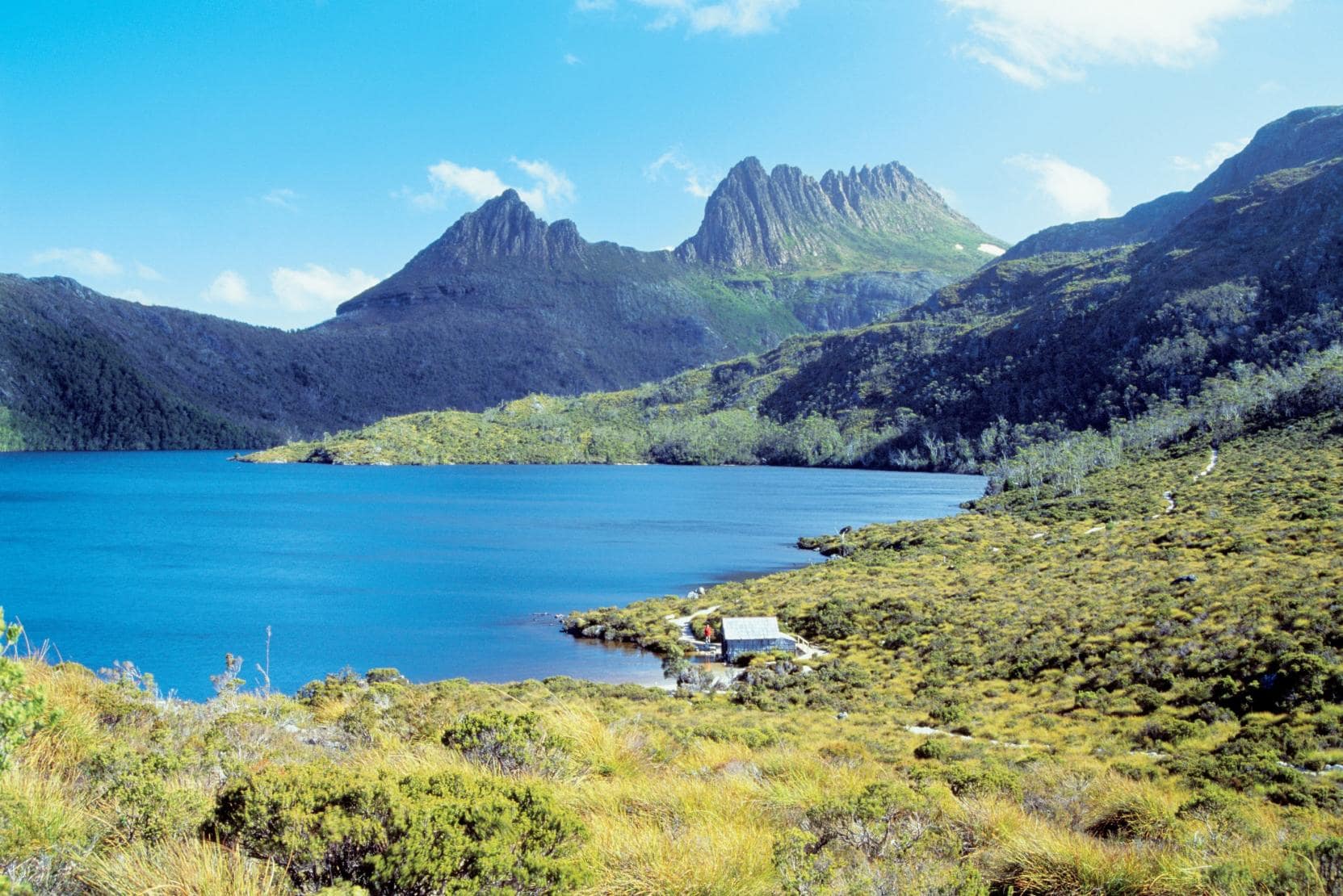
Nestled in the rugged heart of Tasmania, Lake St. Clair beckons with its serene beauty and storied past, offering a glimpse into both ancient landscapes and rich cultural tapestries. As the deepest freshwater lake in Australia, it is a natural marvel that captivates visitors with its pristine waters and breathtaking surroundings.
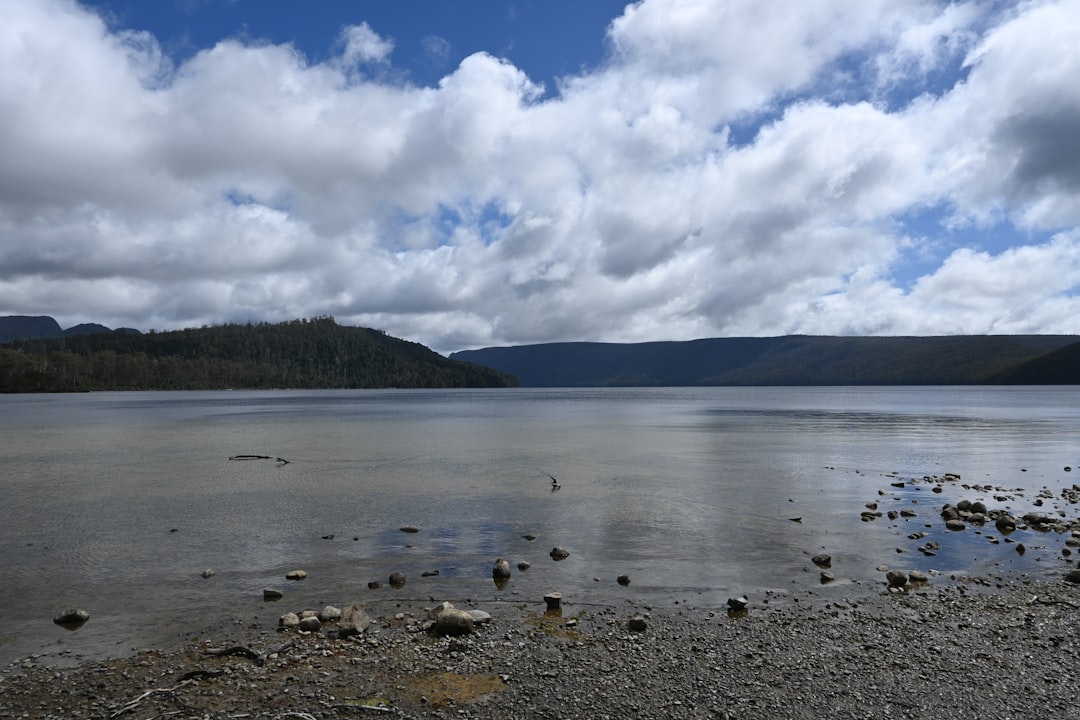
Lake St. Clair is part of the Tasmanian Wilderness World Heritage Area, a title that reflects its ecological and cultural significance. The lake's origins stretch back to the last Ice Age, some 10,000 years ago, when glacial movements carved out its deep basin. This ancient lineage is mirrored in the stories of the Palawa, the Aboriginal people of Tasmania, who have lived in harmony with this land for over 35,000 years. They know the lake as Leeawuleena, meaning "sleeping water," a name that captures the tranquil essence of the lake.
In the early 19th century, European explorers began to traverse these lands, with George Augustus Robinson, a notable figure, documenting encounters with the local Aboriginal communities. The area was later developed into a tourism hub in the early 1900s, leading to the establishment of infrastructure that allowed for greater accessibility without compromising its natural integrity.

Though Lake St. Clair is renowned for its natural beauty rather than man-made structures, the region still boasts architectural highlights. The Lake St. Clair Lodge, designed to blend seamlessly into the environment, provides rustic yet comfortable accommodations for those wishing to explore the wilderness. Crafted from local timber, its architecture is a nod to the rugged and robust environment, offering panoramic views of the lake.
Artistic expression thrives in this untouched wilderness. The lake has inspired countless artists and photographers who seek to capture its elusive charm. The Tasmanian Museum and Art Gallery in nearby Hobart houses works that depict the stunning landscapes of the area, offering a visual feast that encompasses the region's artistic significance.
The cultural tapestry of the region is rich and varied. Local traditions are steeped in a deep respect for the land, with festivals like the Tasmanian Wilderness World Heritage Area's annual celebrations highlighting the importance of conservation and cultural heritage. These events often include storytelling sessions, Aboriginal dance performances, and workshops that invite visitors to engage with the unique cultural narratives of the area.
Gastronomy near Lake St. Clair is a celebration of Tasmania’s bounty. The region is renowned for its fresh produce, with local eateries offering dishes that feature wild game, fresh fish, and organic vegetables. A must-try is the Tasmanian Atlantic salmon, often paired with locally sourced wines. The nearby town of Derwent Bridge is a culinary hub where travelers can savor the flavors of Tasmania, from hearty stews to delicate pastries.
Beyond its surface allure, Lake St. Clair holds lesser-known curiosities. For example, the lake is a popular spot for the elusive platypus, which can often be seen at dawn or dusk. The surrounding forests are home to diverse wildlife, including the endangered Tasmanian devil. There is also a fascinating geological feature known as Pumphouse Point, an art deco building that once served a hydroelectric scheme and now stands as a unique accommodation offering.
For those planning a visit, the ideal time is during the warmer months of December to March, when the weather is mild, and the landscape blossoms with life. However, each season paints a different picture, from the snow-dusted peaks of winter to the vibrant colors of autumn. Visitors should be prepared for rapidly changing weather and are encouraged to explore the numerous walking trails that vary in difficulty, catering to both casual strollers and seasoned hikers.
In conclusion, Lake St. Clair is more than just a body of water; it is a testament to the passage of time, a sanctuary for wildlife, and a canvas for cultural expression. From its ancient origins to its modern-day allure, the lake invites travelers to immerse themselves in a world where nature and history intertwine. Whether you're an adventurer, a history buff, or simply seeking solace in a stunning landscape, Lake St. Clair promises an unforgettable journey into the heart of Tasmania.
