
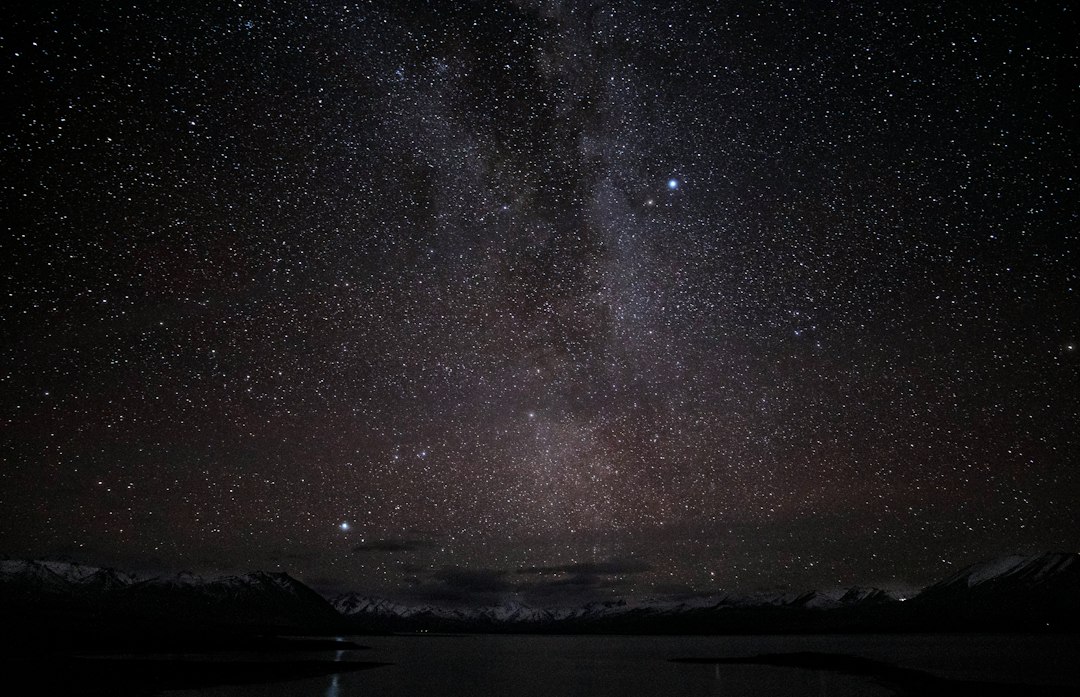

When the sun sets behind the mountains of the Mackenzie Basin and the sky above Lake Tekapo begins to fill with stars, it becomes immediately clear why this corner of New Zealand is considered one of the most extraordinary places for astronomical observation in the southern hemisphere. It is not a matter of tourist romanticism: it is physics. The almost total absence of light pollution, combined with the altitude and the dry air of the South Island's interior, creates exceptional atmospheric conditions that allow the Milky Way to be seen with the naked eye with a clarity that is hard to find elsewhere.
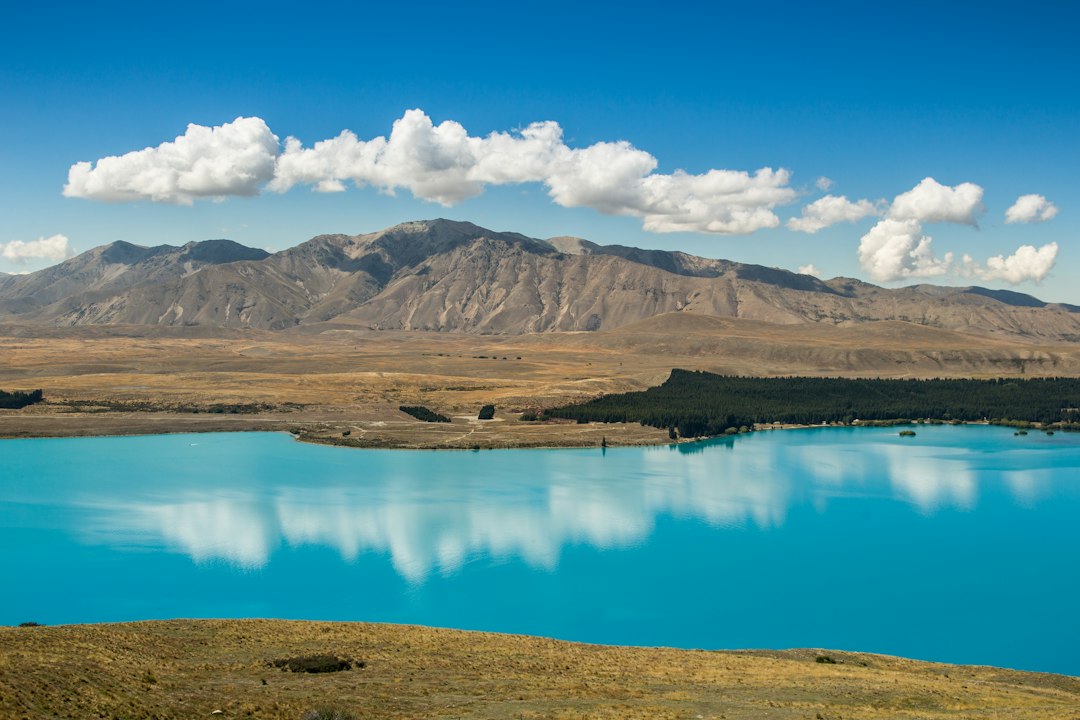
Lake Tekapo is located in the Canterbury region, about 225 kilometers from Christchurch, at an altitude of about 700 meters above sea level. The lake itself, famous for its bright turquoise color caused by glacial flour suspended in the water, acts as a natural mirror to the night sky. But it is the official designation of this area that makes everything even more significant: in 2012, the Aoraki Mackenzie International Dark Sky Reserve was recognized by the International Dark-Sky Association as one of the largest and best-protected dark sky reserves in the world, covering an area of over 4,300 square kilometers.
The Mount John Observatory: where science meets the landscape
At the top of Mount John, a hill that overlooks the lake at about 1,031 meters above sea level, stands the Observatory of the University of Canterbury, active since 1965. It is not a monumental building: the white domes discreetly emerge from the rock, almost in dialogue with the landscape rather than in contrast to it. The observatory houses several professional telescopes used for astronomical research, including instruments dedicated to the search for exoplanets and stellar photometry. Visitors do not have free access to the research facility, but guided night tours organized by authorized local operators allow the use of telescopes dedicated to the public located in the same area.
During the guided sessions, which typically last between two and three hours, the astronomy guides show objects in the southern sky that are never seen in the northern hemisphere: the Large and Small Magellanic Clouds, two satellite galaxies of the Milky Way visible to the naked eye, or the Southern Cross, the most iconic symbol of the southern hemisphere sky. The difference compared to observing in an urban sky is immediate and almost moving: it is not about seeing a few more stars, but about finding oneself in front of a completely different celestial dome than what most European travelers are used to.
How a visit works and what to expect
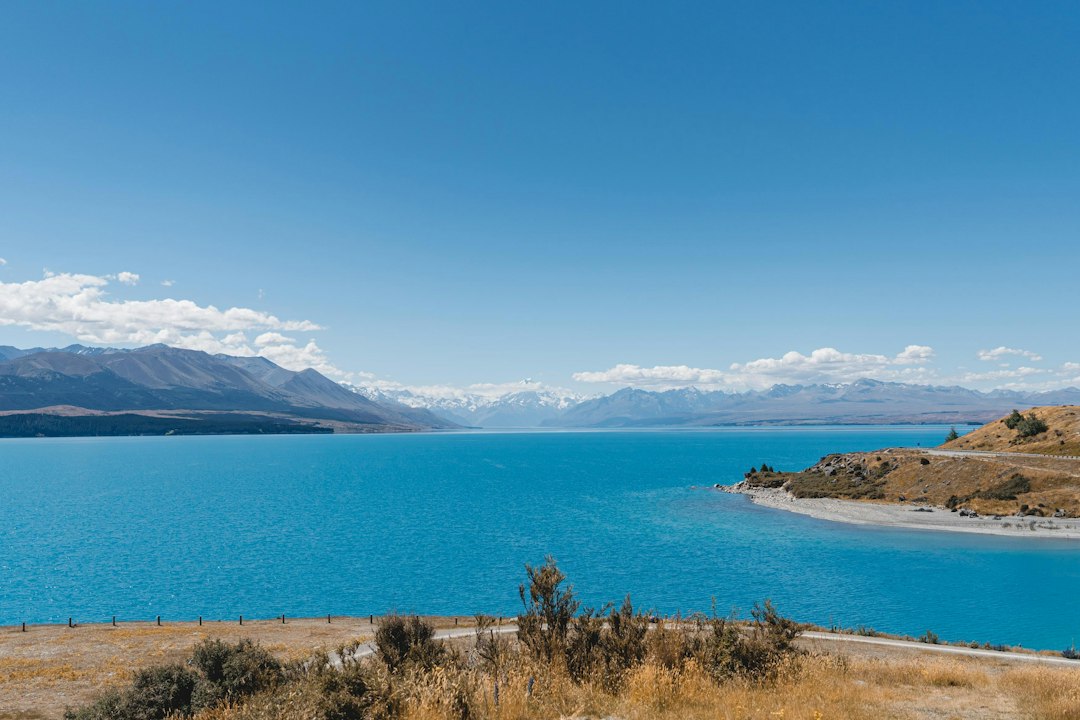
Night excursions are organized by operators such as Dark Sky Project, which manages regular tours starting from the center of Lake Tekapo. Prices for a guided tour generally range from 45 to 65 New Zealand dollars per adult, with variations depending on the season and the type of experience chosen. Some options also include a daytime ascent to the summit of Mount John, which offers a panoramic view of the lake and the surrounding mountains, including Aoraki/Mount Cook, the highest peak in New Zealand, visible in the distance on clear days.
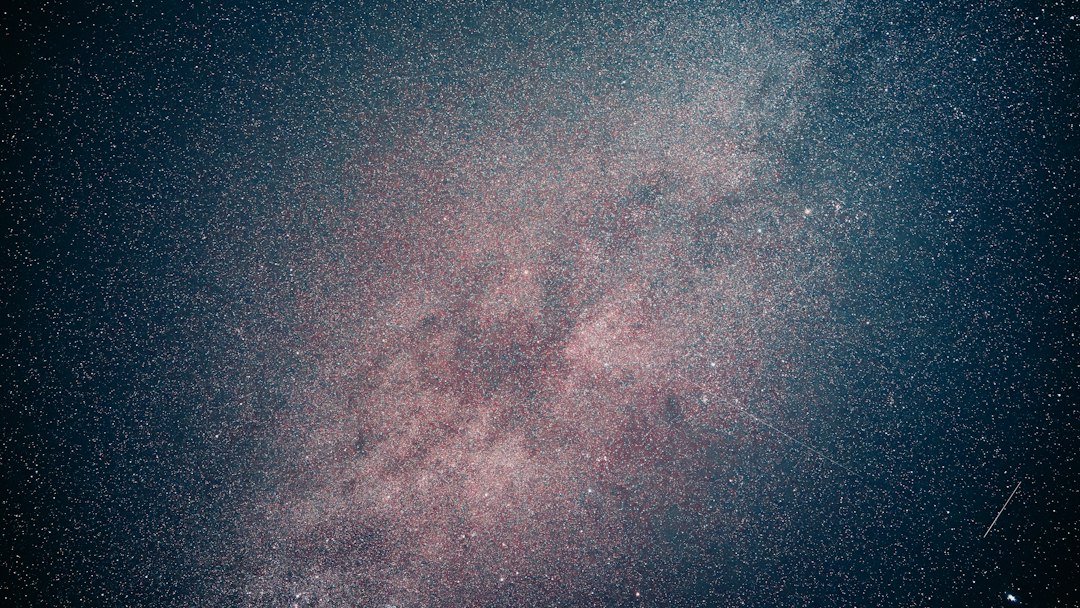
It is important to book in advance, especially during the Australian summer months from November to February, when tourism in the region is more intense. Sessions are canceled in case of excessive cloud cover, and operators usually offer the option to reschedule. A key practical tip: bring very warm clothing even in summer, as nighttime temperatures at this altitude and latitude can drop close to zero even in the warmest months. A winter jacket, gloves, and a hat are essential to enjoy the experience without distractions.
The natural context: why the place works even during the day
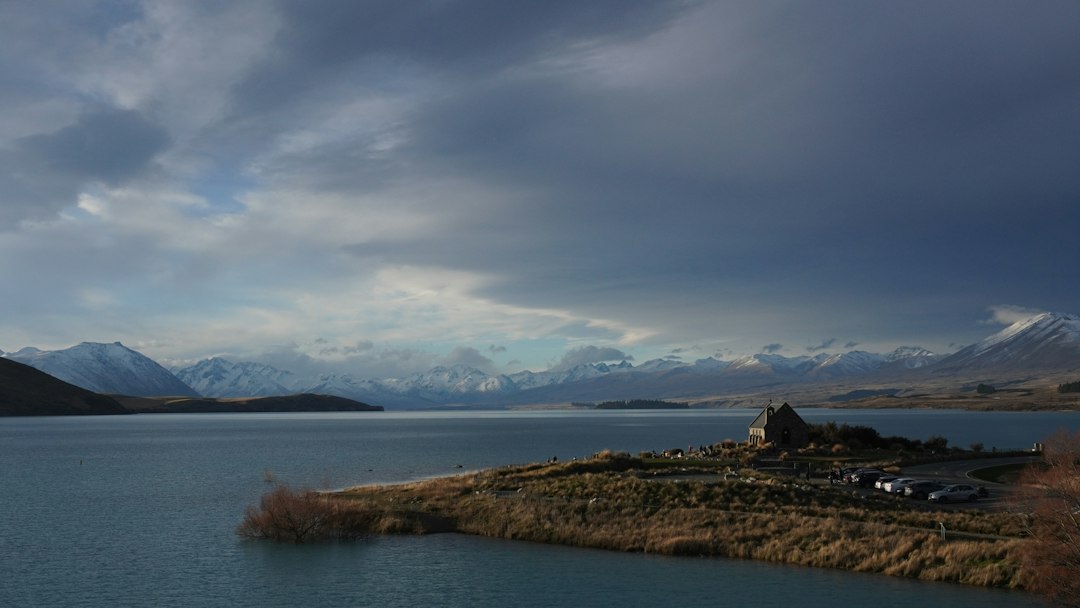
Lake Tekapo is not just a nighttime destination. The Church of the Good Shepherd, a small Anglican chapel built in 1935 directly on the shore of the lake, is one of the most photographed monuments in New Zealand: its main window frames the lake and the mountains like a natural painting. The wild lupins that color the shores of the lake in purple and pink during spring (between October and November) add an almost unreal chromatic element to the scene.
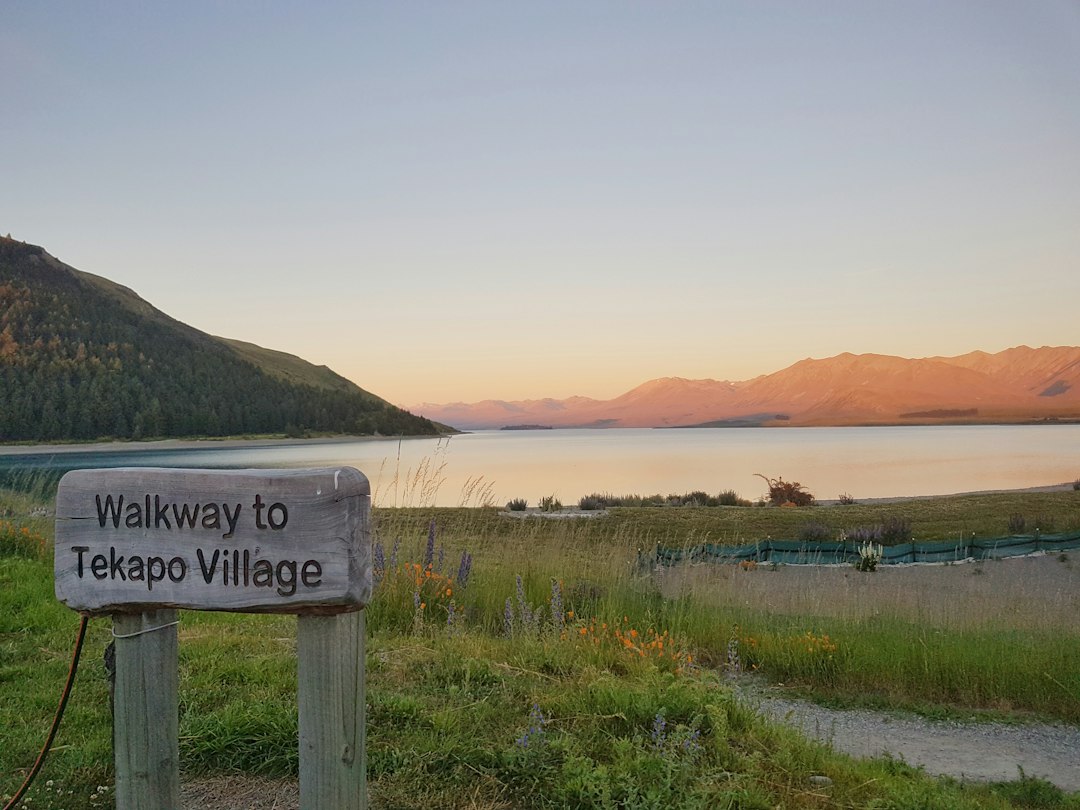
The village of Tekapo is small and easily explored on foot in a few hours. Don't expect a big city: there are a few restaurants, a couple of cafes, and accommodations ranging from hostels to mid-range hotels. This simplicity is part of the charm of the place. In the evening, when almost all the shops close and the lights go out to comply with the dark sky reserve regulations, the silence becomes total and the sky takes over everything else.


