



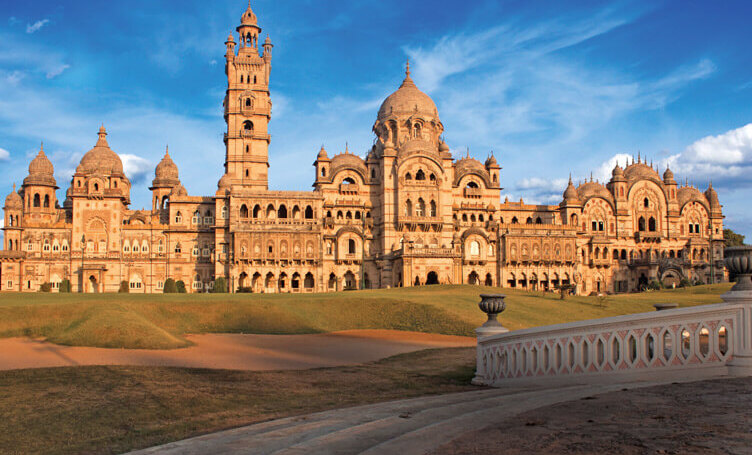
Nestled in the heart of Vadodara, Lakshmi Vilas Palace stands as a testament to India's royal heritage and architectural splendor. Commissioned by Maharaja Sayajirao Gaekwad III in 1890, this grand edifice surpasses even the famed Buckingham Palace, being four times its size. Occupying a sprawling 500-acre estate, the palace is not just a residence but a cultural landmark that continues to captivate visitors with its history and beauty.
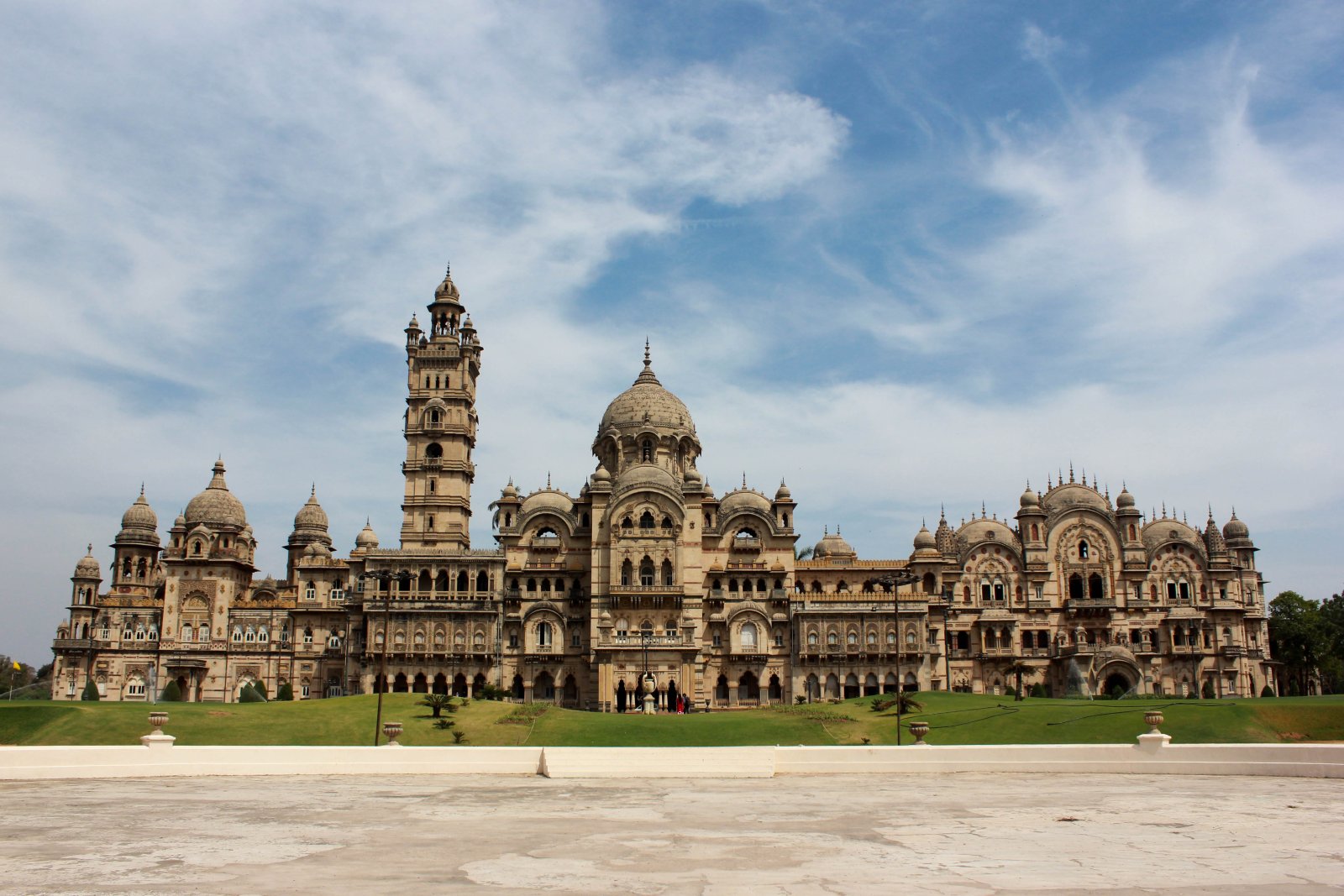
### History and Origins The Lakshmi Vilas Palace was built during the time of the Gaekwads, a dynasty that ruled the region of Baroda (now Vadodara) for over two centuries. Maharaja Sayajirao Gaekwad III, a progressive ruler, envisioned a palace that would symbolize the wealth and cultural richness of his state. The palace was constructed with a vision to blend elements from various architectural styles, including Indo-Saracenic, which is characterized by its fusion of Indian, Islamic, and British design elements.
The palace was completed in 1890, and it was the last royal residence of the Gaekwad family. It witnessed numerous significant events, including the visit of Mahatma Gandhi in 1917, who was welcomed by the Maharaja himself. The palace has seen the transition of Baroda from a princely state to its integration into modern India, retaining its royal charm throughout.
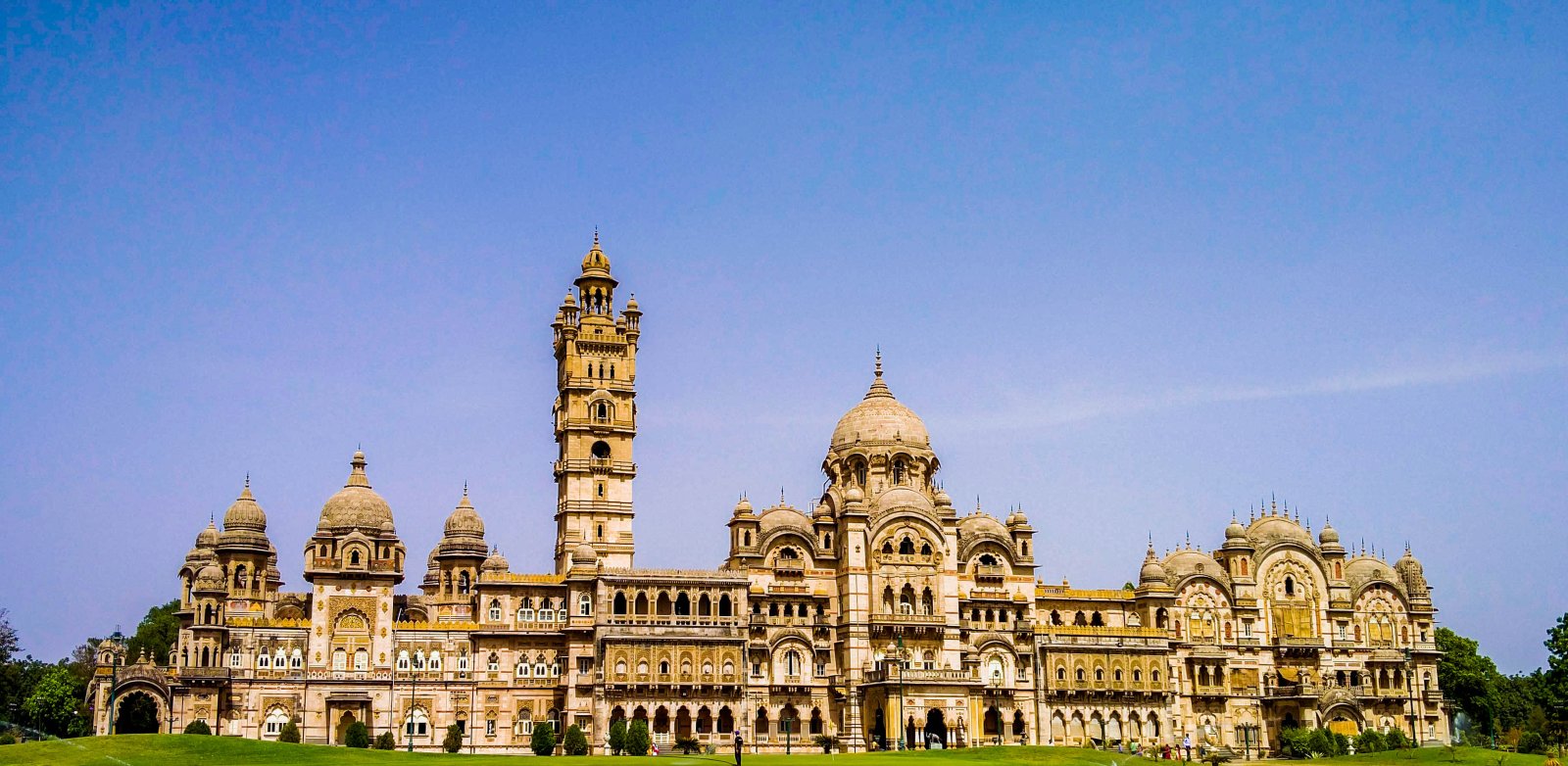
### Art and Architecture The Lakshmi Vilas Palace is an architectural marvel, featuring intricate carvings, lush gardens, and expansive courtyards. The palace's exterior is adorned with Venetian glass, Belgian stained glass, and Moorish arches, exemplifying the artistic brilliance of the era. One can marvel at the grand Durbar Hall, which is adorned with gilded ceilings and boasts a magnificent collection of Mughal and Rajasthani art.
The palace is also home to an impressive collection of artifacts, including weapons, textiles, and paintings, many of which are housed in the Maharaja Fateh Singh Museum located within the compound. The museum features artworks by renowned artists such as Raja Ravi Varma, showcasing the artistic heritage of the region and the patronage of the Gaekwad dynasty.
### Local Culture and Traditions Vadodara's culture is a vibrant tapestry woven from various influences, and the legacy of the Gaekwads plays a significant role in shaping its traditions. The city is known for its festivals, particularly Navratri, during which the locals celebrate with garba dances and elaborate decorations in the palace grounds. The festive spirit is palpable, with both locals and tourists coming together to revel in the joyous atmosphere.
Another important cultural event is the Vasant Utsav, which marks the arrival of spring and is celebrated with traditional music, dance, and art exhibitions. These festivals highlight the communal harmony and the rich cultural fabric of Vadodara, inviting visitors to immerse themselves in local customs and traditions.
### Gastronomy The culinary scene in Vadodara is as rich as its history. When visiting the Lakshmi Vilas Palace, one must indulge in local delicacies such as Dhokla (steamed gram flour cake), Khandvi (spiced gram flour rolls), and Undhiyu (a mixed vegetable dish). The city is also famous for its street food, including Pani Puri and Vada Pav.
For a unique experience, consider trying Thali, a traditional Gujarati meal that features a variety of dishes served on a single platter. Pair it with a glass of Masala Chaas (spiced buttermilk) for a true taste of local fare. The flavors of Vadodara reflect the region's history, bringing together influences from various cultures.
### Lesser-Known Curiosities Among the many fascinating stories surrounding the Lakshmi Vilas Palace, one of the most enchanting is the tale of its private zoo. Established by the Maharaja, the zoo housed exotic animals, including cheetahs and peacocks. Although the zoo no longer exists, remnants of its legacy linger in the palace gardens.
Another curiosity is the Palace's secret tunnels, which were rumored to connect to various parts of the city, allowing the royal family to travel discreetly. While these tunnels have not been fully explored, they add an air of mystery to the palace's history.
### Practical Visitor Information The best time to visit the Lakshmi Vilas Palace is during the cooler months from October to March. The palace opens its doors to visitors daily, with guided tours available that provide insight into its history and architecture. Don’t miss the Durbar Hall, the royal gardens, and the impressive museum.
Photography is allowed, so bring your camera to capture the stunning architecture and lush landscapes. A stroll through the expansive grounds offers a tranquil escape from the bustling city outside.
In conclusion, the Lakshmi Vilas Palace is not merely a monument but a vibrant emblem of Vadodara's royal history, cultural richness, and artistic brilliance. To fully experience the beauty and history of this magnificent palace, consider using the Secret World app to plan a personalized AI itinerary to visit Vadodara.
