

Nestled in the vibrant heart of Bengaluru, Lal Bagh is more than just a garden; it is a living testament to the city’s rich history and botanical diversity. Spanning 240 acres, this green oasis was meticulously designed in the 18th century under the visionary leadership of Hyder Ali and later his son, Tipu Sultan. A stroll through Lal Bagh is like taking a step back in time, where each pathway tells a story of royal ambition and natural beauty.
The origins of Lal Bagh date back to 1760 when Hyder Ali, inspired by the grand Mughal gardens of the north, commissioned this sanctuary. It was Tipu Sultan who expanded it, bringing in rare plants from Persia, Afghanistan, and France. This blend of local and exotic flora gave Lal Bagh its name, which translates to ‘Red Garden’ in Persian, reflecting the garden’s abundant red roses.
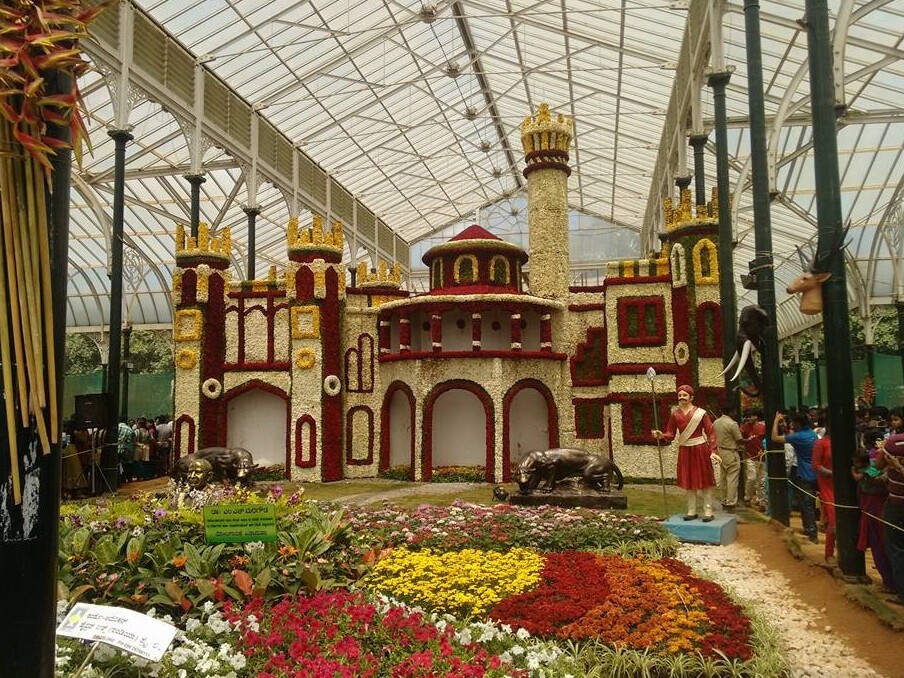
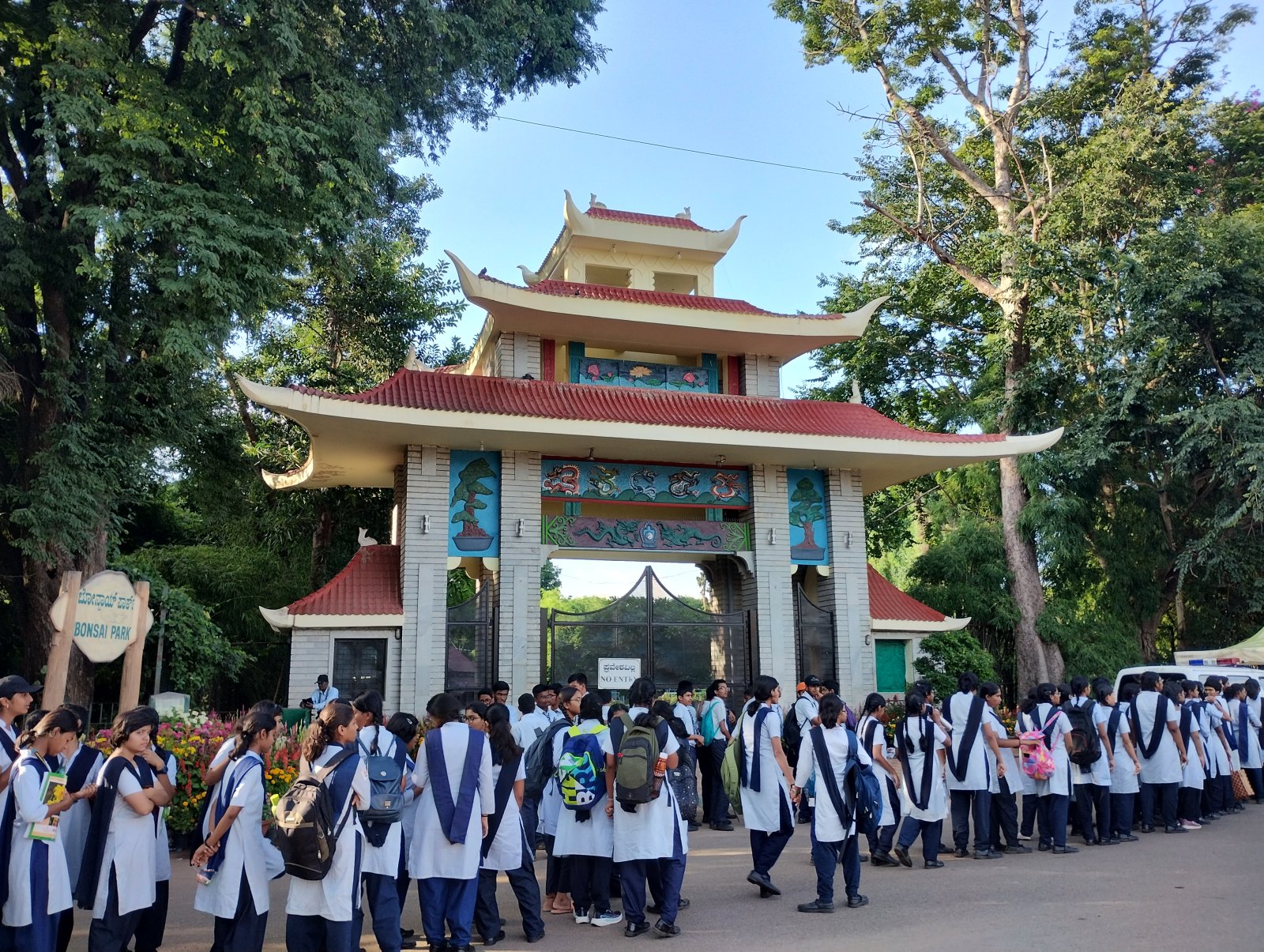
Architecturally, Lal Bagh is a marvel. The centerpiece is the iconic Glass House, modeled after London’s Crystal Palace. Built in 1889, this elegant structure hosts the bi-annual flower shows, a tradition that dates back to 1912. The Kempegowda Tower, perched on a rocky outcrop, offers panoramic views of the garden, while the Bonsai Park showcases the intricate art of miniature tree cultivation.
Culturally, Lal Bagh is a microcosm of Bengaluru’s diverse traditions. The garden comes alive during the Republic Day and Independence Day flower shows, where local artisans and horticulturists display vibrant floral arrangements. These events are a testament to the garden’s role in fostering community spirit and celebrating India’s rich horticultural heritage.
While Lal Bagh itself does not offer culinary delights, it sits in proximity to some of Bengaluru’s famed eateries. Indulge in traditional South Indian dishes such as Dosa, Idli, and the spicy Vada, all typically found in nearby food stalls and cafes. A cooling glass of fresh coconut water from local vendors perfectly complements a day exploring the garden.
For those seeking hidden stories, Lal Bagh has its share of curiosities. One such gem is the Lal Bagh Rock, a 3,000-million-year-old geological formation, making it one of the oldest rock formations in the world. Additionally, the garden houses the Peninsular Gneiss, declared a national geological monument for its scientific value.
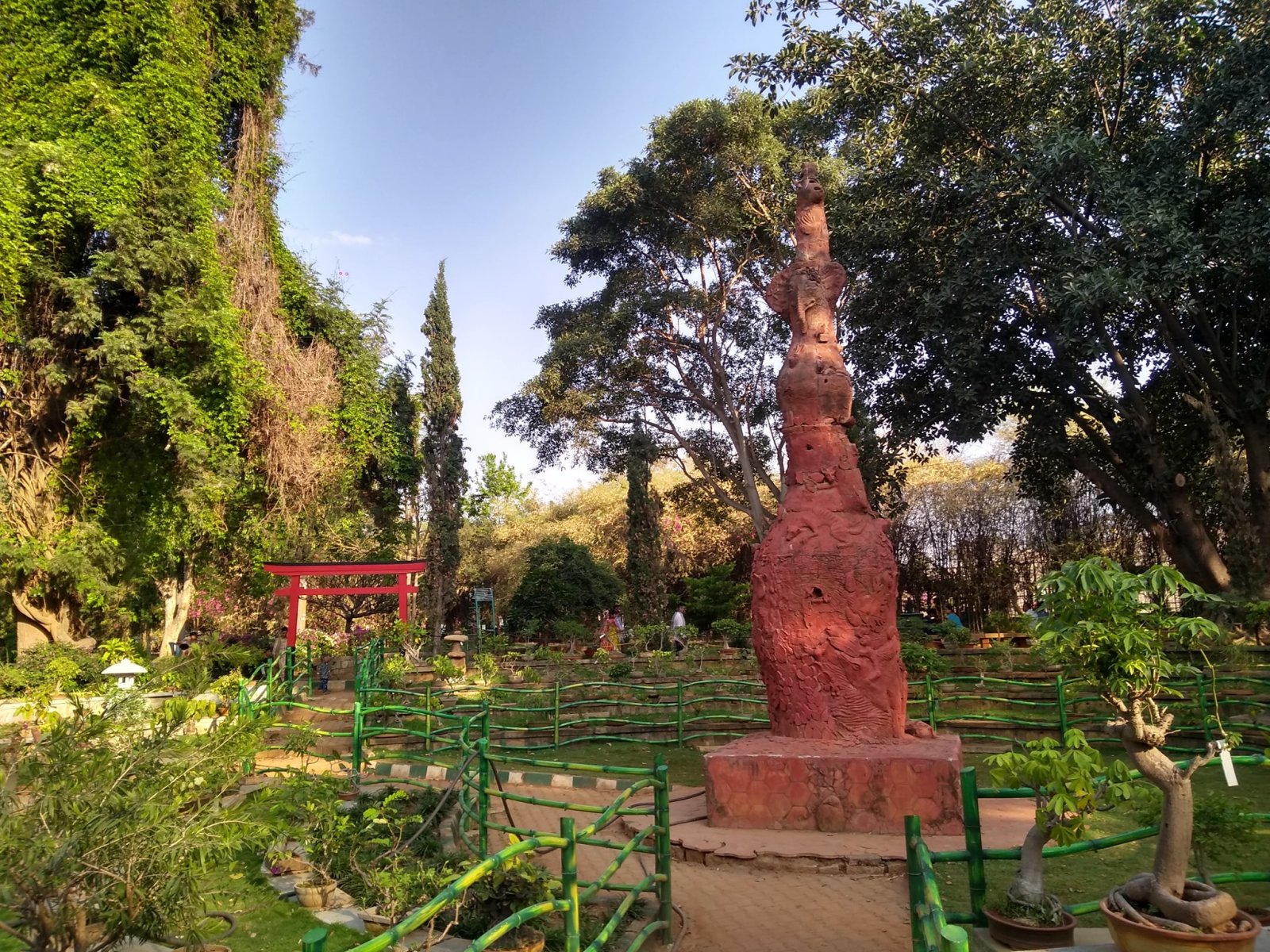
Visitors should aim to explore Lal Bagh in the early morning or late afternoon when the light is softer, and the temperature is cooler. Weekdays are ideal for avoiding the weekend crowds. Don’t miss the cacti collection, the Japanese Garden, and the Rose Garden, each offering a unique perspective of botanical beauty.
For a truly personalized experience, consider using the Secret World app to plan your Bengaluru adventure.


