

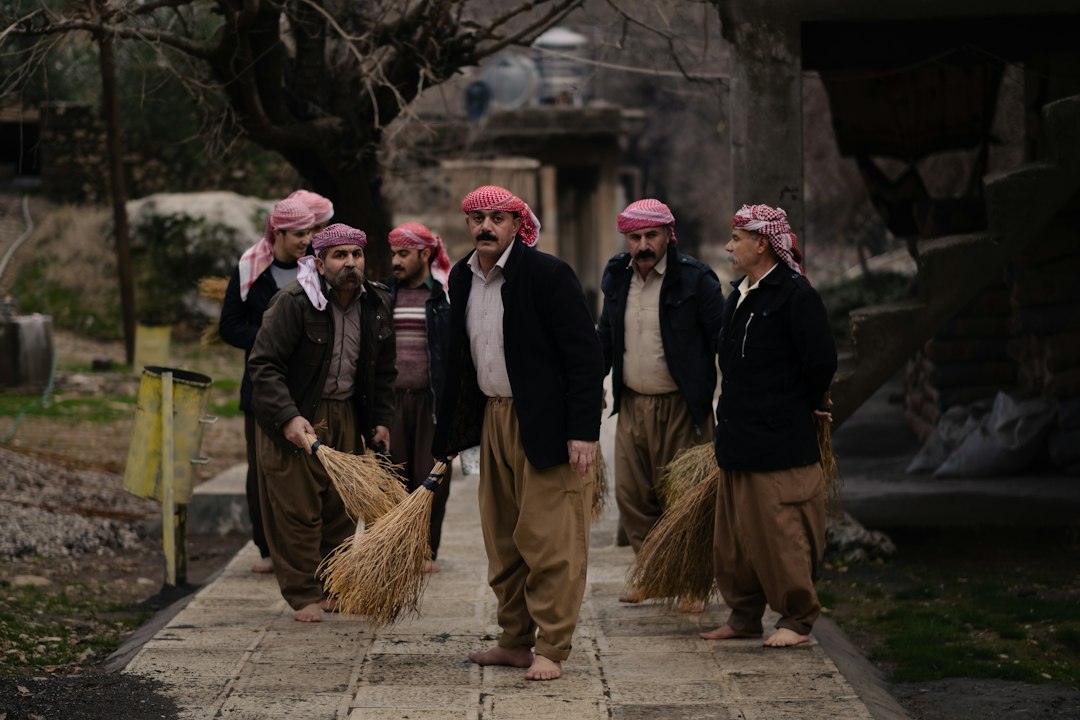
The bare feet touch the ancient stone even before crossing the main gate. In Lalish, in the region of Iraqi Kurdistan, taking off one's shoes is not a symbolic gesture but a physical and spiritual obligation: the entire valley is consecrated ground, and every inch of land carries the weight of a millennia-old faith. This small gorge between the mountains north of Dohuk hosts the most sacred sanctuary of the Yazidis, a religious community whose syncretic tradition weaves together elements of Zoroastrianism, Sufi Islam, and ancient Mesopotamian beliefs.
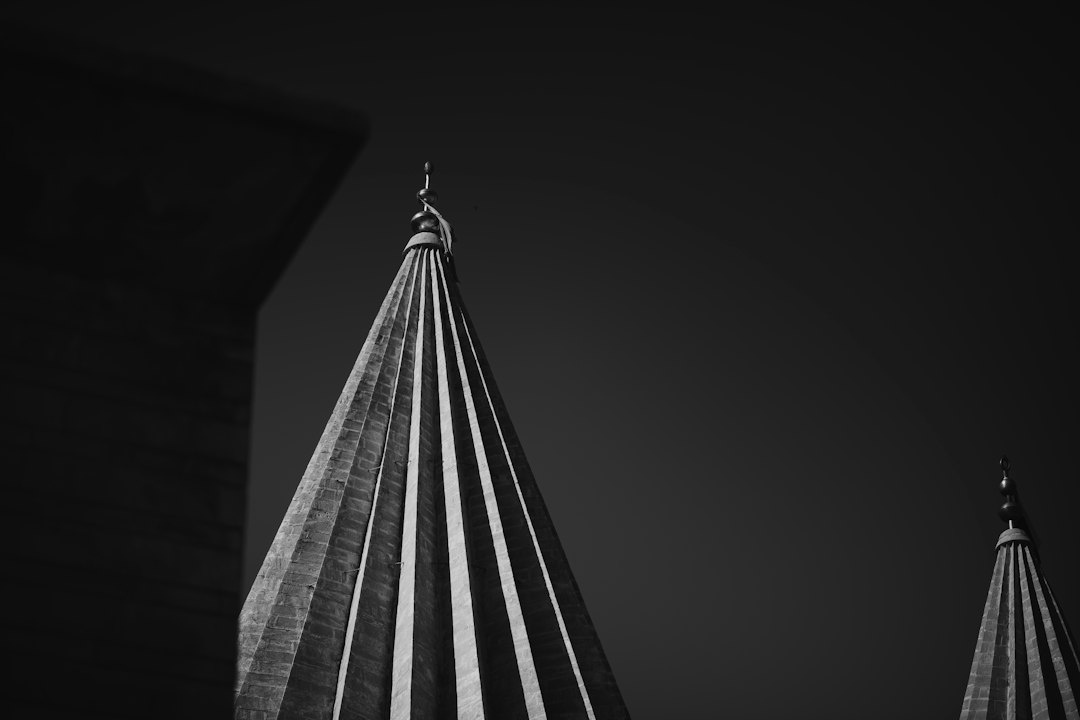
The landscape that unfolds before the visitor is immediately recognizable: dozens of conical towers, called spires or sheikhan, rise like flames of light stone against the sky. These fluted cone-shaped structures, some of which date back centuries, mark the burial sites of saints and venerable figures of the Yazidi tradition. The most important is the tomb of Sheikh Adi ibn Musafir, the 12th-century religious reformer considered the central spiritual figure of the Yazidi faith, around which the main complex of the sanctuary developed.
The Tomb of Sheikh Adi and the Heart of the Sanctuary
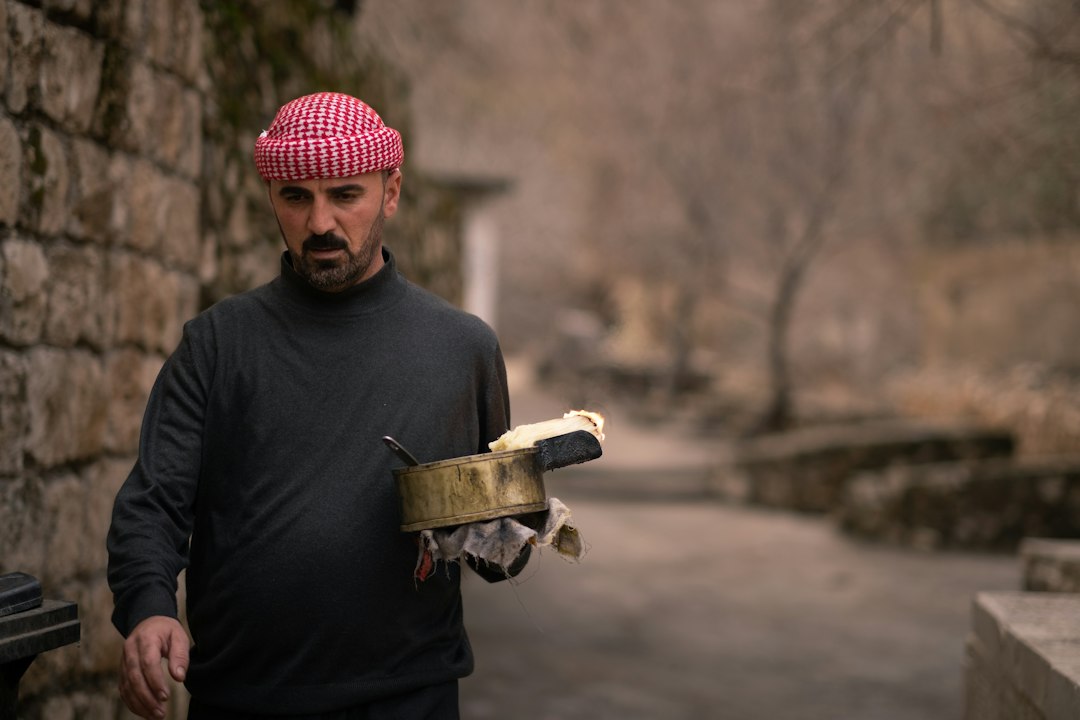
Sheikh Adi ibn Musafir lived in the 12th century and chose this valley as a place for retreat and meditation. After his death, which occurred around 1162, his tomb became the focal point of a pilgrimage that continues to this day. The interior of the mausoleum is enveloped in a fragrant twilight: pilgrims bring olive oil lamps that are lit in the niches carved into the walls, creating a flicker of warm light on the polished stone surfaces. The smell of burnt oil mingles with that of water flowing through an internal spring, considered sacred and purifying.
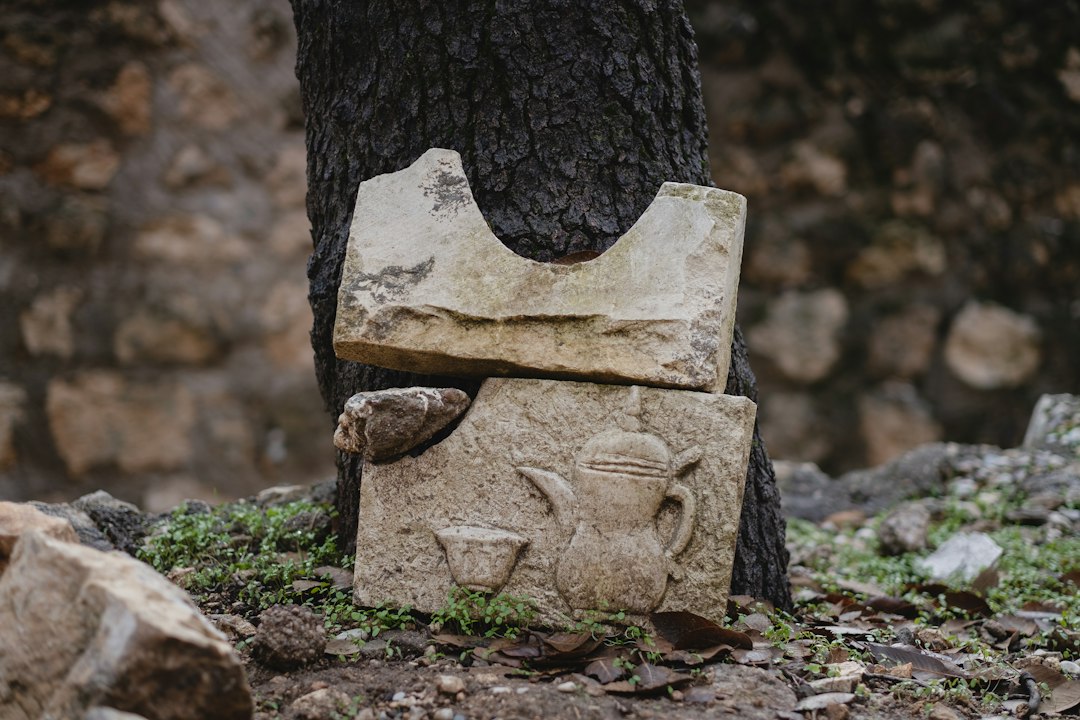
Accessing the tomb requires bending down under a low lintel, an act interpreted as a gesture of humility. The walls are decorated with bas-reliefs depicting snakes — a sacred animal in Yazidi cosmology, associated with protection — and with inscriptions in ancient characters. The complex also includes a large hall for community meetings and several courtyards connected by narrow passages, giving the place a sense of spiritual labyrinth.
The walnut trees and the colored cloths
One of the most visually powerful elements of Lalish are the large walnut trees that grow in the valley, some of which have trunks of considerable size and an estimated age of hundreds of years. Yazidi pilgrims tie pieces of colored fabric to these branches, a votive gesture found in various religious traditions of the Middle East and Central Asia. Each cloth represents a wish, a prayer, a vow made to the deity or to a saint.
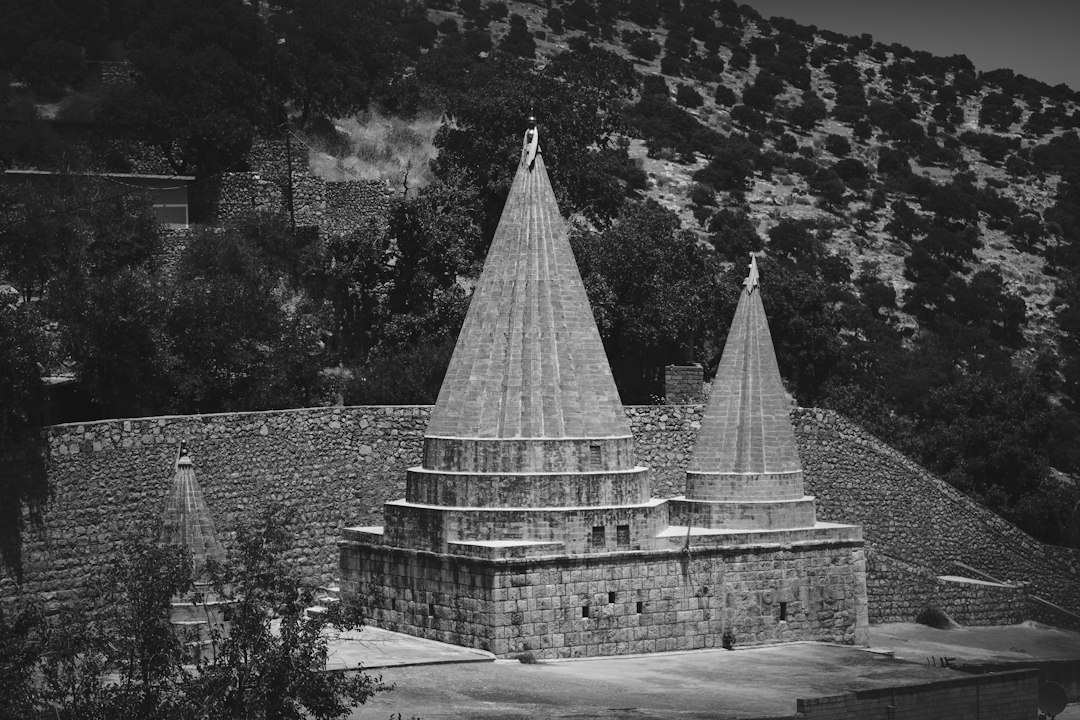
Walking among these trees laden with multicolored fabrics, with light filtering through the leaves and illuminating the white cones of the shrines in the background, is a visual experience hard to forget. The valley is relatively small — it can be walked in less than an hour — but the density of layered meanings in every corner requires much more time to be absorbed. Pilgrims may walk barefoot for miles to reach Lalish, especially during the great annual festival of Cejna Cemaiya, which takes place in the autumn and gathers Yazidis from all over the world.
How to visit Lalish respectfully

Lalish is located about 60 kilometers north of Dohuk, accessible by car via paved roads that traverse the mountainous landscapes of Iraqi Kurdistan. The region is administered by the Kurdistan Regional Government, which ensures a generally good level of security for foreign visitors, unlike the situation in other areas of Iraq. It is still advisable to check updated security conditions before departing.
Entry to the sanctuary is free, but the rules of conduct are strict and must be followed meticulously. In addition to removing shoes at the entrance to the valley, non-Yazidi visitors must ask for permission to access certain internal areas, particularly the tomb of Sheikh Adi. Photographing people in prayer without consent is considered disrespectful. The best time to visit is early in the morning when the slanting light illuminates the conical towers and the influx of pilgrims is more intimate and quiet. Avoid the periods of major holidays if you are looking for a peaceful experience; on the contrary, choose them if you want to observe Yazidi community life in its most intense and participatory form.
A place that asks for slowness
Lalish is not visited in a hurry. The valley invites you to stop, to observe a pilgrim lighting a lamp, to listen to the sound of the water from the sacred spring, to follow with your eyes the thin smoke of the burnt oil rising towards the stone vaults. It is a place that operates through sensory details: the warmth of the stone under bare feet, the scent of olive oil, the color of the fabrics tied to the branches.
For a community that has suffered severe historical persecutions, including those perpetrated by the Islamic State group after 2014, Lalish represents something more than a place of worship: it is the physical proof of the survival of a tradition. Visiting it with respect and attention is already, in itself, an act of recognition.


