



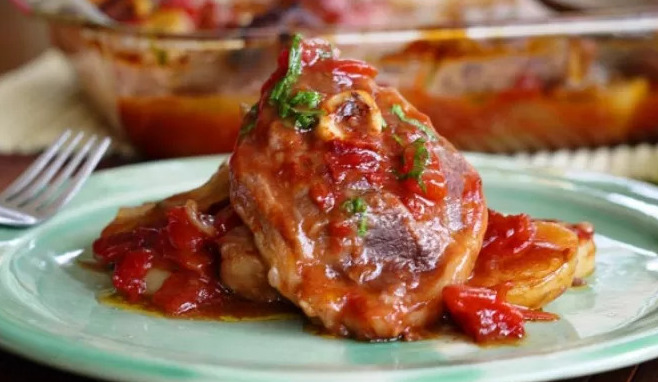
Nestled in the heart of Italy, the region of Abruzzo is a treasure trove of culinary delights, with lamb with sagnette all'abruzzese standing out as a beloved traditional dish. This rustic meal, deeply rooted in the pastoral heritage of the Italian countryside, is a testament to the region's rich history and culinary ingenuity.
The origins of this savory dish trace back to the ancient shepherding communities that once dotted the rugged landscapes of Abruzzo. The practice of raising sheep has long been integral to the area's economy and culture, dating back to Roman times when the region was known as a key supplier of wool. The dish itself embodies this pastoral lineage. Traditionally cooked in a terracotta pan, the lamb is browned to perfection, offering a hearty meal that has sustained generations of Abruzzese people through harsh winters.
Abruzzo's architecture and art are as captivating as its culinary offerings. The region is peppered with medieval castles and Romanesque churches, each echoing stories of bygone eras. The Santa Maria di Collemaggio Basilica in L'Aquila is a prime example, renowned for its Romanesque and Gothic architecture and the annual Perdonanza Celestiniana festival. This UNESCO-recognized event, dating back to 1294, draws visitors from far and wide, highlighting the region's historical and religious significance.
Cultural traditions in Abruzzo are as vibrant as its landscape. The Festa dei Serpari, or the Snake Festival, in the town of Cocullo, sees locals handling live snakes in a centuries-old ritual that honors Saint Dominic, the patron saint against snake bites. This unique festival underscores the region's blend of pagan and Christian traditions, offering a fascinating glimpse into Abruzzese culture.
Gastronomy in Abruzzo extends beyond lamb with sagnette. The region boasts a diverse array of dishes that reflect its rich agricultural heritage. Arrosticini, skewers of grilled lamb, are a must-try for any meat lover. Meanwhile, the region's fertile lands yield exceptional wines like Montepulciano d'Abruzzo, a robust red that pairs perfectly with the local cuisine. For those with a sweet tooth, sise delle monache, a cream-filled sponge cake, is a delightful indulgence.
Amidst these well-known attractions, Abruzzo harbors lesser-known curiosities that enchant the inquisitive traveler. The Campo Imperatore, often called "Little Tibet," is a high plateau offering breathtaking views and a sense of solitude rarely found in modern Europe. This area was a favorite retreat of Benito Mussolini during his imprisonment in 1943, adding a layer of historical intrigue.
For visitors, the best time to explore Abruzzo is during spring or fall when the weather is mild and the landscape is at its most colorful. The region's diverse topography offers something for every traveler, from the sandy beaches of the Adriatic coast to the snow-capped peaks of the Gran Sasso d'Italia. When visiting, be sure to take a leisurely drive through the hilltop villages, where time seems to stand still, and local traditions thrive.
When planning your visit, consider engaging with local artisans to truly appreciate the region's cultural tapestry. Whether it's a cooking class to learn the secrets of making sagnette or a wine-tasting tour through the vineyards, these experiences offer an intimate look at the heart of Abruzzo.
In Abruzzo, every meal, every festival, and every landscape tells a story, inviting visitors to delve deeper into its rich tapestry of history and culture. Lamb with sagnette all'abruzzese is more than just a dish; it is a culinary journey into the very soul of this captivating Italian region.
