


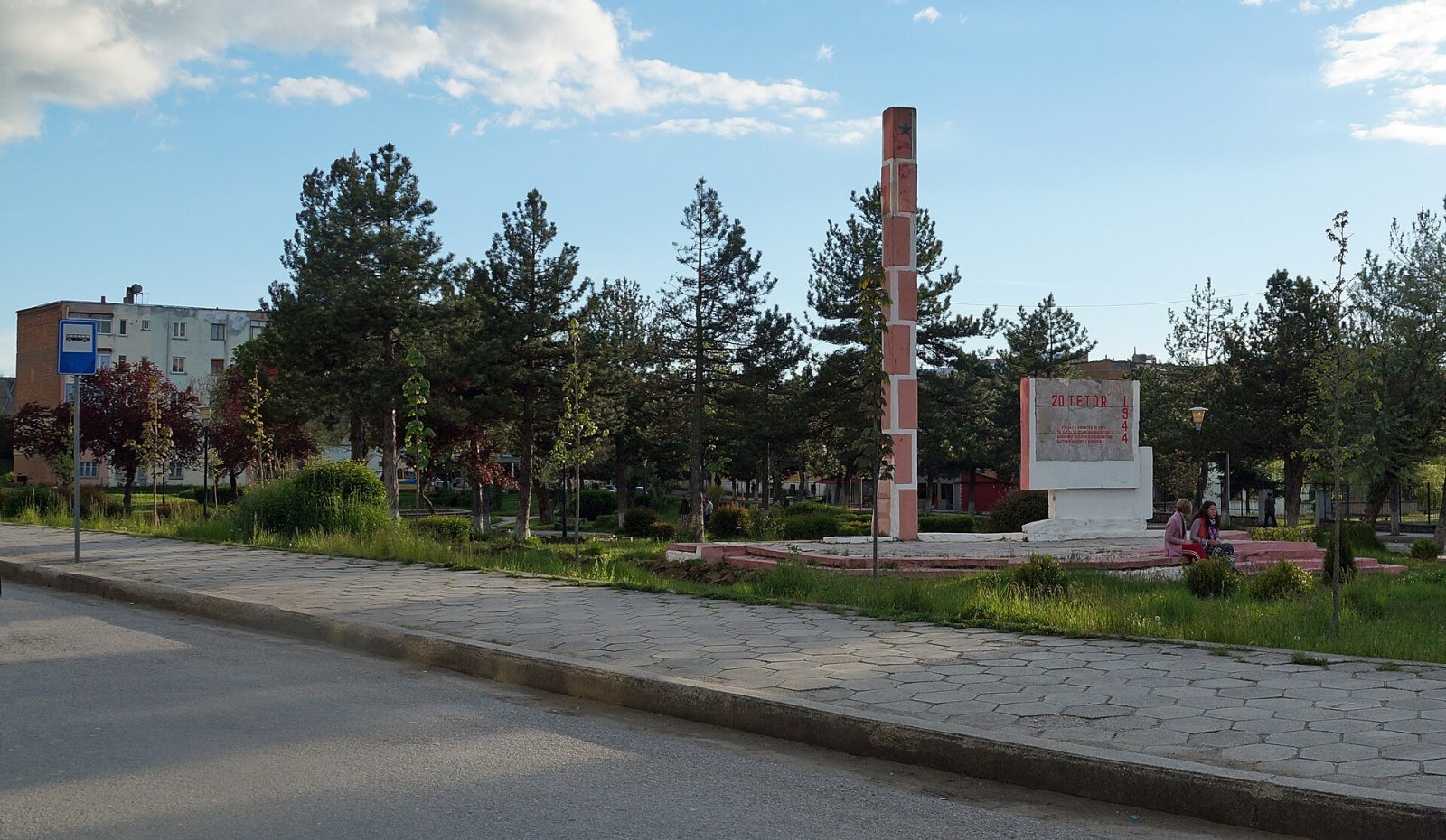
In the heart of Albania, a lesser-known yet historically significant place stands silently: Lapidar. This site, which hosts the remains of an extinct genus of trilobites, offers a fascinating window into an era that dates back over 470 million years. Its location, at approximately 41.3302569 latitude and 19.8245460 longitude, makes it accessible to those wishing to explore the geological and paleontological treasures of the country.
Lapidar is not only a place of interest for natural history enthusiasts but also represents an opportunity to reflect on the evolution of life on Earth. The history of this site is intricate and captivating, as trilobites, once dominant in the oceans, tell us about the diversity of life and the changes our planet has undergone over the millennia.
History and Origins
Trilobites, such as those belonging to the genus Lapidaria, lived during the Ordovician period, a time characterized by an explosion of marine life. These organisms, with their segmented bodies and hard carapaces, were among the first animals to develop a complex structure. Their extinction, which occurred millions of years ago, marks a crucial phase in the history of life on Earth. Lapidar, with its fossils, provides tangible evidence of this ancient era and the biodiversity that characterized it.
The discovery of fossil remains at Lapidar is of great significance to paleontologists, as it allows for the reconstruction of the marine environment of the time and a better understanding of the evolution of ecosystems. This place, therefore, is not just a tourist attraction but an important site for research and study that continues to reveal new secrets about prehistoric life.
Elements to Observe
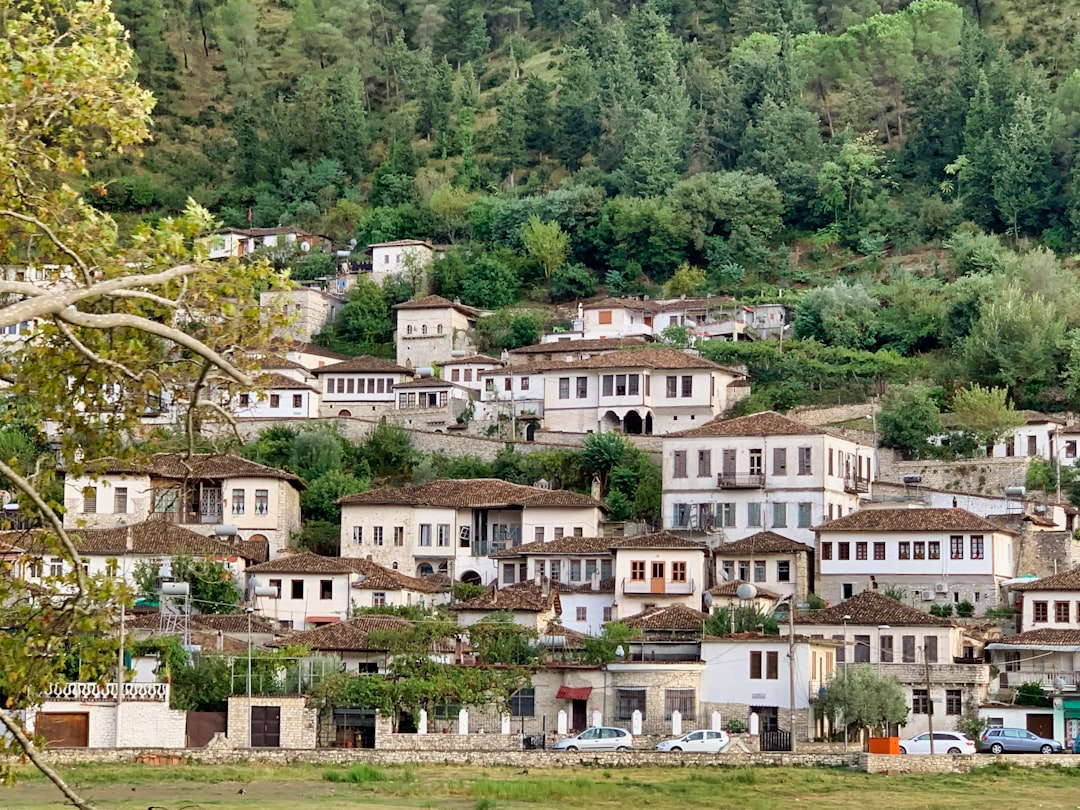
Visiting Lapidar means immersing oneself in a unique geological context. The fossil remains of trilobites are the main point of interest, but the surrounding landscape, characterized by hills and valleys, also offers beautiful natural scenery. Geology enthusiasts can observe the rock layers and different sediment strata that tell the story of the Earth. Every rock, every fossil, is a piece of a puzzle that helps us understand the past.
Moreover, the site is an opportunity to explore the current flora and fauna of Albania, which, although very different from that of the Ordovician period, provides insight into how life has evolved over time. Walking among the fossilized ruins and the surrounding landscape is an experience that invites reflection and wonder.
Why It Is Interesting Today
Lapidar represents an important resource for the scientific community and curious visitors. Ongoing research at this site helps illuminate the dynamics of prehistoric life and provides insights into current ecological challenges. In an era where climate change and biodiversity loss are urgent issues, studying the past can offer valuable lessons for the future.
Furthermore, the site is an example of how natural history can attract visitors from around the world. The combination of science, history, and natural beauty makes Lapidar a fascinating place to explore, not only for experts but also for anyone wishing to expand their knowledge and appreciate the wonderful complexity of life on Earth.
Practical Information for Visitors
For those wishing to visit Lapidar, it is advisable to plan the trip in advance. The location is easily accessible and offers various exploration opportunities. It is useful to check the weather conditions and appropriate clothing, as the site is situated in a mountainous area. Bringing a camera is a must, as every corner of the landscape offers opportunities for unforgettable shots.
Additionally, it is recommended to take time to explore the surroundings of Lapidar, which offer other historical and natural attractions. Combining a visit to this site with other cultural and natural experiences will enrich the stay in Albania. For those who wish to delve deeper, the Secret World app can be a useful tool for discovering other hidden gems of the country.


