


In the heart of Albania, amidst breathtaking landscapes and a rich cultural heritage, lies Lapidar, a place that tells stories of distant geological eras. This location, although not among the most well-known tourist destinations, offers a unique opportunity to explore the Earth's past through its fossils, particularly the extinct genus of trilobites known as Lapidaria. Experiencing Lapidar means immersing oneself in a time dimension that spans from 478 to 471 million years ago, when these extraordinary organisms populated the primordial oceans.
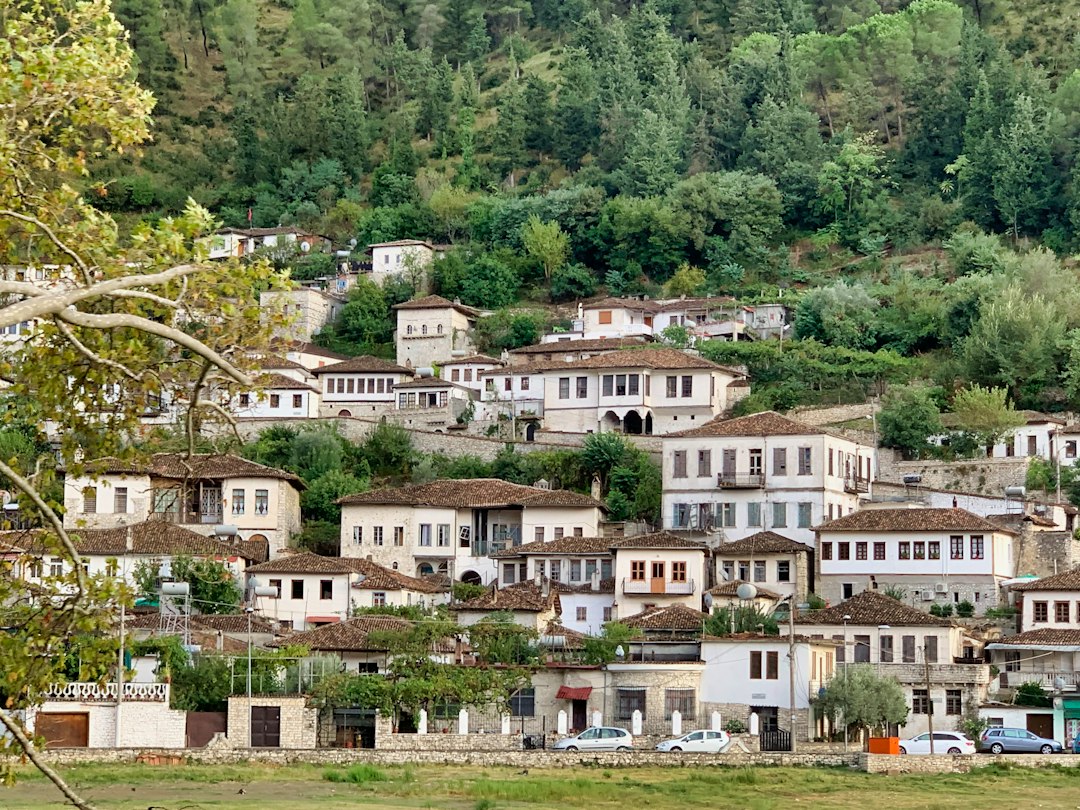
Lapidar is not just a site of paleontological interest; it is also a symbol of Albania's rich natural history. The region, with its rock formations and landscapes that speak of ancient marine eras, provides a perfect context for history and nature enthusiasts. A visit to this place invites reflection on the transformations of our planet and the evolution of life.
History and Origins
The genus Lapidaria, belonging to the vast family of trilobites, represents an important testament to the biodiversity that characterized the oceans during the Ordovician period. These marine organisms, equipped with a segmented exoskeleton, were among the first animals to develop a complex structure, witnessing the evolution of life on Earth. Therefore, Lapidar is not just a name, but a piece of history that speaks to us of a time when life was very different from what we know today.
The discovery of Lapidaria fossils in this region has allowed for the reconstruction not only of the morphology of these animals but also for a better understanding of the marine ecosystems of the past. Scientists have been able to analyze the fossil remains to gain valuable insights into how these organisms interacted with their environment, thus contributing to a broader understanding of the history of life on Earth.
Elements to Observe
Visiting Lapidar, travelers can observe the rock formations that host trilobite fossils, a true open-air museum. The rocks, which tell of ancient marine currents and a vibrant ecosystem, are an irresistible draw for geologists and paleontology enthusiasts. Each layer of rock has a story to tell, and each fossil is a clue as to how life has evolved over millions of years.
Moreover, the surrounding area offers spectacular views, with hills and valleys stretching to the horizon. Visitors can stroll along paths that wind through the rock formations, enjoying an atmosphere of tranquility and contemplation while immersing themselves in the geological history of the region.
Why It Is Interesting Today
Today, Lapidar represents not only an important study area for scientists and researchers but also a place of interest for those wishing to better understand our planet and its history. The growing attention towards natural and cultural heritage has made this site a landmark for ecotourism and scientific tourism. Visitors can learn about the importance of fossil conservation and geological heritage, contributing to awareness about environmental protection.
In an era where climate change and biodiversity loss are pressing issues, exploring places like Lapidar can provide insights into how human actions influence our environment. A visit to this site is not just a journey through time but also an opportunity to reflect on our role in the history of the Earth.
Practical Information for Visitors
To reach Lapidar, visitors can use local transport that connects the main Albanian cities. Once there, it is advisable to wear comfortable shoes and bring water and snacks, as the area is ideal for hiking and walking. Don't forget to bring a camera to capture the views and details of the fossils that can be encountered along the way.
Finally, for those wishing to deepen their experience, the Secret World app offers a wide range of information and tips on how to best explore this fascinating corner of Albania, making the visit to Lapidar even more memorable.


