
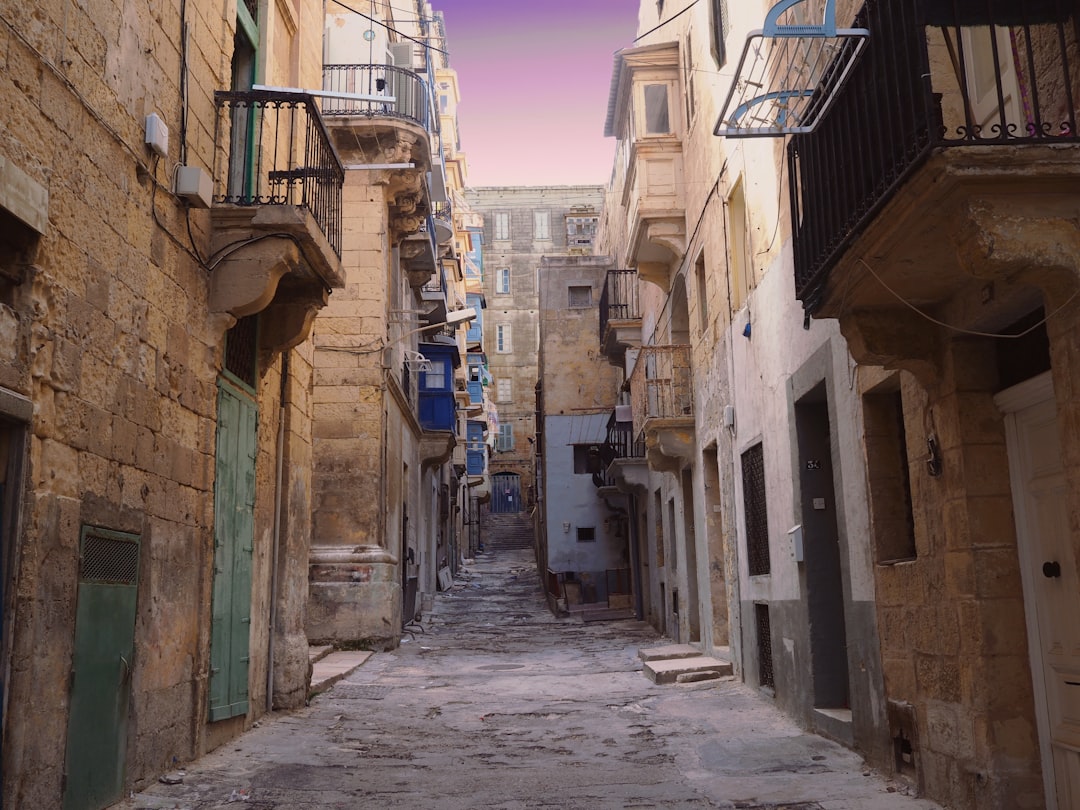

A few meters below the streets of Valletta, carved into the limestone that forms the heart of the Maltese capital, lies a labyrinth of tunnels that during World War II hosted one of the nerve centers of Allied military operations in the Mediterranean. The War Rooms Lascaris — known in Italian as Stanze di Guerra Lascaris — are not a museum reconstruction nor a replica: they are the original environments, with the plotting tables, telephones, maps, and communication tools still in their place, exactly as they were left by the Allied officers decades ago.
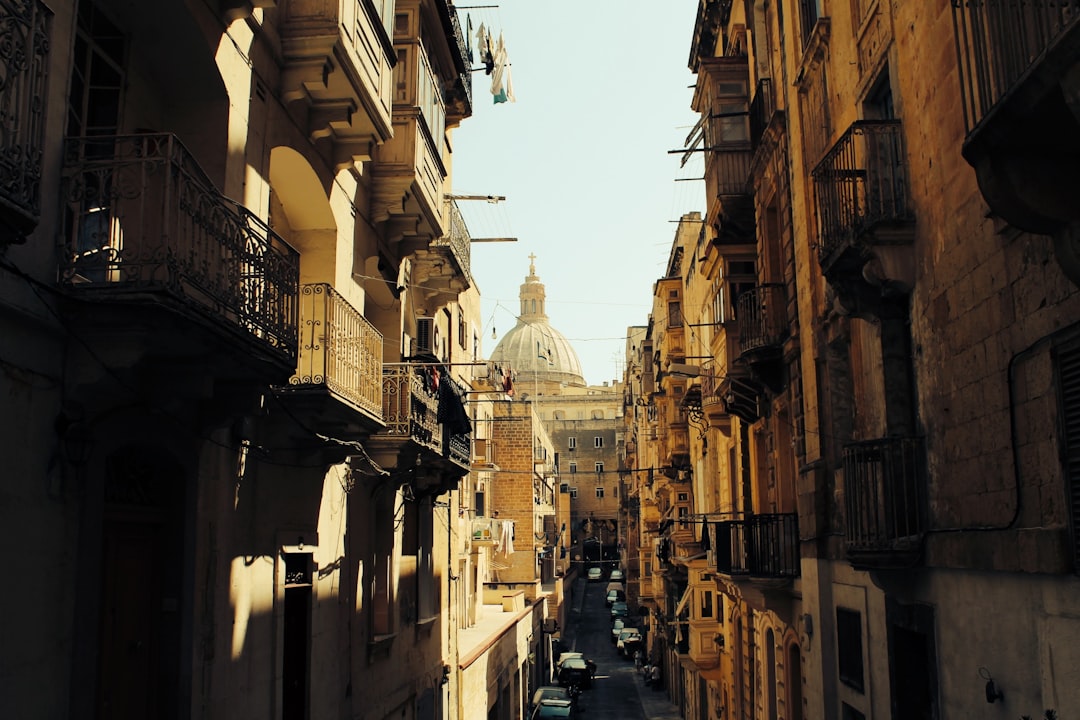
The complex takes its name from the Lascaris Bastion, one of the mighty defensive structures built by the Knights of St. John in the 17th century. During the world conflict, these tunnels became the headquarters of the Allied Command for the Mediterranean, from which decisive operations such as the Operation Husky of 1943, the landing in Sicily that marked a turning point in the war in Europe, were coordinated. From 1943, General Dwight D. Eisenhower and Admiral Andrew Cunningham operated from these same underground environments.
What to see: the original operations rooms
The most extraordinary element of the War Rooms is their authenticity. Entering the galleries — the temperature remains constant around 18 degrees even in summer, making the visit pleasant even in the hottest months — the visitor finds themselves in front of operations rooms that seem to have been abandoned just yesterday. The plotting tables, the large tables on which the operators of the WRNS (Women's Royal Naval Service) moved symbols and indicators to track the movements of ships and aircraft in the Mediterranean, are still there, with their rulers and game pieces.
On the walls are original maps of the Mediterranean, with handwritten annotations still legible. Field telephones, radio equipment, and internal communication systems complete a picture of rare completeness. Some rooms are equipped with mannequins in uniform that reproduce operational scenes, helping the visitor to imagine the frantic pace of those months of war. The guided tour — included in the ticket — lasts about 45-60 minutes and provides the historical context necessary to understand the strategic importance of each environment.
The historical context: Malta as a Mediterranean fortress
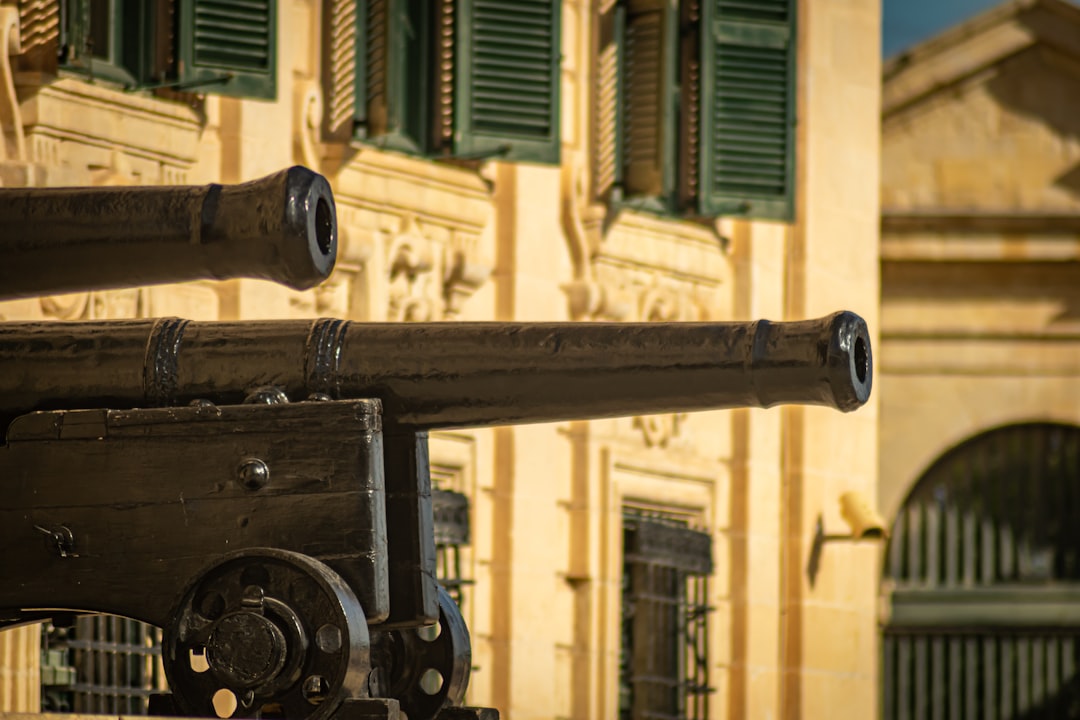
To understand the War Rooms, one must understand Malta during the war. The island was one of the most bombed areas of the conflict: between 1940 and 1942, it suffered over 3,000 air raids, so much so that in 1942 King George VI collectively awarded the Maltese population the George Cross, the highest British civilian honor. In this context of siege, the tunnels beneath Valletta were not just a tactical choice but a necessity for survival: the limestone offered natural protection against the bombings that devastated the city above.
The galleries were connected to a larger network of tunnels that run beneath Valletta, some dating back to the time of the Knights. During the visit, the guides explain how the military personnel — composed of British, American, and Maltese officers — lived and worked in these cramped spaces for consecutive weeks, coordinating naval and air operations over a theater of war that extended from the Atlantic to the Middle East.
How to visit the Lascaris War Rooms
The Lascaris War Rooms are located within the Lascaris War Rooms, accessible from the Lower Barrakka Gardens area or by following the signs from the Grand Harbour area. The site is managed by a non-profit foundation and the entrance ticket costs around 10-12 euros for adults, with discounts for students and children. The visits are guided and start at regular times throughout the day.
The most useful practical advice: book in advance online, especially during the summer months from June to September, when Valletta experiences a high influx of tourists and groups can quickly fill available spots. The visit requires descending some flights of stairs and moving through relatively narrow corridors, which can be difficult for those with mobility issues. Bring a light extra layer: the contrast between the outside heat and the constant temperature of the tunnels can be surprising. Allow at least an hour and a half for the complete visit, including time to read the information panels and observe the details of the original instruments.
Why it is worth the visit
In a museum landscape often dominated by reconstructions and scenic displays, the Lascaris War Rooms offer something rarer: the concrete feeling of being in a place where history truly happened, with the original objects still in their place. It is not the grandeur of the spaces that strikes — the tunnels are austere and functional — but the density of meaning that each table, each telephone, each map carries with it.
For those visiting Valletta — a UNESCO World Heritage city since 1980 — the War Rooms represent an essential complement to understanding contemporary Maltese identity, deeply marked by the experience of war and the pride in the collective resistance of those years.


