



Nestled within the vibrant tapestry of Bali, Indonesia, lies lawar, a traditional dish that is a feast for both the palate and the soul. This intricate mix of finely chopped meat, fresh vegetables, grated coconut, and a medley of spices is more than just food; it is a culinary emblem of Balinese culture and history. Its origins can be traced back to the island's rich agricultural practices and deep spiritual beliefs, dating back to the 9th century when Hinduism began to shape the cultural landscape of Bali.

Historically, lawar was often prepared for ceremonial occasions, linking it to important cultural events and rites of passage. The dish has evolved through generations, with local variations reflecting the diverse agricultural bounty of the region. Red lawar, which incorporates fresh blood, offers a robust flavor profile, whereas the white lawar is a vegetarian counterpart, typically devoid of any meat or blood. This distinction is significant, as the preparation of lawar often aligns with the occasion it is meant to celebrate, whether it's a temple festival or a family gathering.
The art of preparing lawar is itself a cherished tradition. In Bali, cooking is often seen as a form of spiritual expression. The meticulous process of chopping, mixing, and seasoning not only results in a delicious dish but also serves to strengthen community bonds. Local women often gather to prepare lawar, turning the cooking process into a social event marked by laughter, storytelling, and shared knowledge.
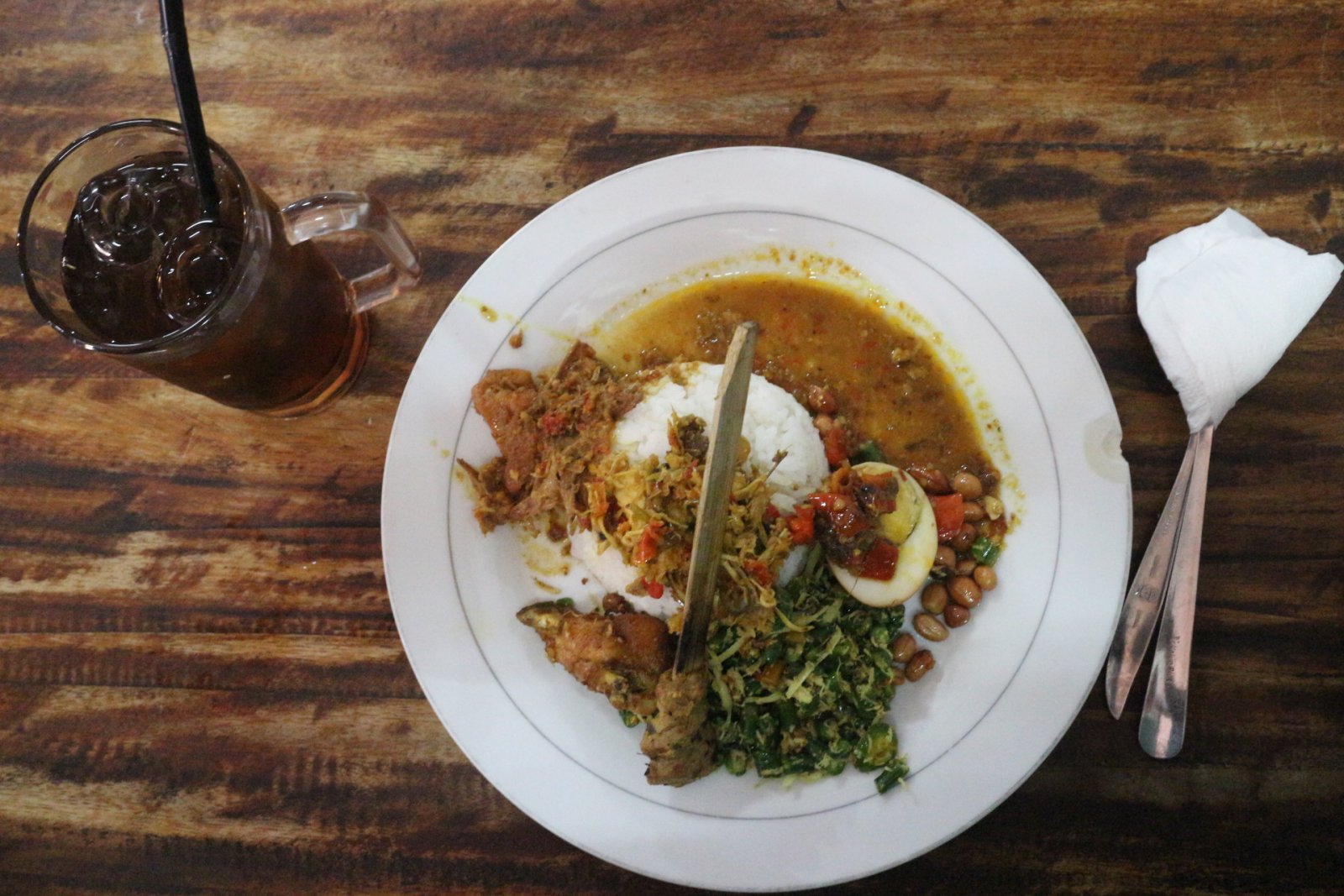
Architecturally, the spaces where lawar is prepared often reflect the rich cultural heritage of Bali. Traditional Balinese kitchens, known as ‘bale’, are open-air structures that facilitate communal cooking. These spaces are adorned with intricate carvings and decorations that narrate stories from Hindu mythology, emphasizing the connection between food and spirituality. Notable artworks, such as the sacred Barong masks, complement these spaces, highlighting the deep intertwining of culinary and artistic traditions.
Festivals in Bali, such as Nyepi (the Day of Silence), showcase the significance of lawar in local customs. During these celebrations, lawar is often prepared as an offering to the gods, symbolizing gratitude for the bountiful harvest. The preparation of lawar during such times is not merely about sustenance; it embodies the Balinese philosophy of Tri Hita Karana, which emphasizes harmony among people, nature, and the divine.
When visiting Bali, indulging in lawar is an essential gastronomic experience. Beyond the traditional dish, the island is a treasure trove of culinary delights. Dishes like nasi goreng (fried rice) and sate lilit (minced meat satay) complement the rich flavors of lawar, creating a culinary journey that reflects the island’s agricultural heritage. Pair these with local drinks such as brem (fermented rice wine) to enhance your dining experience.
For those seeking hidden gems, there are intriguing aspects of lawar that many tourists may overlook. For instance, some villages have unique recipes that incorporate local ingredients like wild ferns or jackfruit, showcasing the adaptability of this dish. Moreover, some families have secret spices passed down through generations, making their version of lawar distinctly their own. Engaging with locals can unveil these unique stories and flavors that often remain hidden from the average tourist.
The best time to visit Bali for a complete culinary experience is during the dry season from April to October. This period not only offers ideal weather for exploring, but also coincides with various cultural festivals where lawar is prominently featured. To fully appreciate the dish, consider taking part in a cooking class that allows you to learn from locals, gaining insights into the preparation of lawar and other Balinese delicacies.
In conclusion, lawar is more than just a dish; it is a vibrant expression of Bali's cultural identity, steeped in history and tradition. Each bite tells a story of the island’s agricultural roots and its rich customs, making it a must-try for anyone visiting this beautiful destination. To plan a personalized itinerary that includes the best culinary experiences in Bali, consider using the Secret World app for a tailored journey.
