



Nestled in the serene expanse of the Schleswig-Holstein Wadden Sea, the Halligen islands are a remarkable testament to human resilience and adaptability. These unique islands, part of a UNESCO World Heritage Site since 2009, are not only scenic but steeped in history, culture, and natural beauty.

The Halligen's origins trace back to the early Middle Ages when they were formed by the relentless forces of wind and water. These islands have long been shaped by the North Sea's tempestuous nature, with many historians suggesting that the name "Hallig" derives from the Old Norse word "holl," meaning "high ground." Over the centuries, the Halligen have endured numerous devastating storms, including the infamous All Saints’ Flood of 1570, which claimed lives and transformed the landscape. Remarkably, the islands have remained inhabited, showcasing the tenacity of their communities who adapted to the ever-changing tides.
Architecturally, the Halligen present a fascinating tableau of traditional Frisian styles. The houses, known as “Warften,” are built on artificial mounds to protect against flooding, creating a surreal effect when the sea surrounds them at high tide. This practice dates back centuries, with the earliest structures dating to the 17th century. The most notable island, Hooge, is home to the Königshaus, a charming building adorned with blue and white tiles, baroque frescoes, and rich legends of a Danish king seeking refuge during a storm. This architectural gem encapsulates the islands' history, inviting visitors to explore its storied past.
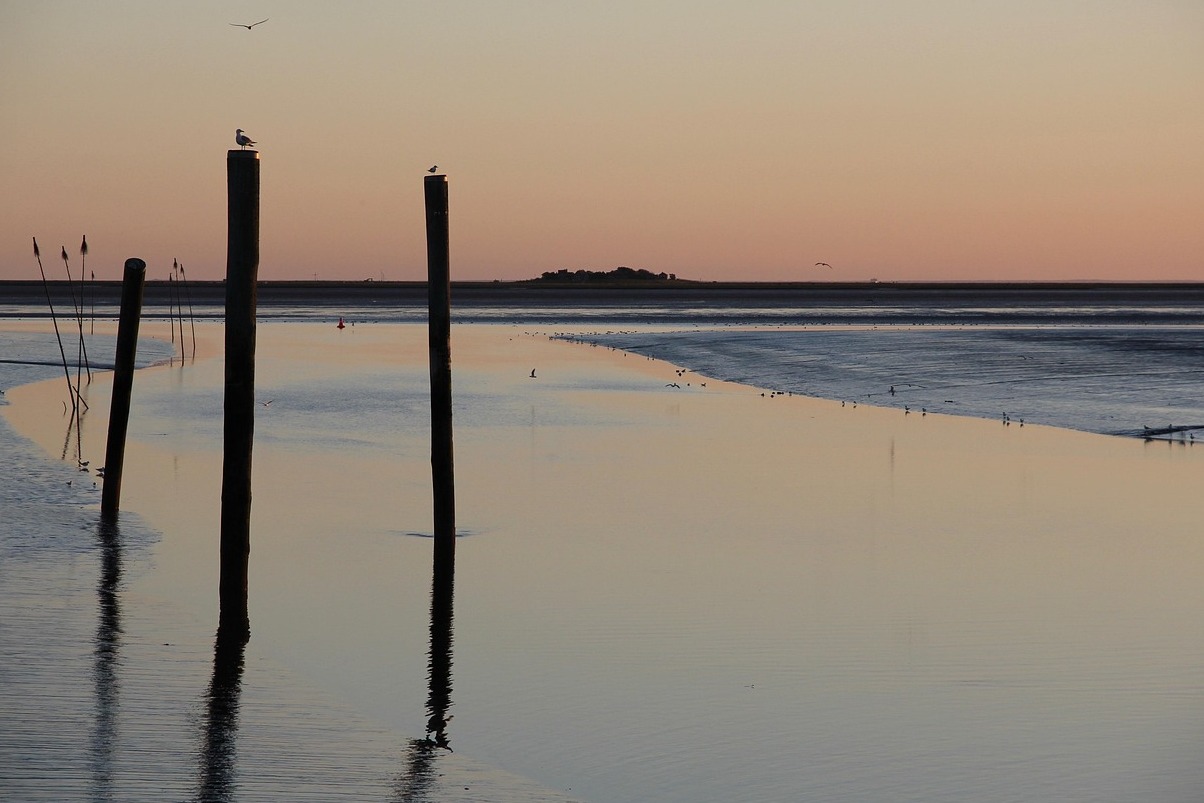
Local culture thrives on the Halligen, where traditions are woven into the fabric of daily life. The islanders celebrate a variety of festivals, with the most significant being the Halligfest, held annually in early August. This vibrant celebration showcases traditional Frisian music, dance, and crafts, offering visitors a glimpse into the islanders' communal spirit. Another key aspect of Halligen culture is their reliance on the sea, with fishing and sheep herding forming the backbone of their livelihoods. Visitors may witness the herding of the unique Hallig sheep, a breed known for its resilience in the harsh coastal environment.
When it comes to gastronomy, the Halligen offer a delightful taste of the North Sea. Local culinary specialties include “Friesentorte,” a rich cream cake often enjoyed during festivities, and fresh seafood, particularly crab and herring, which are celebrated in numerous local dishes. The islands also boast a unique herbal liqueur called “Halliggeist,” crafted from local plants and herbs, perfect for warming the soul on chilly evenings.
Beyond the obvious beauty and history, the Halligen hold many lesser-known curiosities that enrich the experience of visiting. For instance, the islands are home to a unique ecosystem, supporting diverse wildlife, including migratory birds and seal populations. Nature enthusiasts can partake in guided tours that explore the intricate tidal flats and their ecological significance. Additionally, local folklore is rich with tales of mermaids and sea monsters, which are recounted during storytelling evenings, captivating both young and old.
The best time to visit the Halligen is undoubtedly during the summer months, from June to September, when the weather is mild, and the islands emerge in all their verdant glory. During this time, day trips from nearby Husum are popular, with ferries connecting the islands seamlessly. Visitors should take advantage of the low tide to explore the fascinating mudflats, where they can discover the rich marine life that thrives just below the surface. It is also advisable to check tide schedules to plan activities accordingly, ensuring you experience the islands both at high and low tide.
For those looking to explore hidden gems and create a personalized travel experience, consider using the Secret World app to help craft your ideal itinerary while visiting the enchanting Halligen.
