
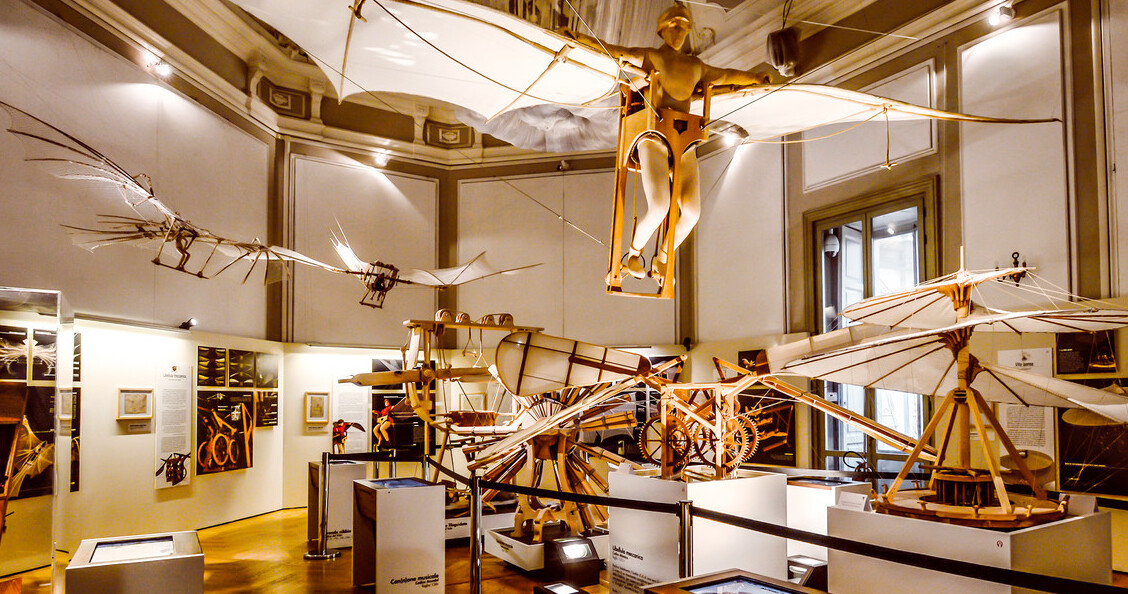

In the quaint town of Vinci, nestled in the Tuscany region of Italy, a treasure trove of innovation and artistry awaits. The Leonardo da Vinci Museum stands as a tribute to one of history’s most brilliant minds, showcasing the genius of a man who redefined the boundaries of art and science.
The roots of this museum can be traced back to Vinci’s rich history. The town itself was founded in the medieval period, with evidence of habitation dating back to the Etruscans. However, it is Leonardo’s birth in 1452 that defined its legacy. Born in a farmhouse just outside the town, Leonardo’s early years were shaped by the lush landscapes of the Montalbano hills and the Arno River. The museum, established in 1953, has since grown into one of the largest and most original collections dedicated to Leonardo's life and inventions, housed in two significant structures: the Palazzina Uzielli and the Castello dei Conti Guidi.
Architecturally, the museum is a blend of Renaissance and medieval styles. The Palazzina Uzielli, a 19th-century building, serves as the entry point, leading visitors through exhibits that explore machines used in construction, textiles, and clockwork. The Castello dei Conti Guidi, a medieval castle, adds a sense of grandeur and historical weight, with its stone walls and defensive towers offering a glimpse into the past. Notable artworks include a collection of Leonardo’s models based on his drawings, including a majestic 1:2 scale working model of the crane designed by Filippo Brunelleschi for the dome of the Florence Cathedral.
As you wander through the museum, the atmosphere pulsates with the essence of local culture and tradition. Vinci celebrates its heritage with various festivals, most notably the Festa di Leonardo in April, which honors the artist with exhibitions, performances, and local crafts. The town’s charm lies not only in its historical significance but also in its commitment to preserving the legacy of its most famous son. Visitors can often see artisans practicing traditional crafts, a testament to the enduring influence of Leonardo's innovative spirit.
When it comes to gastronomy, Vinci offers a delightful array of Tuscan flavors. The region is renowned for its olive oil, which is often referred to as "liquid gold" due to its quality. Local dishes frequently feature pici, a hand-rolled pasta typically served with garlic and tomato sauce, or a rich wild boar ragù. Pair your meal with a glass of Chianti or Vin Santo, a sweet dessert wine, to truly savor the local culinary experience.
For those who think they know all about Leonardo, the museum holds some lesser-known curiosities. One fascinating fact is that many of Leonardo’s inventions, such as the helicopter and the robotic knight, were centuries ahead of their time, displaying his remarkable foresight. In the Sala del Podestà, visitors can marvel at Leonardo’s studies in optics, which influenced not only his painting techniques but also laid the groundwork for modern optics.
Planning your visit to the Leonardo da Vinci Museum? The best times are during the spring and autumn months, when the weather is mild, and the crowds are thinner. Don’t forget to ascend to the panoramic terrace atop the castle tower, where breathtaking views of the Montalbano hills and the fertile landscape of the Arno Valley await.
As you explore, take your time to appreciate the intricate details of the models and the thoughtful presentation of Leonardo’s inventions. Consider joining a guided tour for deeper insights into the exhibits and to learn more about the life of this enigmatic genius.
In a town where history, art, and culture intertwine, the Leonardo da Vinci Museum stands as a beacon of inspiration. For a personalized itinerary that captures the essence of Vinci, consider using the Secret World app to plan your visit.


