



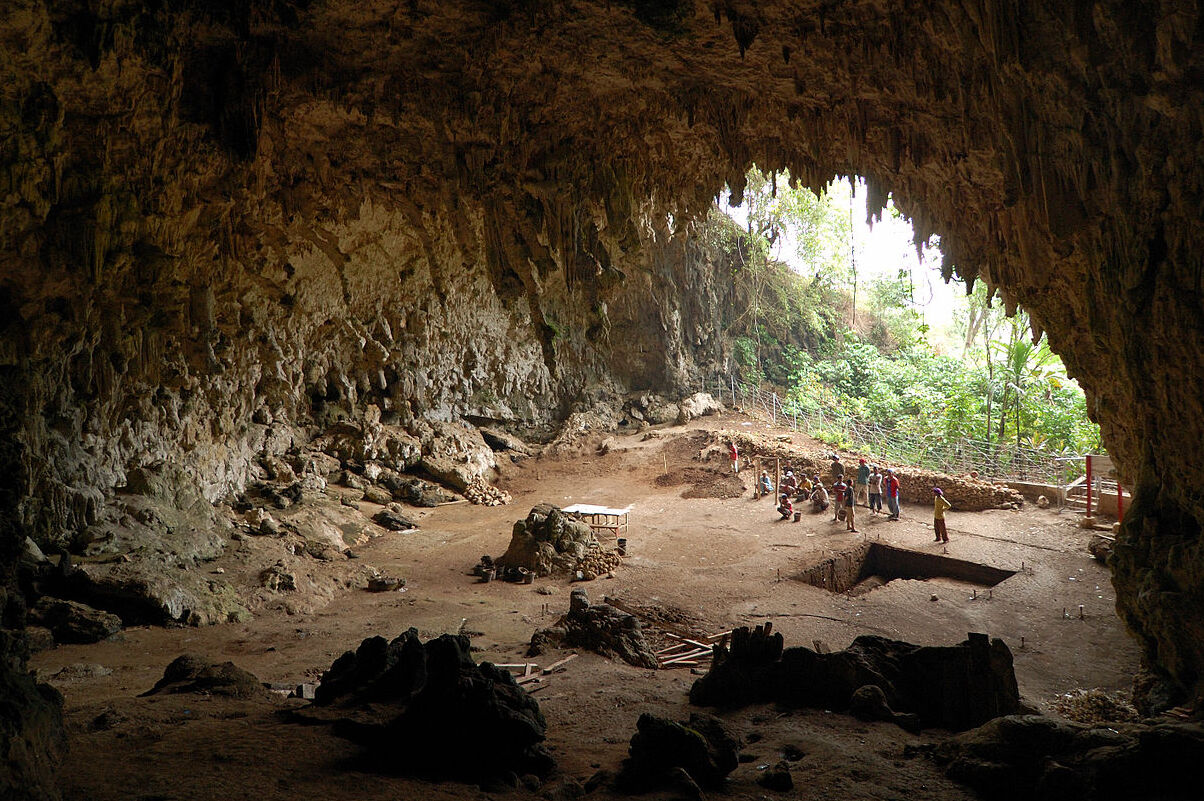
Nestled within the rugged landscape of Flores, Indonesia, Liang Bua is not just a limestone cave; it is a treasure trove of history and a captivating site for both archaeologists and curious travelers. This remarkable cave, located slightly north of the town of Ruteng in Manggarai Regency, has become synonymous with significant discoveries that have reshaped our understanding of human evolution.
The history of Liang Bua stretches back thousands of years, embedded deep within its limestone walls. The cave was formed around two million years ago, a geological marvel shaped by the forces of nature. However, it wasn't until 2003 that Liang Bua shot into the spotlight of the scientific community. During an excavation led by Thomas Sutikna, a field coordinator from Indonesia, the remains of what was later named Homo floresiensis were uncovered. The fossils, identified as LB1, LB2, and so forth, represented a species that stood about one meter tall, leading to its affectionate nickname, the "Hobbit." This discovery provided a tantalizing glimpse into a previously unknown chapter of human evolution, as Homo floresiensis coexisted with modern humans on Flores as recently as 50,000 years ago.
The architectural aspect of Liang Bua is modest yet significant, as the cave's natural formations create an otherworldly ambiance. Stalactites and stalagmites adorn the cavern, and the interplay of light and shadow within its chambers evokes a sense of mystery. While there are no man-made structures within the cave, its geological formations serve as a canvas for the artistry of nature, drawing visitors into a world untouched by time. The cave itself is a testament to the enduring power of the Earth, with layers of history etched into the rock.
Local culture and traditions in Flores are as rich as its geological history. The people of Flores, particularly the Manggarai, have a vibrant cultural heritage that includes intricate weaving, traditional music, and dance. Festivals such as Pasola celebrate the end of the rice planting season, where horsemen engage in a friendly yet fierce competition. This event is not only a spectacle but also a vital expression of community and agricultural life. The Liang Bua cave and its surroundings are often woven into local myths, with the cave itself seen as a sacred space.
When it comes to gastronomy, Flores boasts a unique culinary landscape. The island is known for its spicy dishes, heavily influenced by local produce and spices. A must-try is ikan bakar (grilled fish) seasoned with a variety of herbs, alongside nasi jagung (corn rice), a staple in many local households. Sate Komoh, skewered meat marinated in a rich sauce, showcases the island's vibrant flavors. Visitors may also savor traditional drinks such as arak, a local spirit distilled from palm sap, which is often enjoyed during celebrations.
Beyond the mainstream attractions, Liang Bua holds lesser-known curiosities that surprise even the most seasoned travelers. One notable fact is that the cave was once home to giant rats and pygmy elephants, remnants of a time when its ecosystem was vastly different. Furthermore, the discovery of two hominin teeth in 2010 and 2011, dating back approximately 46,000 years, suggests that Homo sapiens also roamed these lands, adding another layer of intrigue to the cave's history. These findings highlight the cave as a crucial site for understanding human migration and adaptation.
If you’re planning a visit to Liang Bua, the best time to explore this geological wonder is during the dry season, from April to October. The weather during these months is typically pleasant, making it ideal for trekking and outdoor exploration. Be sure to wear sturdy footwear, as the area around the cave can be rugged. While the cave itself is the main attraction, the surrounding landscapes and local villages offer a glimpse into the daily lives and traditions of the Manggarai people.
Visitors should not miss the opportunity to engage with local guides who can share insights about the cave's significance and the surrounding flora and fauna. The experience of exploring Liang Bua is as much about the journey as it is about the destination, with every corner of this mystical cave echoing stories of our ancient past.
As you embark on this adventure, consider using the Secret World app to craft a personalized itinerary that enriches your exploration of this fascinating region.
