



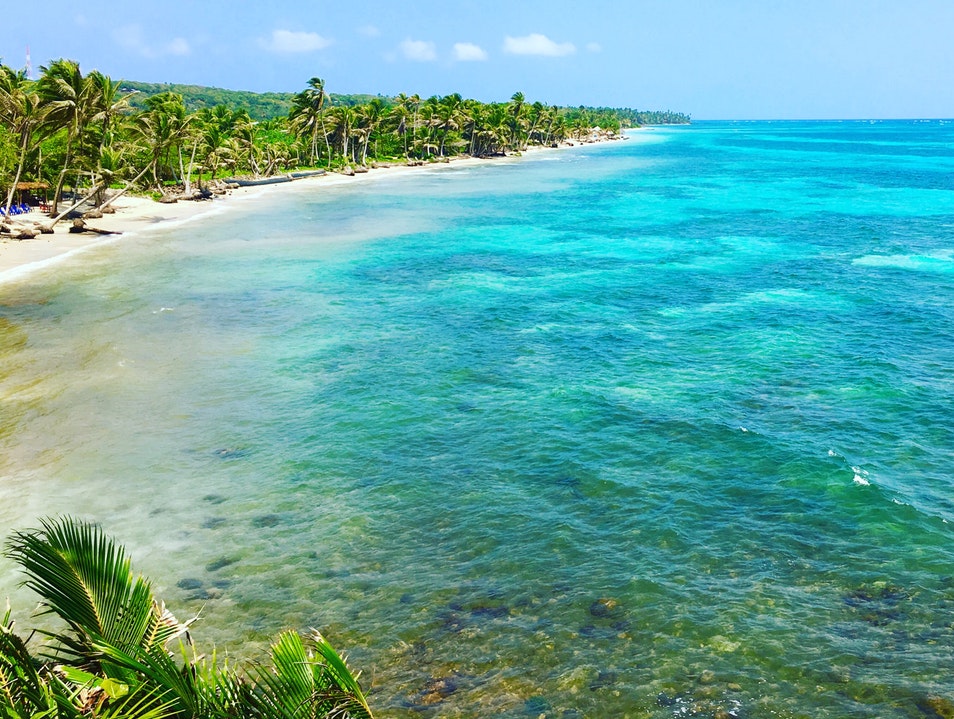
Little Corn Island, a hidden gem in Nicaragua, offers a taste of authentic Caribbean life untouched by modernity. This enchanting island, part of the Corn Islands archipelago, has a rich history, a vibrant local culture, and stunning natural beauty that draws travelers seeking serenity and authenticity.
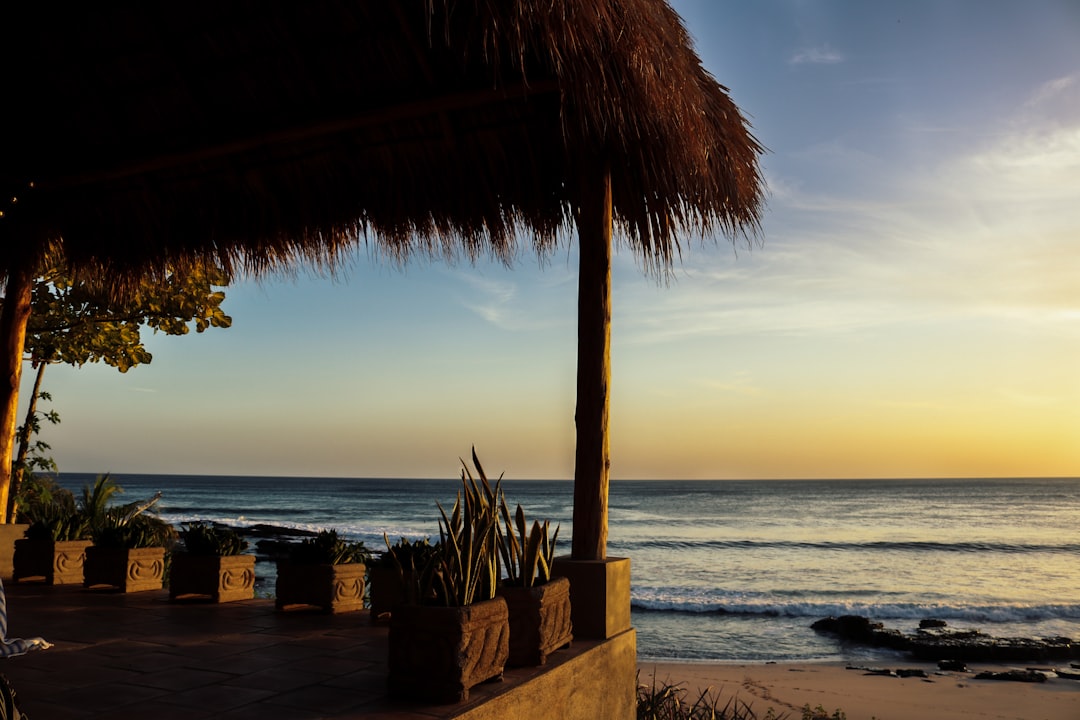
History and Origins Little Corn Island's story stretches back to ancient times, when it was inhabited by the Miskito people, a group indigenous to the region. The island has been a part of various colonial endeavors, first sighted by the Spanish in the 16th century. It later became a refuge for pirates and buccaneers who roamed the Caribbean. In the late 19th century, the island was annexed by Nicaragua, becoming an essential outpost for the fishing and coconut industries. Its history is layered with tales of resilience and adaptation, as the local population has weathered the storms of colonialism, natural disasters, and economic changes.
Art and Architecture The architecture of Little Corn Island is a reflection of its rich cultural tapestry, blending Caribbean styles with influences from its indigenous roots. Colorful wooden houses, often adorned with intricate carvings, line the sandy paths. Notable structures include the small, charming churches that dot the landscape, such as the Iglesia de la Asunción, showcasing vibrant murals that narrate biblical stories through local artistic interpretations. Art is also woven into everyday life, with local artisans crafting jewelry and textiles that reflect both traditional techniques and contemporary designs, making them sought-after items for visitors.
Local Culture and Traditions The essence of Little Corn Island lies in its vibrant local culture, deeply influenced by its indigenous heritage and Afro-Caribbean roots. Traditional customs are preserved through community gatherings, where locals engage in storytelling, music, and dance. The annual Fiesta de San Pedro, held every June, is a highlight where music fills the air, and locals participate in boat races and cultural displays. This celebration not only honors the patron saint of fishermen but also strengthens community bonds and celebrates the island's fishing traditions.
Gastronomy Culinary experiences on Little Corn Island are a delightful exploration of flavors. Freshly caught seafood dominates local menus, with dishes such as coconut fish, where the catch of the day is cooked in creamy coconut milk, and rondon, a traditional stew made with fish, coconut, and vegetables. Street vendors offer tostones (fried plantains) and sopa de mariscos (seafood soup), while rum-based cocktails are a must-try to enjoy while watching the sunset. Don’t miss the chance to sip on fresco de cacao, a refreshing drink made from local cacao beans that captures the island’s essence.
Lesser-known Curiosities Despite its idyllic charm, Little Corn Island has its share of hidden stories. For instance, the island is home to a unique species of sea turtle, the Hawksbill, which is endangered but can be seen nesting along its beaches during the right season. The island's relatively untouched nature also makes it a haven for bioluminescent plankton, creating mesmerizing displays in the water at night. Many visitors are unaware that the island has a small community of local artisans who specialize in crafting traditional Miskito canoes, a skill passed down through generations, showcasing the island's commitment to preserving its heritage.
Practical Visitor Information The best time to visit Little Corn Island is during the dry season, from December to April, when the weather is pleasantly warm, and the waters are calm for snorkeling and diving. To reach the island, travelers typically take a panga (small boat) from Big Corn Island, which is accessible by a short flight from the mainland. While on the island, walking or biking is the preferred mode of transport, allowing visitors to soak in the natural beauty and local life. It's advisable to bring cash, as many local businesses do not accept credit cards, and to respect local customs, ensuring a warm interaction with the islanders.
For an unforgettable experience tailored to your interests, consider using the Secret World app to create a personalized itinerary for your visit to this Caribbean treasure.
