
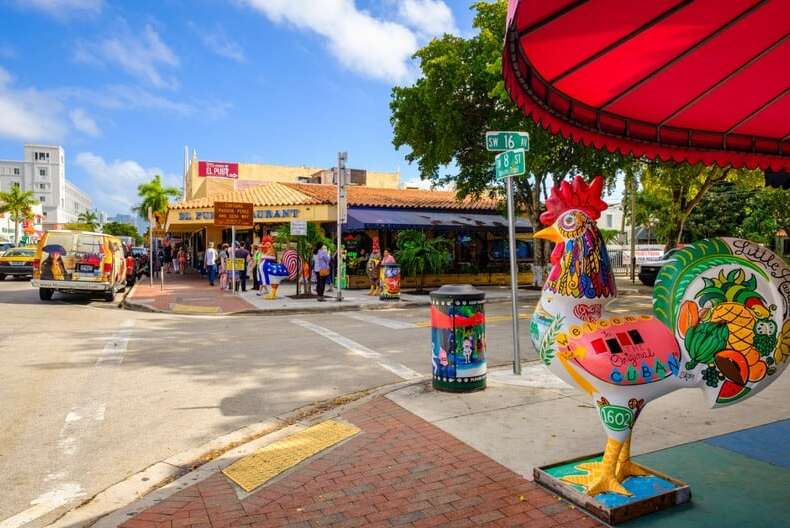

Little Havana (or La Pequeña Habana) is a vibrant district in Miami that serves as the heart of the largest Cuban and Latino community in the world. This lively neighborhood bursts with culture, music, and history, all centered around its iconic Calle Ocho. To truly appreciate Little Havana, one must delve into its rich history and origins. Established in the 1960s, the area became a refuge for Cuban exiles fleeing Fidel Castro’s regime. As the Cuban population flourished, so did the local culture, contributing to a unique blend of traditions that remain vibrant today.
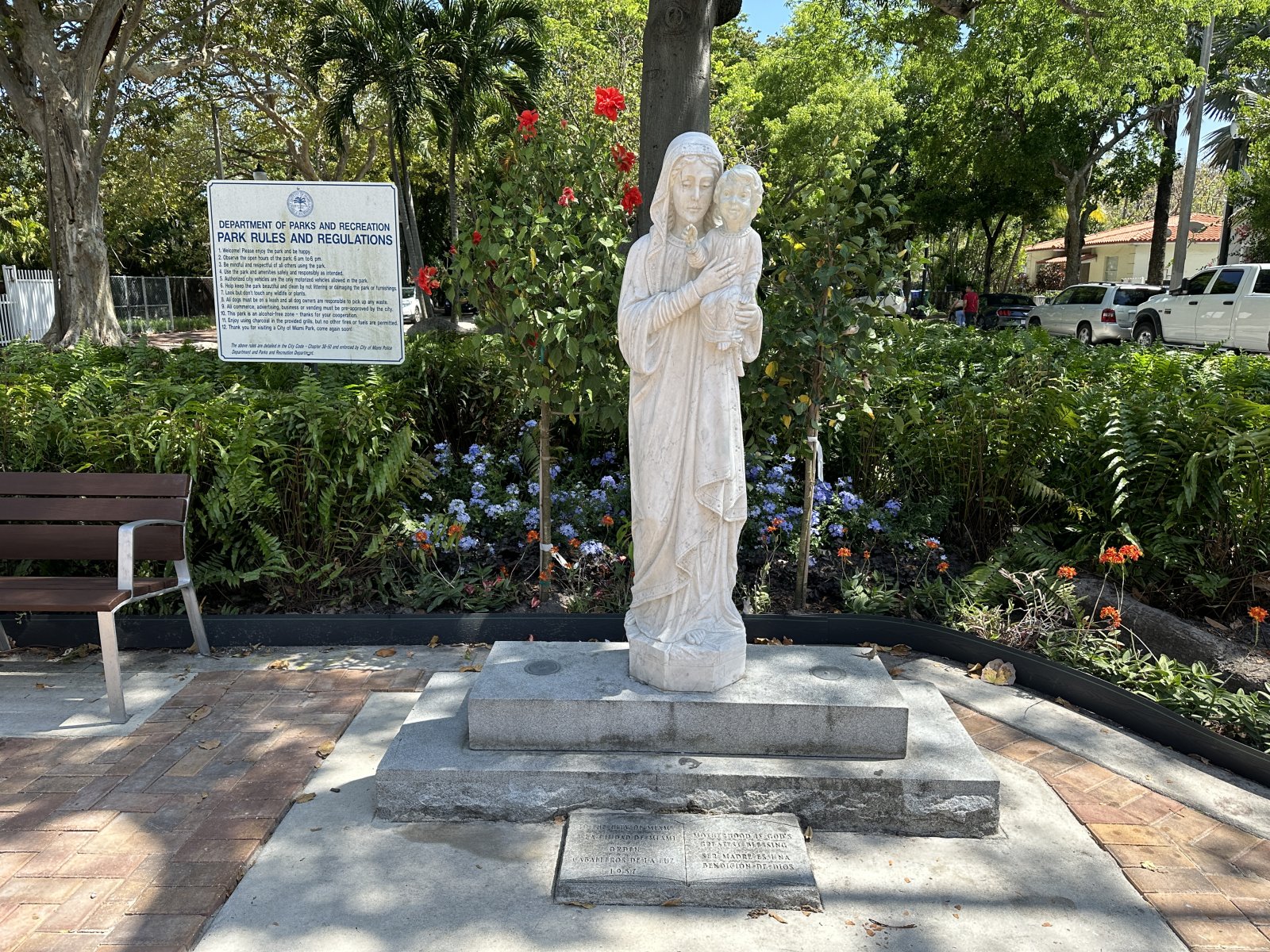
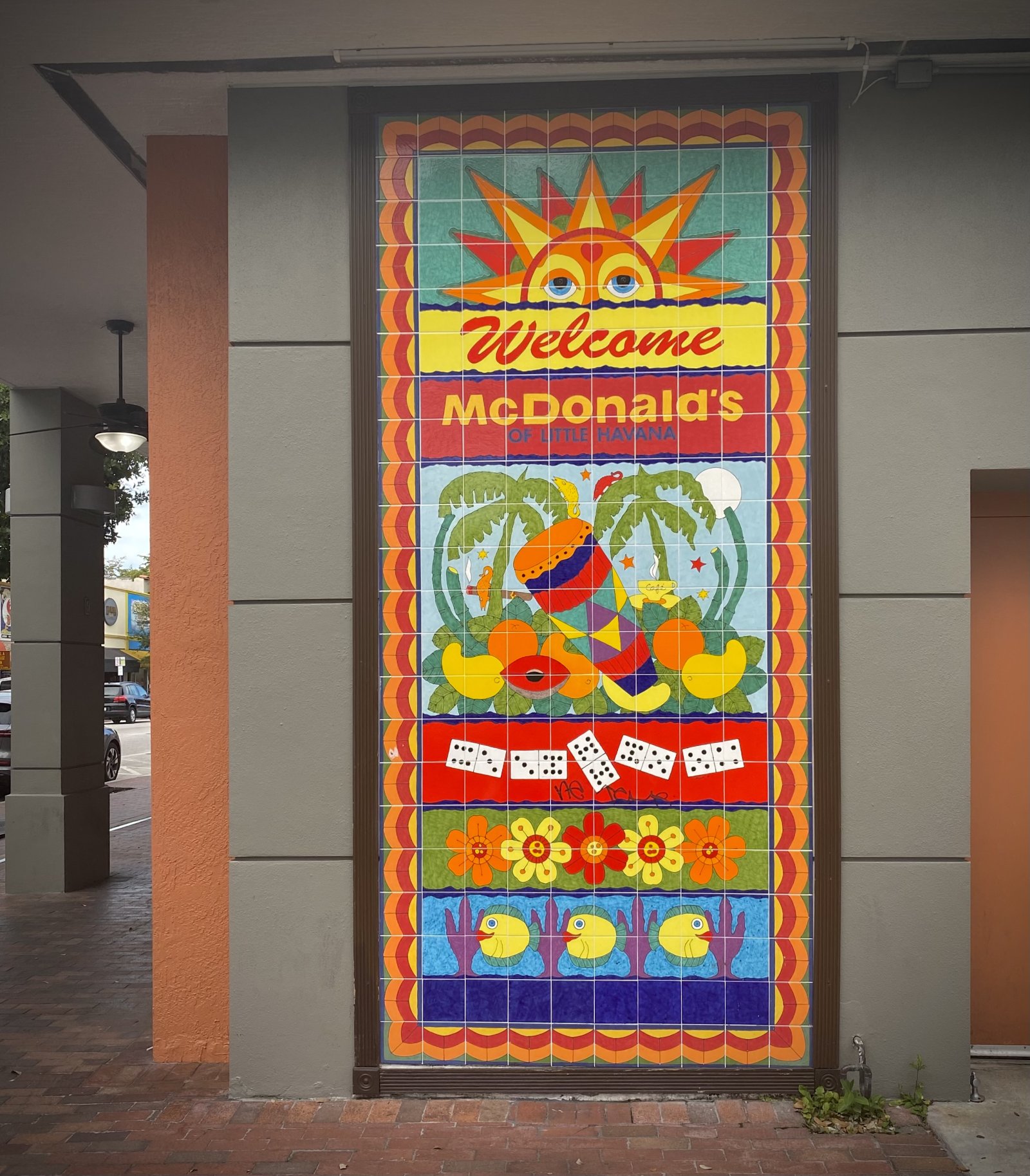
Art and Architecture in Little Havana is an eclectic mix, showcasing the influences of Cuban, Latino, and Miami’s own diverse community. The streets are adorned with colorful murals that tell stories of Cuban heritage and resilience. One notable mural is the “Calle Ocho” mural, a tribute to the rich cultural history of the Cubans in Miami. Buildings reflect a Spanish Colonial Revival architectural style, with bright pastel colors and wrought-iron balconies, creating a picturesque backdrop for the area’s bustling life.
In Little Havana, local culture and traditions are palpable, with every street corner offering a glimpse into the Cuban way of life. Cultural festivals like Carnaval Miami and the Calle Ocho Festival celebrate the community's heritage with music, dance, and food. These events draw thousands of visitors each year, showcasing the vibrant energy of Latin music and dance, from salsa to merengue. On any given day, you’ll find locals playing dominoes at Domino Park, a tradition that reflects the importance of community and camaraderie.
The gastronomy of Little Havana is a feast for the senses. Must-try dishes include the iconic croquetas, ropa vieja, and arroz con pollo. Local eateries like Versailles Restaurant, often dubbed the “most famous Cuban restaurant in the world,” serve up authentic Cuban cuisine that transports diners straight to Havana. Pair your meal with a Cuban coffee or a refreshing mango batido (mango smoothie) to complete the experience. The flavors of the food here tell stories of resilience and nostalgia, making every bite a connection to Cuba.
For those interested in lesser-known curiosities, Little Havana hides surprises around every corner. One such gem is the Cuban Memorial Boulevard, where you’ll find memorials dedicated to those who fought for Cuba’s independence. Another interesting fact is that Little Havana is home to the Cuban-American Museum, which showcases the contributions of Cuban-Americans to the fabric of American society. Many tourists overlook the Ball & Chain, a historic bar that dates back to the 1930s, known for its live music and vibrant atmosphere.
The best time to visit Little Havana is during the winter months, from December to March, when the weather is pleasantly warm. However, to avoid the larger crowds, consider visiting on weekdays or during early mornings. When exploring the area, make sure to check out the local art galleries and artisan shops along Calle Ocho, and don’t forget to stop by La Carreta for some of the best Cuban sandwiches in town.
In conclusion, Little Havana is more than just a neighborhood; it’s a living testament to the Cuban spirit and the community's rich cultural heritage. Whether you’re admiring the artwork, savoring the flavors, or dancing to the rhythm of Latin music, every moment spent here is a celebration of life, culture, and history. Use the Secret World app to tailor your visit and discover the hidden gems of this vibrant Miami enclave.


