

Nestled in the heart of Singapore, Little India is a vibrant tapestry of culture, history, and culinary delights, drawing visitors into an enchanting world that feels distinctly different from the surrounding modernity. This bustling enclave serves as a testament to the rich heritage of Indian immigrants who settled here in the 19th century, contributing to Singapore’s multicultural landscape.

History and Origins
The origins of Little India date back to 1819 when Sir Stamford Raffles, the founder of modern Singapore, recognized the importance of Indian laborers in building the burgeoning city. These immigrants were primarily laborers, artisans, and traders who played a vital role in the development of the region. By the 1820s, the area became a hub for Indian communities, particularly from the southern states of India.

Throughout the 19th century, Little India flourished as a center for trade and commerce. Significant historical events, such as the opening of the Little India Arcade in the 1980s, further established the area as a focal point for Indian culture. Today, this neighborhood stands as a living museum of Singapore's Indian heritage.
Art and Architecture
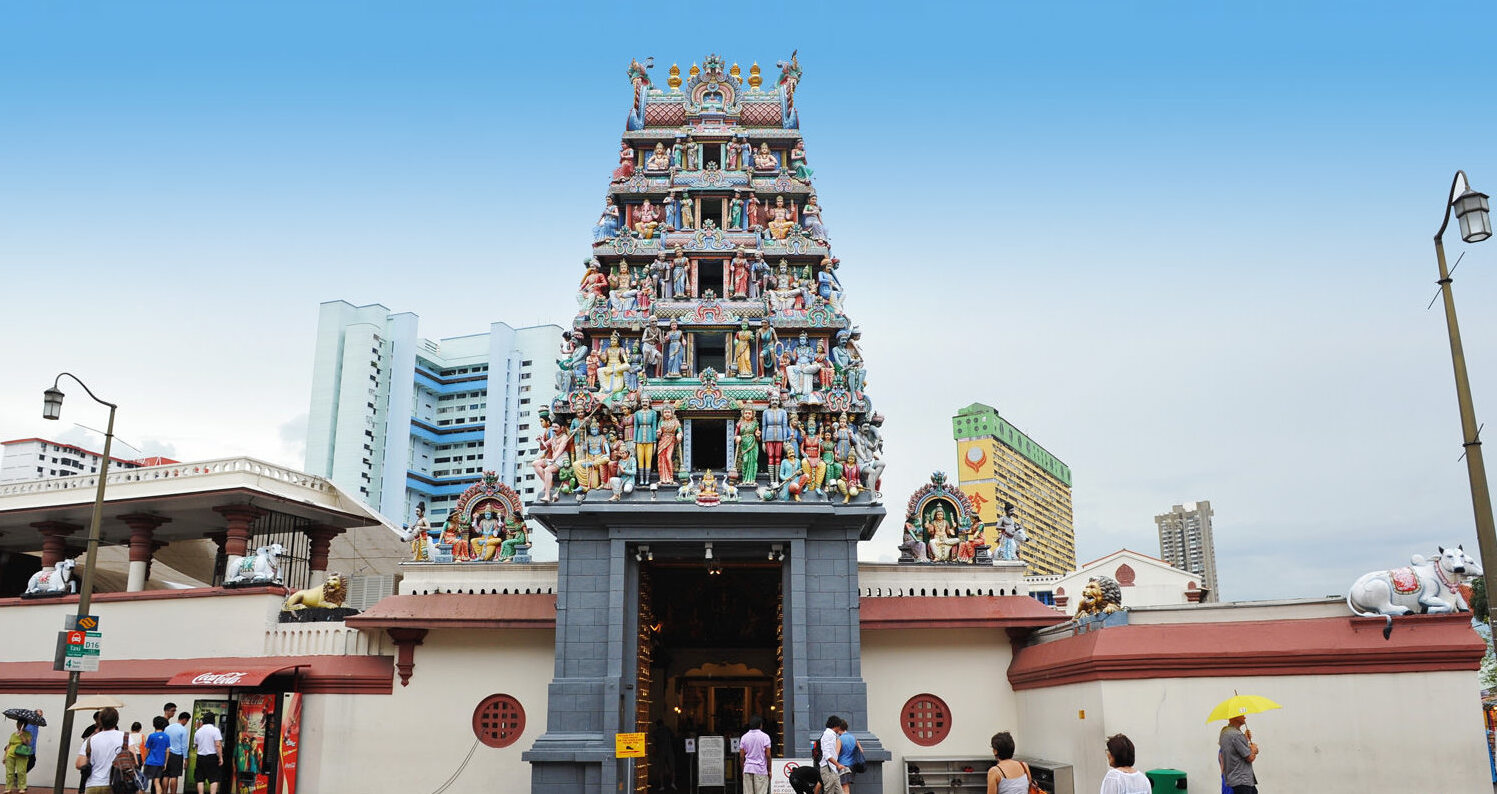
Little India boasts an array of architectural styles that reflect the diverse influences of its inhabitants. The most iconic structure is the Sri Veeramakaliamman Temple, a stunning example of Dravidian architecture adorned with intricate sculptures of Hindu deities. Built in the 19th century, this temple serves as a spiritual haven for many and is particularly vibrant during festivals.
Another architectural gem is the Masjid Abdul Gafoor, an old mosque built in the 1850s, characterized by its beautiful Indo-Saracenic style. The use of colorful tiles and ornate domes enhances its beauty, making it a popular spot for both worshippers and tourists alike. As you stroll through the streets, the colorful facades and shopfronts create a lively atmosphere that captures the essence of Little India.
Local Culture and Traditions
The cultural significance of Little India is most evident during its numerous festivals. The Deepavali festival, known as the Festival of Lights, transforms the streets into a dazzling spectacle of lights and colors. During this time, the neighborhood is adorned with vibrant decorations, and the air is filled with the scent of traditional sweets and incense.
Another significant celebration is Thaipusam, a Hindu festival celebrated in honor of Lord Murugan. The event involves elaborate processions and rituals, drawing thousands of devotees who participate in acts of devotion, including carrying kavadis—decorated structures that symbolize penance.
The local customs reflect a deep respect for tradition, with many shops offering traditional attire, such as sarees and kurta, alongside the vibrant street art that tells stories of the community's past.
Gastronomy
No visit to Little India is complete without indulging in its culinary offerings. The area is a haven for food lovers, with a plethora of eateries serving authentic Indian cuisine. Tekka Centre is a must-visit, where you can sample local favorites like biryani, a fragrant rice dish cooked with spices and marinated meat, or roti prata, a flaky flatbread often enjoyed with curry.
Don’t miss out on trying murtabak, a stuffed pancake that is both savory and satisfying, or dosai, a crispy rice crepe served with tangy chutneys. For those with a sweet tooth, jalebi and gulab jamun offer a delightful end to any meal. To wash it all down, sip on a traditional masala chai or the refreshing lassi.
Lesser-known Curiosities
As you explore Little India, keep an eye out for lesser-known curiosities that add depth to your experience. One such gem is the Indian Heritage Centre, which chronicles the contributions of the Indian community in Singapore through engaging exhibits and interactive displays.
Another unique detail is the street art that adorns many walls, often depicting historical figures and scenes from Indian culture, offering a modern twist to the rich heritage of the area.
A hidden gem is the Little India MRT Station, which is adorned with murals that celebrate the neighborhood’s vibrant culture, making it more than just a transit point but a small gallery of local art.
Practical Visitor Information
The best time to visit Little India is during the cooler months between November and February when the weather is more temperate. Early mornings and late afternoons are ideal for exploration, allowing you to avoid the midday heat.
When visiting, take time to wander the Little India Arcade and Serangoon Road, where you can find unique souvenirs, from colorful textiles to traditional handicrafts. Be sure to immerse yourself in the local atmosphere by participating in a cultural workshop or simply enjoying a meal at one of the many open-air eateries.
To fully appreciate the richness of this cultural enclave, consider using the Secret World app to plan a personalized AI itinerary for your visit to Singapore.


