



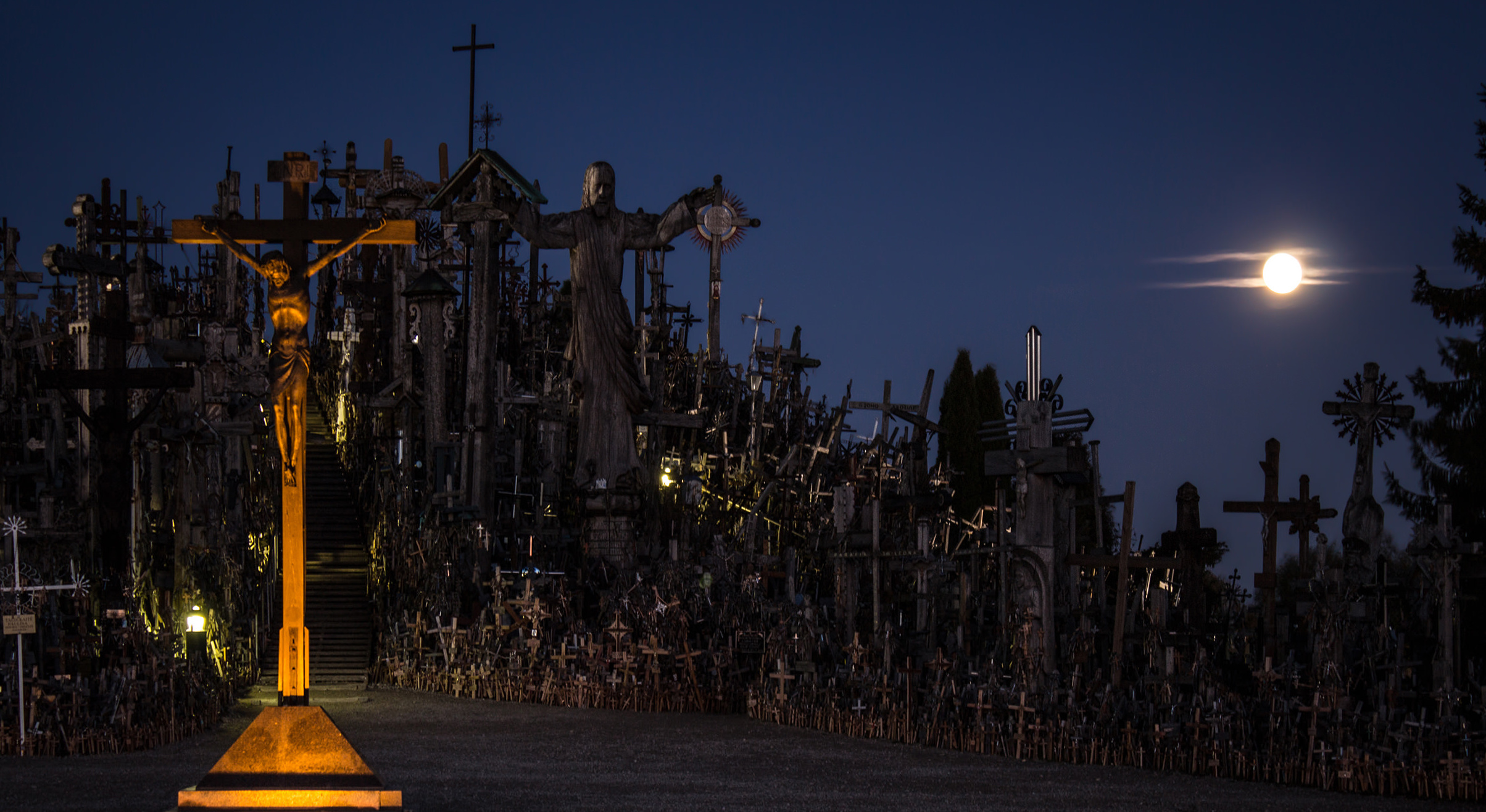
The Hill of Crosses in Jurgai?iai, Lithuania, stands as a testament to the resilience and faith of the Lithuanian people. Nestled just outside the city of Šiauliai, this sacred site, brimming with history and spirituality, captivates visitors with its profound symbolism and breathtaking landscape.
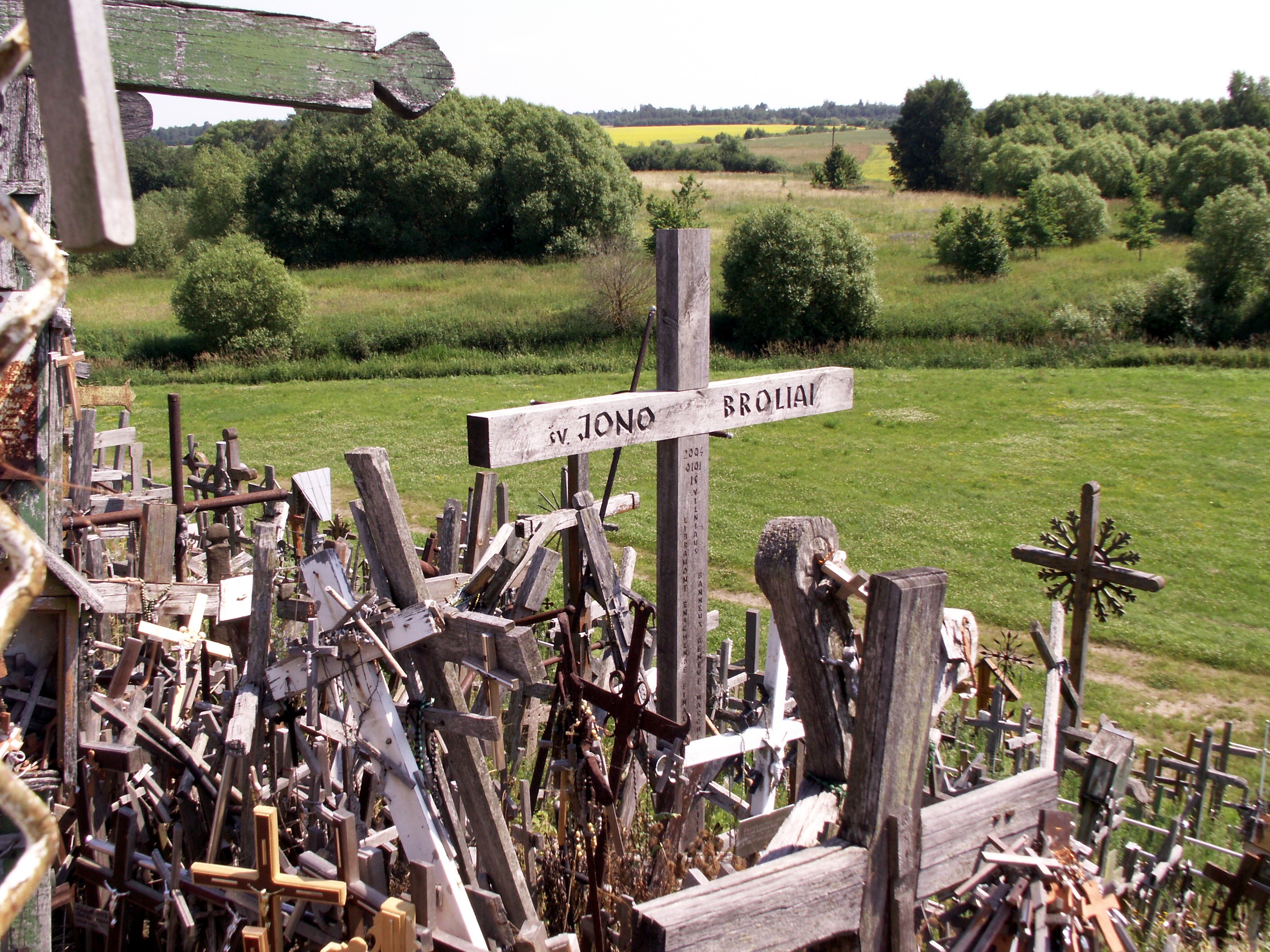
The origins of the Hill trace back to the mid-19th century, specifically to the Uprising of 1831 against Russian rule. It is believed that the first crosses were placed here by the relatives of those who lost their lives in the rebellion, a gesture of mourning and remembrance. However, it wasn't until 1850 that written accounts began to mention this unique site. The 1863 Uprising, which saw another surge of nationalistic fervor, prompted a significant increase in the number of crosses. During this period, the Tsarist authorities imposed bans on erecting crosses along roads and in cemeteries, leading the faithful to seek refuge in this sacred hill.
A key turning point in the Hill's history occurred at the end of the 19th century when reports of an apparition of the Holy Virgin Mary with the infant Jesus emerged. This event inspired countless individuals to contribute their own crosses, solidifying the Hill of Crosses as a prominent symbol of faith, hope, and defiance against oppression. Today, it is estimated that the site houses over 100,000 crosses, each representing an individual prayer or a collective memory.
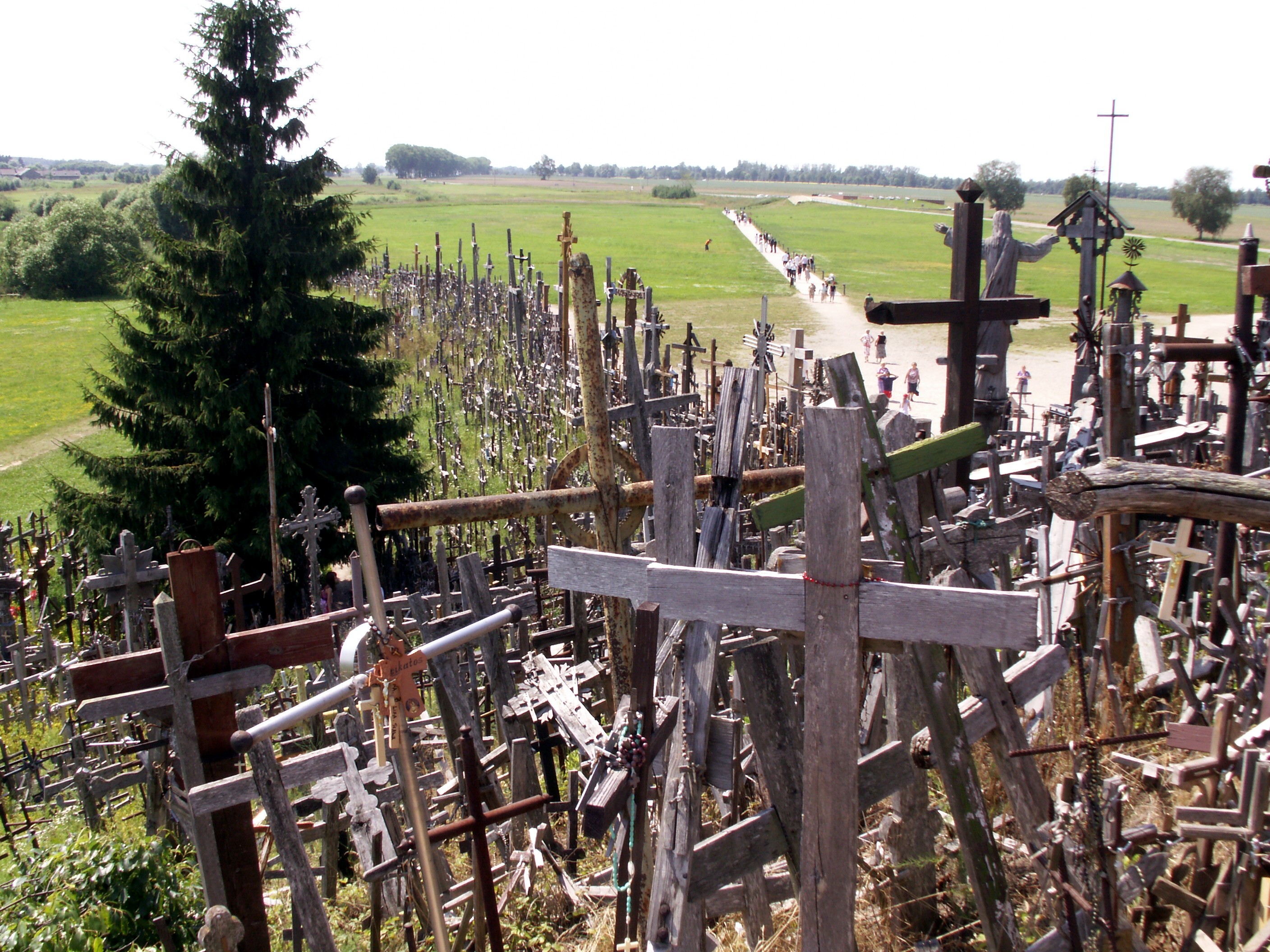
Artistically, the Hill of Crosses is a rich tapestry of Lithuanian folk art. The crosses vary dramatically in size, shape, and design, showcasing the creativity and craftsmanship of local artisans. Many are adorned with intricate carvings, representing saints, angels, and various Christian symbols. Among the most notable artworks is a large wooden cross designed by local artist Vytautas Kazimieras Jonynas, which stands tall and proud, symbolizing unity and faith.
The Hill also serves as an artistic canvas for contemporary artists who have contributed modern sculptures that blend harmoniously with the traditional crosses. This fusion of old and new creates a visually striking panorama that draws visitors into a contemplative state of mind.
Culturally, the Hill of Crosses is a focal point for local traditions and festivals. Every year, on the Feast of the Assumption, thousands of pilgrims gather at the site to pay homage and participate in communal prayers. This event, rich in ritual and reverence, embodies the spirit of solidarity among Lithuanians. Local customs often include placing crosses that symbolize personal stories, wishes, or tributes to loved ones, further enriching the cultural tapestry of the site.
The gastronomic offerings in the region also reflect its rich history and traditions. Visitors to Jurgai?iai can indulge in šakotis, a traditional Lithuanian cake, often enjoyed during festivities. This spiked tree-like cake is a staple at celebrations, featuring a unique texture and flavor that locals cherish. Pair it with a cup of kvass, a fermented beverage made from rye bread, for a truly local experience.
Among the lesser-known curiosities of the Hill of Crosses is the fact that it has become a site of pilgrimage for people from various backgrounds and nationalities. Many who visit leave behind not just crosses, but also personal mementos and tokens representing their own journeys and struggles. Additionally, the site has been recognized by UNESCO as an important cultural landmark, further solidifying its status as a global symbol of faith and resilience.
The best time to visit the Hill of Crosses is during the spring and summer months, when the weather is mild, and the landscape is vibrant with blooming flowers. Early morning visits can provide a quiet, introspective atmosphere, allowing you to fully absorb the solemnity and beauty of the site. Be sure to look for the smaller, intricately designed crosses tucked away in corners, as they often tell the most poignant stories.
To fully immerse yourself in the experience, consider taking part in a local guided tour. This will not only provide valuable insights into the site's history but will also connect you with the local community and their ongoing traditions.
The Hill of Crosses is not just a monument; it is a living testament to the enduring spirit of the Lithuanian people. Each cross represents a story, a prayer, and a moment frozen in time, inviting all who visit to reflect on their own lives.
For a personalized itinerary that captures the essence of Jurgai?iai and the Hill of Crosses, consider using the Secret World app to plan your journey.
