
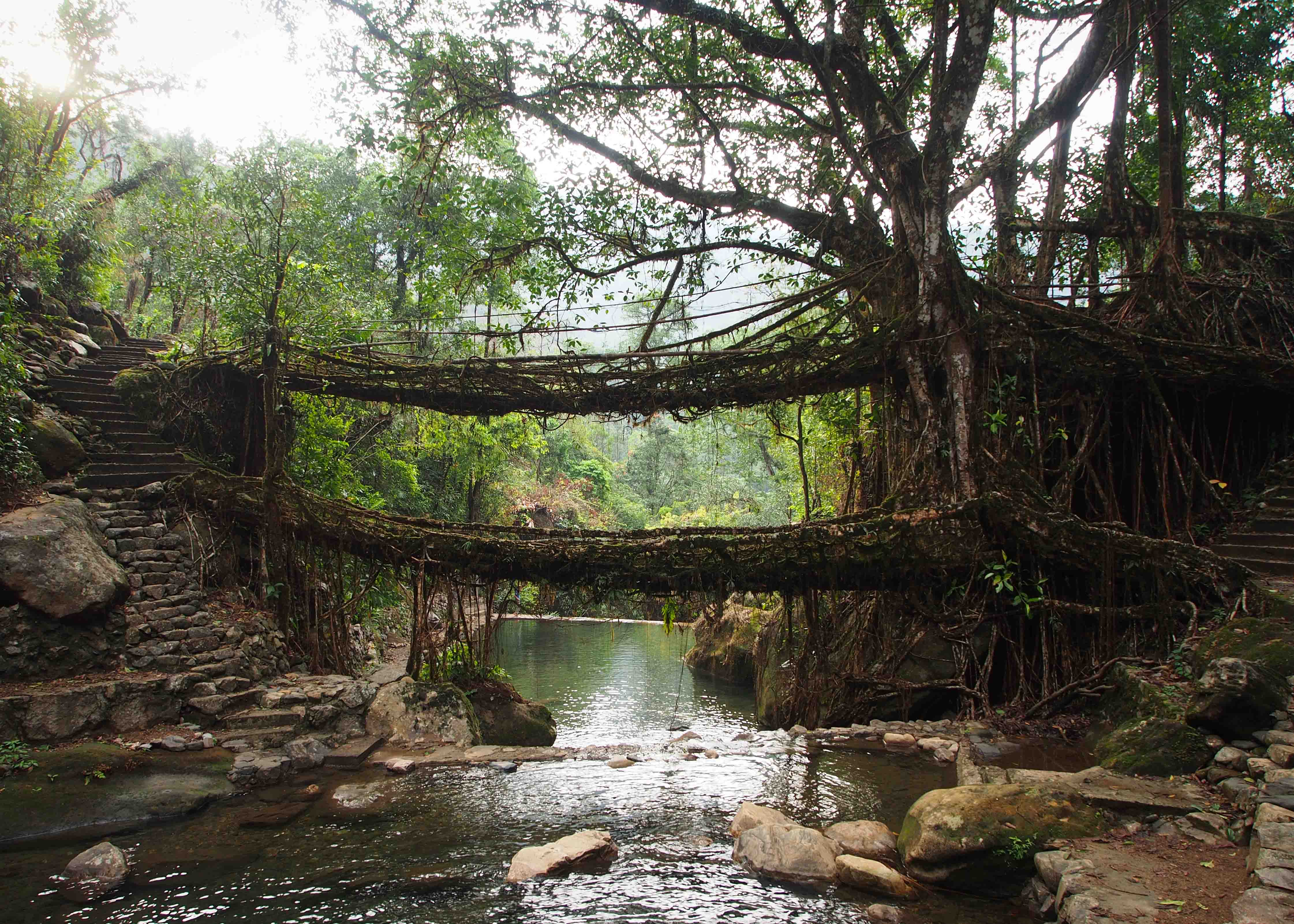

Deep in the verdant heart of Meghalaya, a state renowned for its lush landscapes and heavy monsoons, lies an extraordinary marvel of bioengineering and tradition: the Living Root Bridges. These are not mere constructions, but living, breathing entities—formed from the roots of the Ficus elastica tree, carefully guided and shaped over decades by the indigenous Khasi and Jaintia tribes. These bridges, some spanning over 30 meters, are both a testament to human ingenuity and a harmonious relationship with nature.
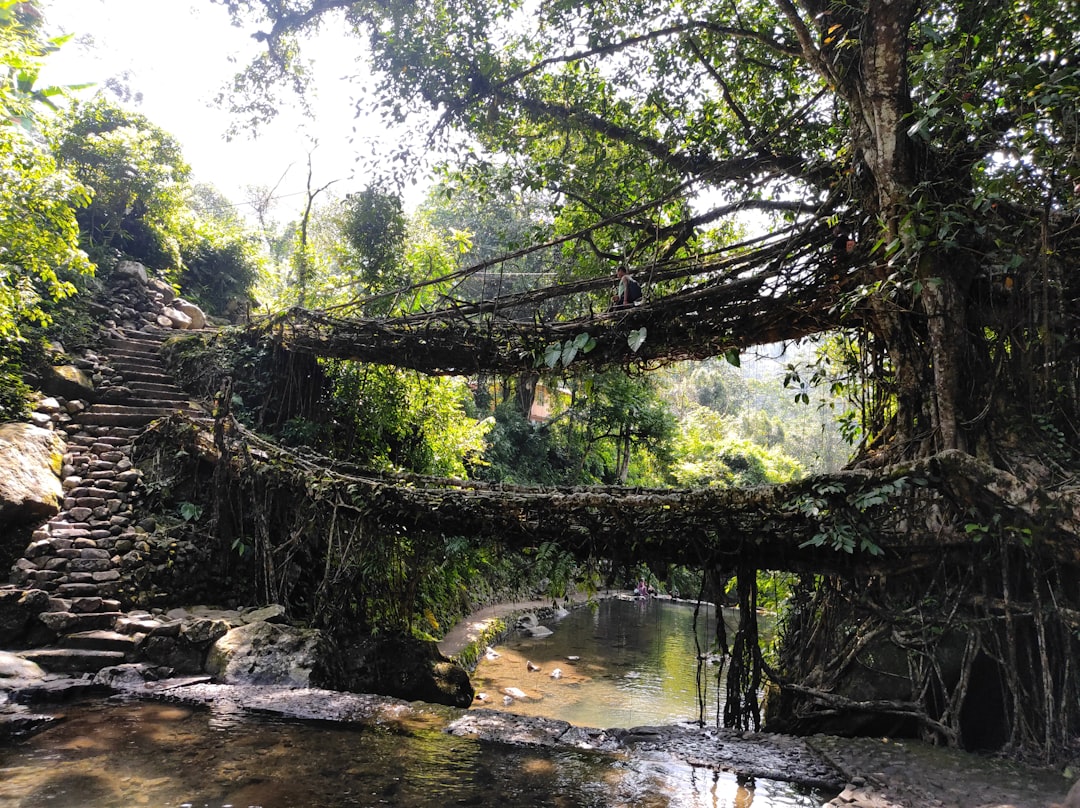
The history of these bridges traces back over 180 years, rooted in necessity and a profound understanding of the environment. In a region where torrential rains can wash away conventional bridges, the Khasi people ingeniously turned to the rubber fig tree. By manipulating the tree's roots across rivers and streams, they created structures that grew stronger with time. The most famous of these, the Umshiang Double-Decker Bridge in Nongriat, exemplifies this ancient practice, with its two levels of woven roots offering a sturdy passage in even the wettest seasons.
The living root bridges are as much a work of art as they are of nature. Unlike static architectural forms, these structures are dynamic, evolving with each passing season. The process of their creation is a meticulous art form, requiring the careful intertwining of young roots and a patient wait of up to 15 years for them to mature into a usable bridge. This organic architecture, which thrives amidst the dense canopies and misty valleys of Meghalaya, stands as a symbol of resilience and ecological balance. Walking across one is akin to stepping into a living sculpture, one that changes with the light and weather, offering a different perspective each time.
Culturally, the bridges are more than functional; they are integral to the social fabric of the Khasi and Jaintia communities. They are often the focal point of local gatherings and festivities, such as the vibrant Shad Suk Mynsiem or the Nongkrem Dance Festival, where the community comes together to celebrate the harvest and honor their ancestors. These events, characterized by traditional dances and music, reflect the deep-rooted customs that have sustained these communities for generations.
A journey to Meghalaya is incomplete without indulging in its diverse gastronomy. The local cuisine, influenced by the region's biodiversity, is a medley of flavors and textures. Dishes such as Jadoh, a spicy rice dish cooked with meat, and Pukhlein, a sweet rice bread, are staples. The use of local ingredients like bamboo shoots, pork, and the fiery bhut jolokia pepper, one of the hottest in the world, defines the culinary landscape. Visitors should also try Kyat, a traditional rice beer that offers a refreshing taste of Khasi hospitality.
While the living root bridges are a testament to human-nature synergy, they hold lesser-known secrets that add to their allure. Few know that some bridges are intentionally grown to form natural staircases, aiding access to steep terrains. Less visited than their more famous counterparts, these hidden bridges offer a serene escape from the beaten path, enveloped by the sounds of the forest and the gentle flow of water below.
For those planning to visit, the best time is from October to April, when the weather is cooler and the monsoon has receded, making the trails more accessible. Begin your trek early to avoid the midday heat, and bring sturdy footwear, as the paths can be slippery. Engage with local guides, who can share stories of the land and its people, offering insights beyond the usual tourist narrative.
The living root bridges of Meghalaya are more than just a sight; they are an invitation to witness a unique symbiosis between humanity and the natural world. Here, in this emerald landscape, the past and present entwine, much like the roots of the bridges themselves, offering an experience that is both humbling and awe-inspiring.


