



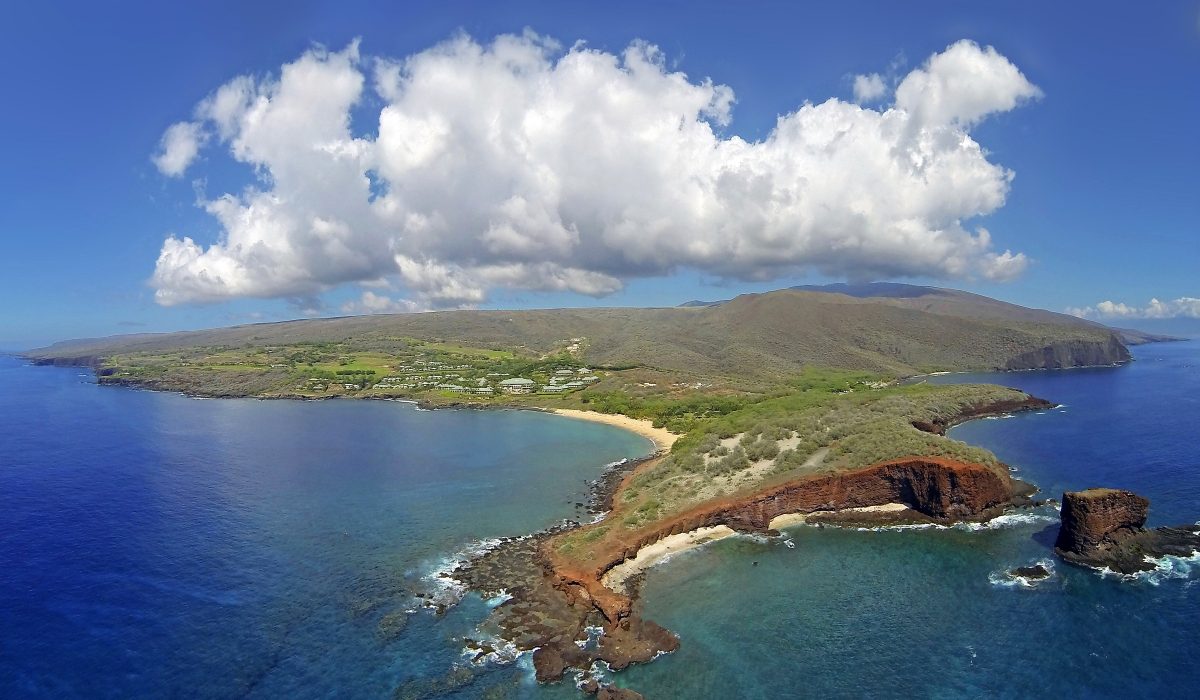
Lnaii, the sixth-largest of the Hawaiian Islands, is a treasure trove of natural beauty and rich history. Often referred to as Pineapple Island, it earned this moniker due to its extensive past as a pineapple plantation, which shaped much of its landscape and economy throughout the 20th century. Today, this enchanting island is a unique blend of cultural heritage and untouched wilderness, making it a must-visit destination for those seeking adventure and tranquility.

The island's ancient history dates back over a thousand years, when it was first settled by Polynesian navigators. According to archaeological evidence, the early inhabitants relied on fishing, farming, and gathering to sustain their communities. The Māori and Hawaiian cultures influenced each other over generations, creating a unique blend that can still be seen in local customs and traditions. In the late 19th century, James Dole transformed Lnaii into a pineapple empire, establishing extensive plantations that dominated the landscape and economy until the mid-20th century. This agricultural legacy remains an integral part of the island's identity today.
Architecturally, Lnaii reflects both its indigenous roots and its plantation past. The primary settlement, Lanai City, features a charming array of plantation-style buildings, with wide porches and wooden structures that evoke the island's agricultural history. The Lanai Culture and Heritage Center stands as a testament to the island's history, showcasing artifacts and exhibits that celebrate its cultural significance. Visitors can explore the center to learn about traditional Hawaiian art forms, including weaving and lei-making, which are still practiced by local artisans.
Local culture on Lnaii is deeply intertwined with its natural surroundings and historical context. The island hosts several annual events that celebrate its heritage, including Lanai's Annual Pineapple Festival, which honors the island's agricultural roots with food, music, and traditional hula performances. The festival usually occurs in the summer, featuring local crafts, culinary delights, and the chance to connect with the island's community. This sense of togetherness and celebration is a hallmark of life on Lnaii, where residents actively engage in preserving their unique customs.
When it comes to gastronomy, Lnaii offers a delightful array of local flavors. Fresh seafood, particularly ono (wahoo) and ahi (tuna), is a staple, often grilled or served in traditional poke bowls. The island's agricultural history also influences its cuisine; visitors can sample locally grown fruits like papaya and pineapple or indulge in homemade desserts at local eateries. One popular dish is loco moco, a hearty meal consisting of rice, hamburger patty, fried egg, and brown gravy. Pair your meal with a refreshing Hawaiian shave ice to cool off and savor the sweet local flavors.
Among the island's myriad attractions, curious travelers may want to venture off the beaten path to discover lesser-known gems. For instance, Shipwreck Beach is famous not just for its stunning views but also for the remnants of an old shipwreck that rests just offshore. The beach is a great spot for photography and contemplation, with dramatic cliffs and rugged coastlines offering a serene escape. Additionally, the Munro Trail leads to the summit of Lanaihale, the highest point on the island, where hikers can enjoy panoramic views of the neighboring islands and the vast Pacific Ocean.
For those planning a visit, the best time to explore Lnaii is during the dry season, which typically runs from May to September. This period offers warm temperatures and clear skies, perfect for outdoor activities like hiking, snorkeling, and beachcombing. Renting an off-road vehicle is highly recommended, as many of the island's hidden treasures are accessible only via rugged paths. Don’t forget to pack plenty of water and sunscreen, as the sun can be intense, especially in remote areas.
In planning your trip, consider engaging with the local community to gain a deeper appreciation for the island's culture. Attend a luau, where you can enjoy traditional Hawaiian music and dance while indulging in local cuisine. Engaging with the locals can also provide insights into hidden spots and experiences that you won't find in guidebooks, enriching your journey.
For a truly personalized experience that captures the essence of Lnaii, consider using the Secret World app to plan your adventure.
