



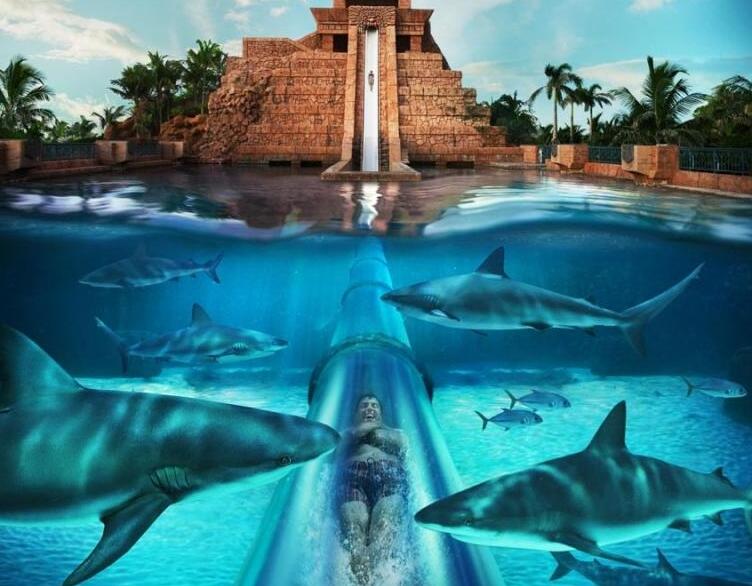
At the heart of Atlantis, Paradise Island, lies the remarkable Mayan Temple, a captivating blend of ancient inspiration and modern adventure, where the mysteries of the deep meet the luxury of a tropical resort. This iconic structure not only serves as an exhilarating water park attraction but also pays homage to the rich tapestry of Caribbean culture and history.
### History and Origins
The Bahamian archipelago has long been steeped in history, from the indigenous Lucayan people who inhabited the islands before Christopher Columbus's arrival in 1492, to the subsequent European colonization that transformed the region. However, the Mayan Temple at Atlantis is a representation of the ancient Maya civilization, which thrived in parts of Central America from approximately 250 to 900 AD. The temple’s design draws inspiration from these ancient structures, showcasing intricate carvings and motifs reminiscent of Mayan art.
The Atlantis resort itself was developed in the late 20th century, with its grand opening in 1998. The vision behind its creation was to provide guests with an immersive experience that combines luxury, entertainment, and the natural beauty of the Bahamas. The Mayan Temple stands as a testament to this vision, inviting guests to explore not only the aquatic wonders but also the cultural connections to ancient civilizations.
### Art and Architecture
The architectural style of the Mayan Temple is strikingly reminiscent of the stepped pyramids found in ancient Mesoamerica. Its bold, vibrant colors and intricate stonework are juxtaposed against the lush tropical landscape of Paradise Island. As guests navigate through the temple, they will encounter stunning murals and carvings that celebrate the mythology and history of the Maya, giving each visitor a glimpse into the past.
Notably, the temple features the Shark Tunnel, a clear underwater slide that allows guests to glide through a mesmerizing aquarium filled with various species of sharks and other marine life. This unique architectural feature not only serves as a thrilling ride but also as an educational experience, merging art, architecture, and marine biology in an innovative way.
### Local Culture and Traditions
Paradise Island is not just a resort destination; it's also a hub for Bahamian culture. The islands celebrate a vibrant array of festivals, such as Junkanoo, a lively street parade that typically occurs on Boxing Day (December 26) and New Year’s Day (January 1). Participants don colorful costumes and dance to the rhythms of drums and horns, showcasing the rich heritage of the Bahamas.
In the context of Atlantis and the Mayan Temple, the cultural significance extends to the resort’s efforts in promoting local arts and crafts. Guests can often find local artisans showcasing their work, from handmade jewelry to intricate wood carvings, providing a tangible connection to Bahamian culture.
### Gastronomy
The Bahamas is renowned for its gastronomy, which reflects a fusion of African, European, and indigenous influences. Guests at Atlantis can indulge in local dishes such as conch fritters, crispy bites made from the meat of the conch shell, and rock lobster, which is a staple in Bahamian cuisine. The resort features several restaurants that celebrate these flavors, with chefs often incorporating fresh, locally sourced ingredients into their menus.
Beverages, too, play a crucial role in the culinary experience. The Bahama Mama, a fruity cocktail made with rum, coconut, and pineapple, is a must-try for those looking to unwind after a day of exploration. For a more authentic local experience, consider sampling switcha, a refreshing lemonade-like drink made with lime and sugar, perfect for battling the tropical heat.
### Lesser-Known Curiosities
While many visitors flock to the Mayan Temple for its thrilling waterslides and stunning marine life, some hidden details often go unnoticed. For instance, the temple's design incorporates elements meant to reflect the natural world — from the placement of the water features to the choice of colors, everything is intended to evoke a sense of harmony with nature.
Another fascinating aspect is the resort's commitment to marine conservation; the aquariums and habitats within the temple not only provide entertainment but also serve as crucial research facilities for the study of marine life. This dedication to preservation is a vital part of the Atlantis mission, making every visit not just an adventure but also a step towards sustainability.
### Practical Visitor Information
The best time to visit Paradise Island is during the dry season, from mid-December to mid-April, when the weather is pleasant and ideal for outdoor activities. However, if you prefer fewer crowds and more budget-friendly rates, consider visiting during the shoulder seasons of late spring or early fall.
When exploring the Mayan Temple, don’t forget to bring a waterproof camera to capture the breathtaking views of the aquatic life. Be sure to take advantage of the surrounding deck’s panoramic windows for an equally captivating experience without getting wet.
For a full experience, consider engaging with the resort’s educational programs, which often include guided tours of the marine habitats, providing insights into the conservation efforts at Atlantis.
In planning your visit to Paradise Island, don't forget to personalize your travel itinerary with the Secret World app for a tailored experience.
