
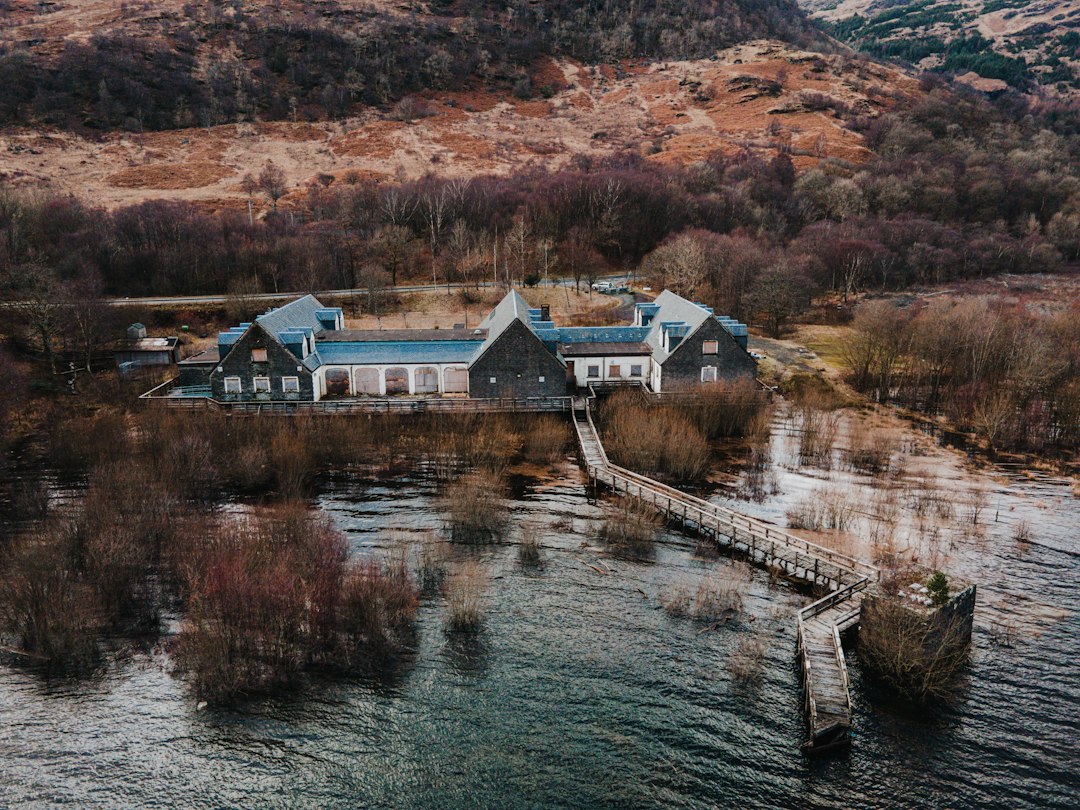

The water is so dark that it almost looks black. It is not an effect of the light, nor of the time of day: it is the dissolved peat that colors Loch Ness a deep brown, making its waters almost completely opaque even at just a few centimeters of depth. This physical detail, observable from any point on the shore, tells something essential about this lake: it is a place where visibility ends quickly, where outlines are lost, and where imagination has always had more space than certainty.
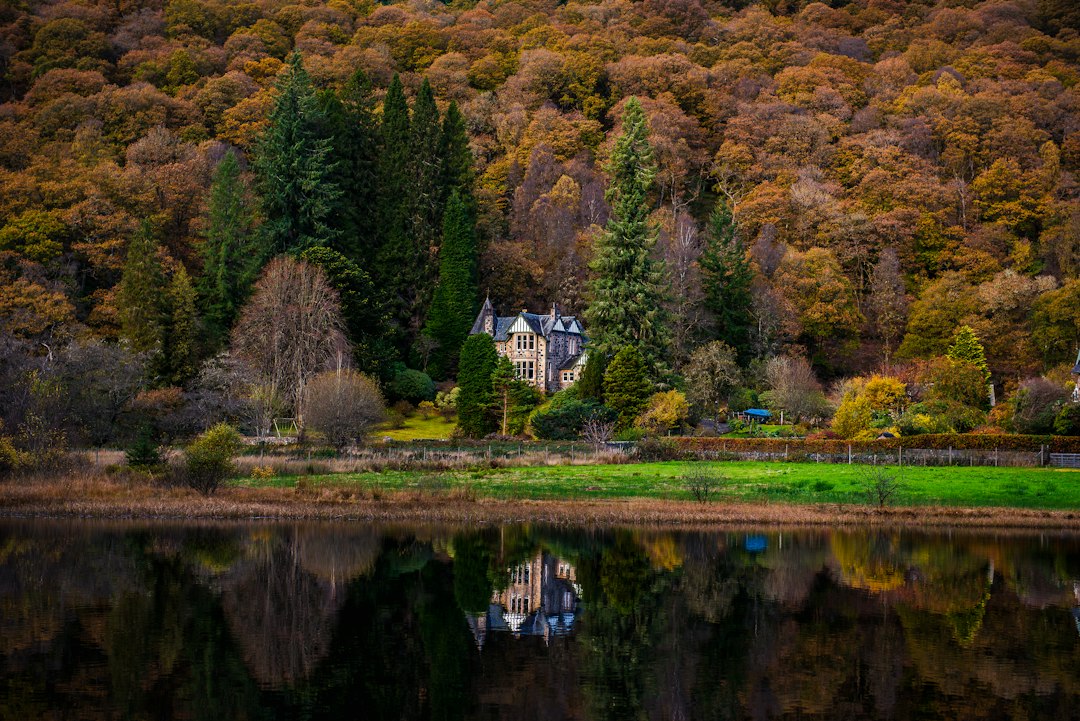
Loch Ness stretches for about 37 kilometers through the Scottish Highlands, following the line of the Great Glen Fault, a geological fracture that cuts through Scotland from northeast to southwest. With a maximum depth exceeding 226 meters, it contains more freshwater than all the lakes in England and Wales combined. It is not the largest Scottish lake by surface area, but it is certainly the most famous — and not for strictly geographical reasons.
Drumnadrochit is the heart of the legend
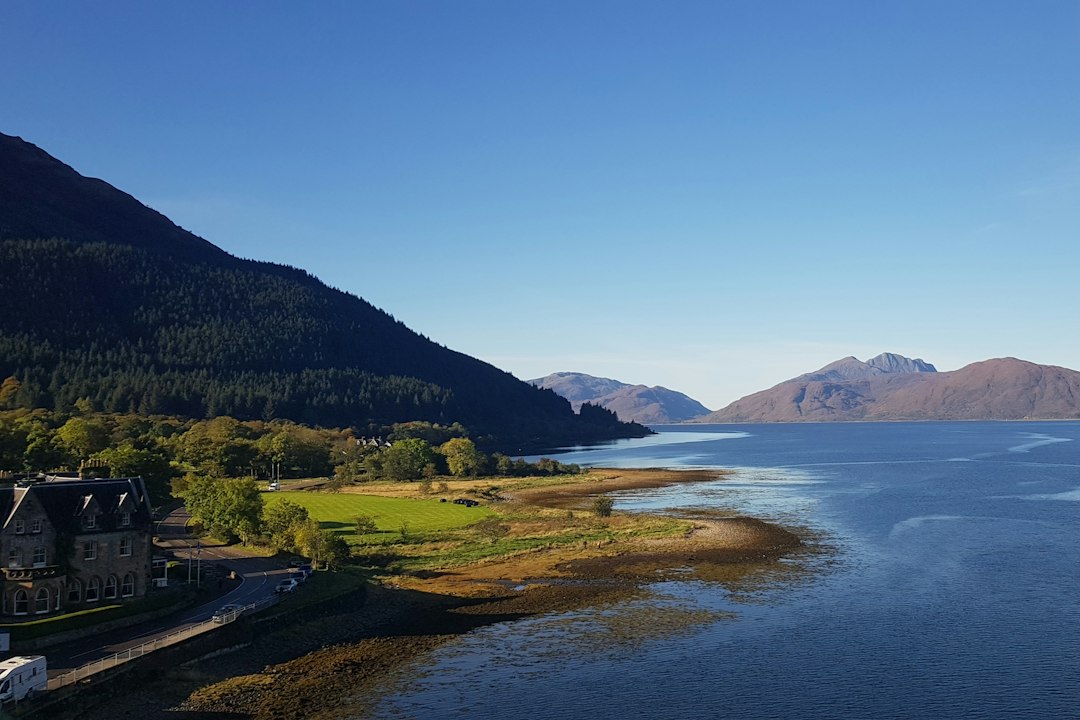
The village of Drumnadrochit is located on the western shore of the lake and is the main reference point for those visiting the area. Here is the Loch Ness Centre, a museum dedicated to the history and mythology of the lake, which retraces the reports of the monster starting from the famous photograph of 1934 — later revealed to be a hoax — and analyzes the scientific expeditions conducted over the decades. The exhibition is updated and honest: it does not claim to confirm the existence of Nessie, but rigorously documents how the legend was formed and spread.
A few kilometers from the village, along the road that runs alongside the lake to the south, are the ruins of the Urquhart Castle, one of the most visited historical sites in all of Scotland. The castle has medieval origins and was partially destroyed in 1692 to prevent its use by the Jacobites. What remains — the Grant tower, the perimeter walls, the bastions that overlook the water — is enough to convey the original scale of the fortress and its strategic position on the lake.
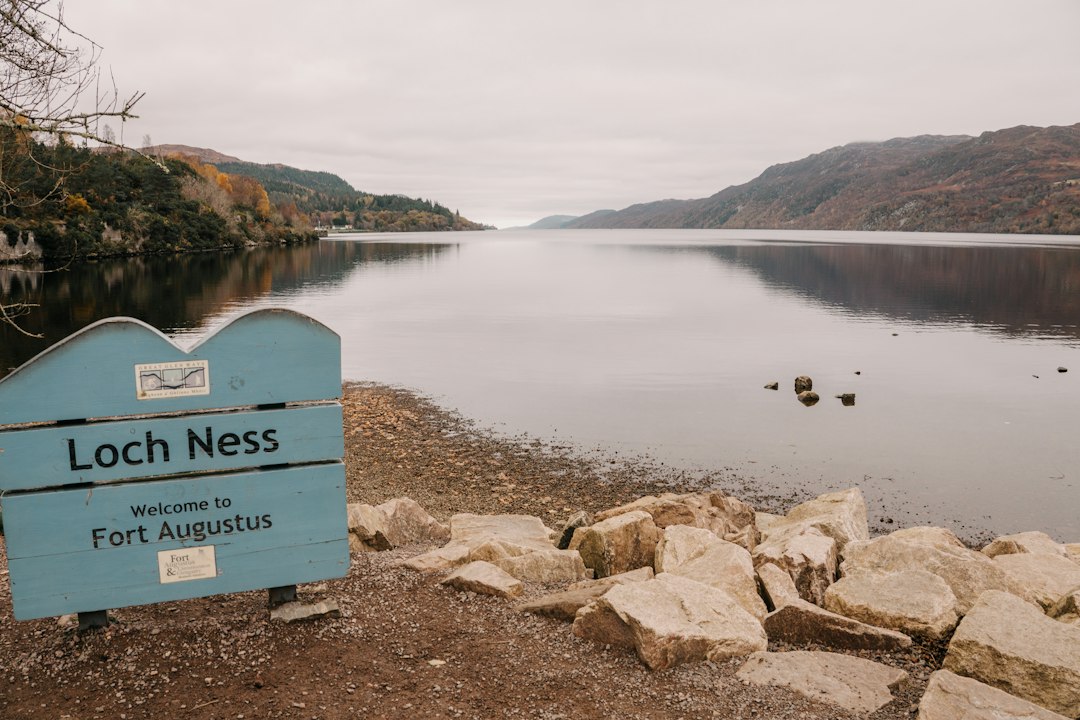
What can be seen from Urquhart Castle
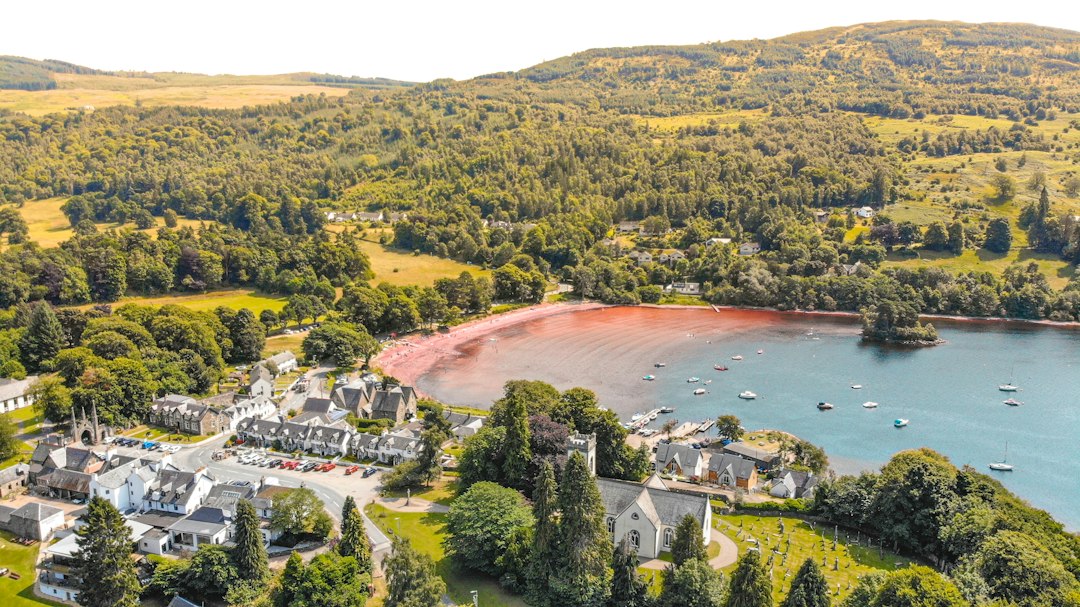
From Grant Tower, the tallest structure still standing of the castle, one has one of the most complete views of Loch Ness. On clear days, the lake can be seen extending on both sides, with the Highlands hills steeply descending towards the shore. The dark water reflects the sky unevenly, and even in sunny hours, the surface has something heavy, something dense. It is easy to understand why this landscape has fueled stories of submerged creatures for centuries.
The site is managed by Historic Environment Scotland and the entrance ticket for adults is around 10-12 pounds (prices may vary, it is advisable to check the official website before visiting). Inside, there is also a visitor center with a scale model of an ancient medieval catapult, visible in the castle's outdoor area.
How to organize the visit
The most practical way to reach Drumnadrochit is to start from Inverness, the nearest city, located about 25 kilometers to the north. There are regular buses connecting the two locations, and the drive along the A82 already offers significant views of the lake. Those who prefer a slower approach can walk part of the Great Glen Way, a long-distance trail that follows the shore of Loch Ness for several stretches.
The best time to visit is early in the morning, when the tour buses have not yet reached the castle and the low light creates sharp contrasts on the ruins. In high season — July and August — the site can become very crowded in the afternoon. Bringing a waterproof layer is almost always a good idea: the weather in the Highlands changes rapidly, and a day that starts sunny can turn rainy within an hour.
Beyond the monster: why it is worth the visit
It would be a mistake to reduce Loch Ness to just the legend of Nessie. The landscape has a physical quality that is hard to describe: the combination of dark water, wooded hills, and medieval ruins creates an atmosphere that does not depend on any mythology. The lake is real, its depth is real, and the ruins of the castle are real — with all the violent and fragmented history they carry with them.
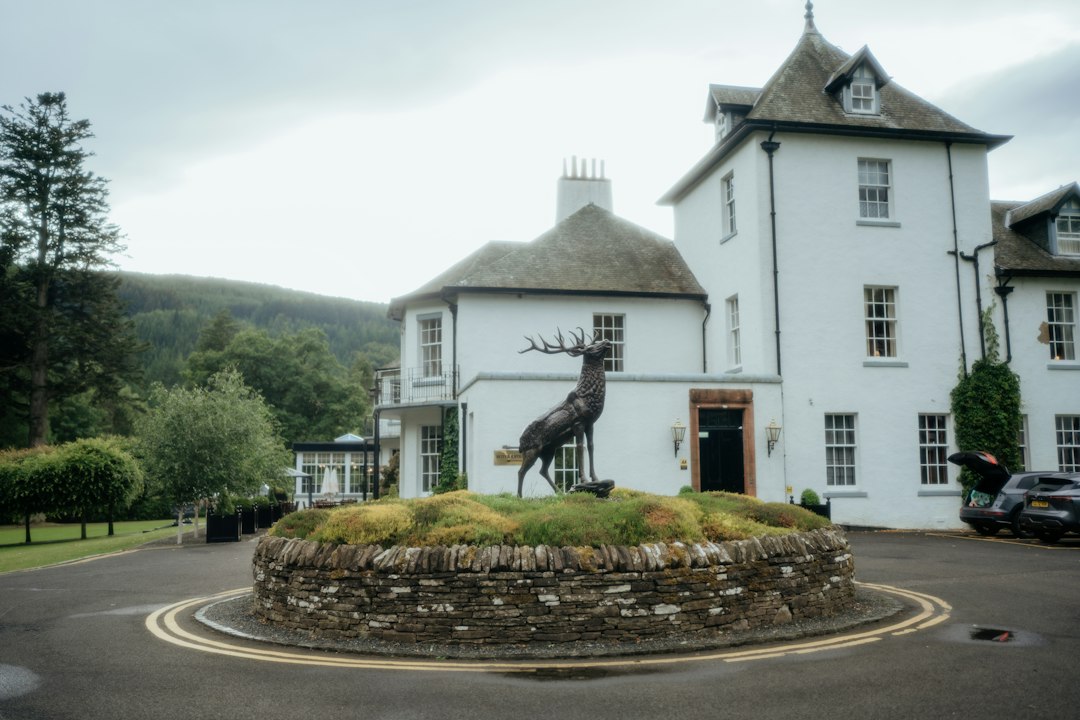
The Loch Ness Drumnadrochit Hotel, located in the center of the village, is one of the historical landmarks of the area and offers a comfortable base to explore the area at a leisurely pace. Staying in Drumnadrochit rather than Inverness allows you to experience the lake even in the evening and morning hours, when day visitors have not yet arrived and the landscape regains its silent monumentality.


