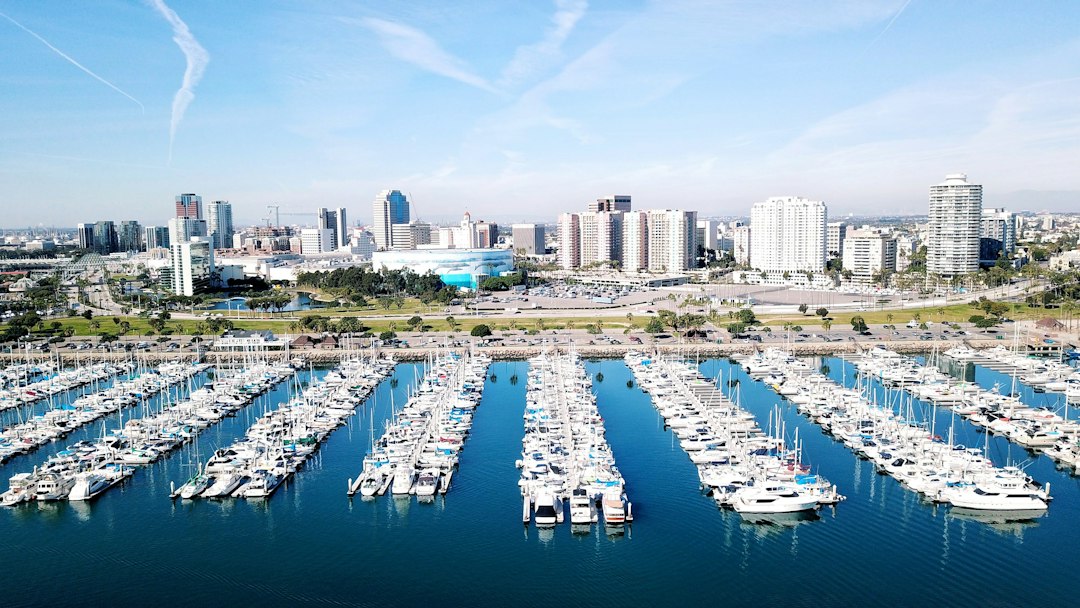

The water changes color three times before touching the shore. First, it is an almost opaque emerald green, then it becomes transparent turquoise, and finally it transforms into a colorless crystal that reveals every grain of white sand on the seabed. Long Beach, in El Nido in the province of Palawan, in the Philippines, is one of the few beaches in the world where this chromatic gradient is so sharp that it seems unreal. Yet it is all verifiable: just enter the water with a snorkeling mask to understand why Palawan has been repeatedly ranked among the most beautiful islands in the world by industry magazines like Travel + Leisure.
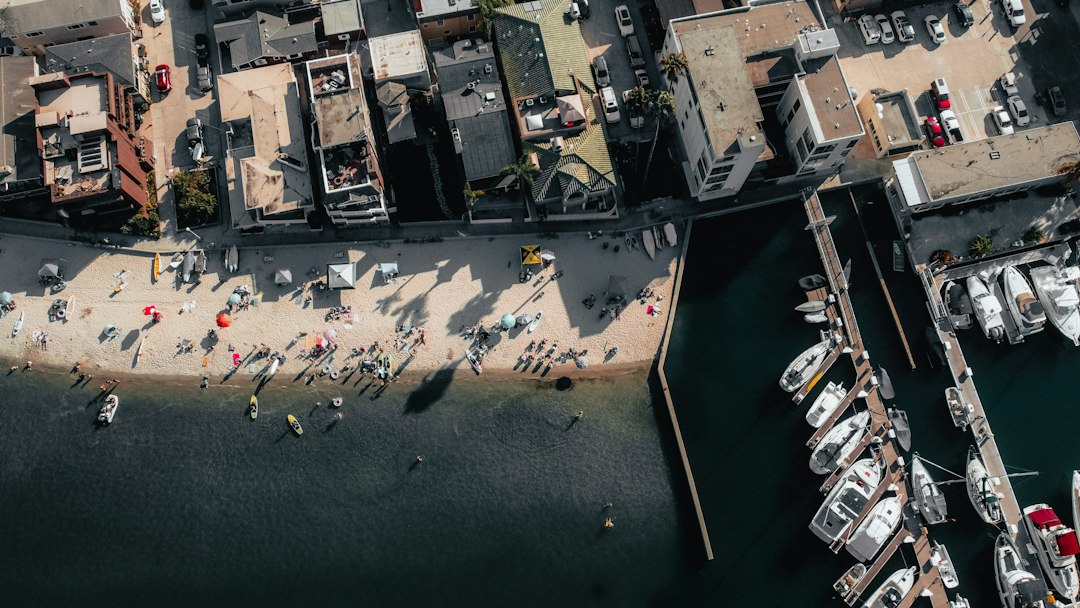
Long Beach stretches for about 7 kilometers along the western coast of the Bacuit Peninsula, just a few minutes by banca-banca — the traditional Philippine outrigger boats — from the center of El Nido. The beach gets its name from its length, which makes it the longest in the entire El Nido area. Behind it rise the limestone formations typical of Palawan: pinnacles of gray and green rock that reach heights of over 300 meters at some points, covered with tropical vegetation up to the top. These karsts, formed over millions of years, are visible from any point on the beach and constitute the most photographed natural backdrop of the archipelago.
The sand and the water: what to see upon arrival
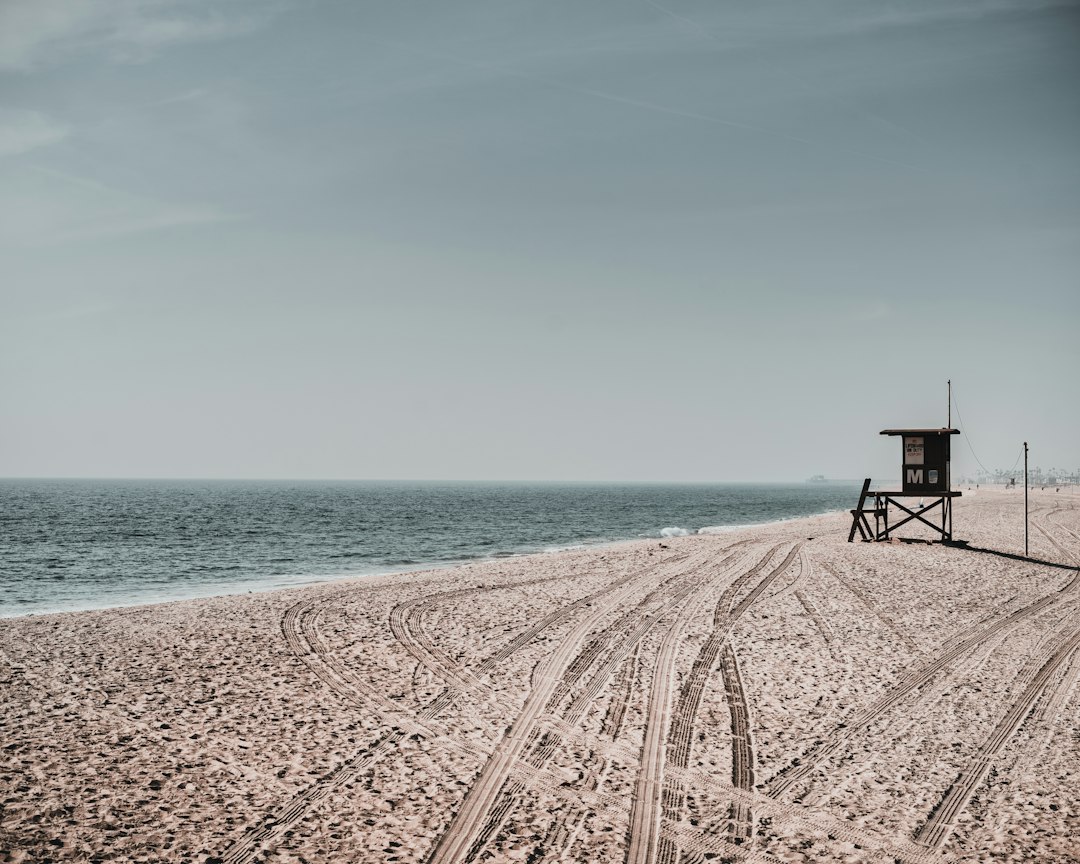
The sand of Long Beach is ivory white, fine but not as powdery as that of some beaches in the Maldives. It has a compact texture that makes it pleasant to walk on barefoot even during the hottest hours. Along the water's edge, the sand becomes slightly darker due to the coral fragments that naturally settle. This detail, which might seem like a flaw, is actually a positive sign: it indicates the presence of a live and active coral reef not far from the shore.
The water is shallow for the first 50-80 meters from the shore, with depths rarely exceeding one and a half meters, which makes Long Beach ideal for those who want to snorkel without being an experienced swimmer. The most interesting corals can be found towards the northern and southern ends of the beach, where the seabed becomes more irregular and hosts clownfish, parrotfish, and, with a bit of luck, green sea turtles that frequent the area.

The hidden lagoons and boat tours
Long Beach is also the starting point for the so-called Tour A, B, C, and D, the boat circuits organized by local agencies in El Nido that allow you to reach the hidden lagoons of the Bacuit archipelago. The Big Lagoon and the Small Lagoon of Miniloc Island are among the most visited destinations: access to the Small Lagoon is only possible by swimming through a passage in the limestone rock about two meters wide, an experience that is worth the price of the tour. The prices for these group tours typically range between 1,200 and 1,500 Philippine pesos per person, equivalent to about 20-25 euros, and include lunch on board and snorkeling equipment.
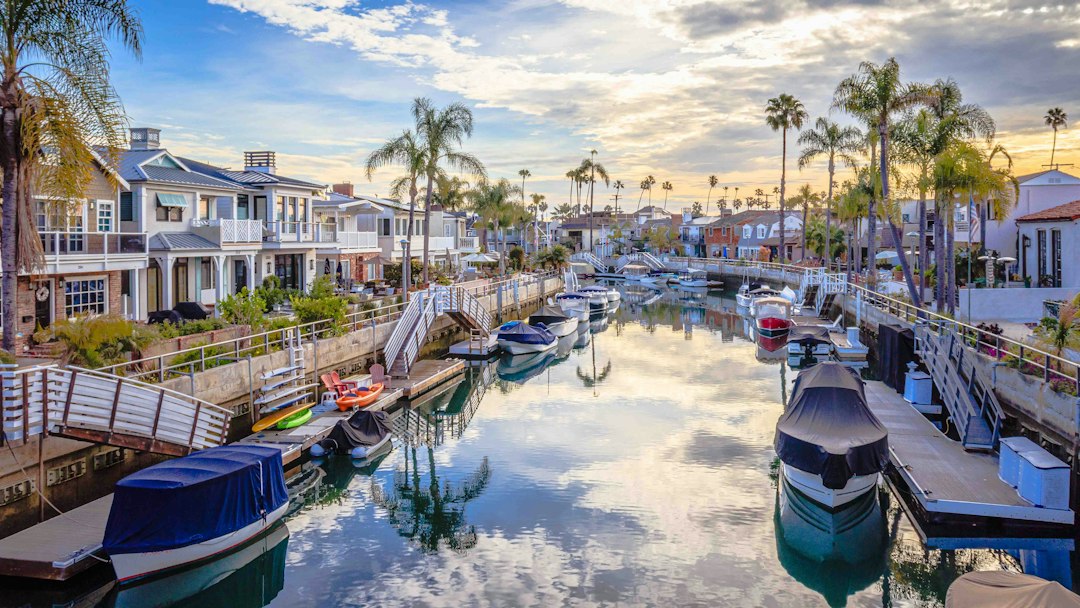
The boats generally depart from the main dock in El Nido at 9 in the morning and return in the late afternoon. It is important to book the day before, especially between December and March, which represents the dry season and the period of highest tourist influx. During these months, the lagoons can be crowded during the central hours of the day.
How to get there and when to go

El Nido can be reached by plane from Manila with direct flights operated by companies like AirSWIFT, with a duration of about one hour and fifteen minutes. Alternatively, you can arrive by van or bus from Puerto Princesa, the capital of Palawan, with a journey that takes about 5-6 hours by road. Once in El Nido, Long Beach can be reached by tuk-tuk or on foot from the town center in less than twenty minutes.
The best time to visit Long Beach is between November and April, when rainfall is rare and the sea is calm. From May to October, the monsoon season makes the sea rough and boat tours are often canceled. Those who want to avoid the crowd should prefer the months of November and early December, before the peak of the Christmas holidays, when El Nido fills up with European and Australian tourists.
Practical tips for the visit
Bringing sunscreen is mandatory, but it is essential to choose reef-safe products, free of oxybenzone and octinoxate, two chemical substances that harm corals. Many resorts and shops in El Nido sell creams compatible with the marine ecosystem, often at slightly higher prices than standard products. Some areas of El Nido have already introduced formal bans on traditional sunscreens, and inspections have become more frequent in recent years.
Finally, it is useful to know that Long Beach does not have a centralized service structure: restrooms and restaurants are located in the resorts that face directly onto the beach, distributed along its entire length. Bringing enough water is always a good idea, especially if you plan to walk along the entire stretch of the beach under the afternoon sun.