



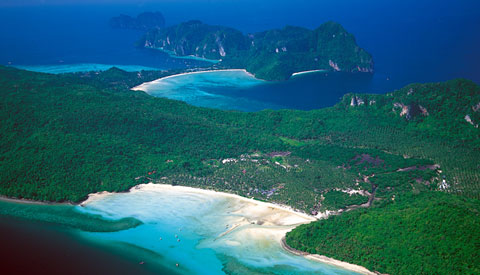
Nestled along the Andaman Sea, Long Beach in Ao Nang, Thailand, is a shimmering ribbon of sand that holds a tapestry of history and culture. Its allure is not just in its scenic beauty but in its rich past and vibrant traditions that continue to shape its identity.
The history of Long Beach is intertwined with the broader narrative of Krabi Province. This region has been inhabited since prehistoric times, with archaeological evidence suggesting human presence dating back thousands of years. Traders from the Malayan Peninsula and the Indian subcontinent frequented the area, leaving traces of their cultural and religious influences. Over time, Ao Nang transformed from a quiet fishing village to a bustling tourist destination, yet it has retained much of its traditional charm.
The art and architecture around Long Beach reflect a harmonious blend of traditional Thai styles and modern influences. While the beachfront is mostly lined with contemporary resorts, a short venture inland reveals structures adorned with intricate Buddhist carvings and serene temples like Wat Sai Thai, with its impressive reclining Buddha statue. The artistic significance of these sites offers a window into the region's spiritual life, where art serves as both decoration and devotion.
Cultural richness in Ao Nang is palpable during its vibrant festivals. The Songkran Festival, marking the Thai New Year in April, is a time of joyous water fights and religious ceremonies, while the Loy Krathong in November sees locals releasing beautifully decorated floats onto the water to pay respects to the water goddess. These festivals are not merely events; they are expressions of the community's soul and offer visitors a chance to partake in time-honored traditions.
Gastronomy in Ao Nang is a feast for the senses, with Long Beach offering a plethora of local flavors. Dishes like Tom Yum Goong, a spicy shrimp soup, and Pad Thai, a stir-fried noodle dish, are staples that reflect the balance of sweet, sour, salty, and spicy flavors typical of Thai cuisine. The nearby markets bustle with vendors selling som tam (papaya salad) and kanom krok (coconut rice pancakes), providing a delicious introduction to local street food culture.
Beyond the sun and sand, Long Beach harbors lesser-known curiosities that intrigue the curious traveler. Tucked away from the main tourist paths, visitors might stumble upon small, family-run batik workshops where traditional fabric dyeing techniques are preserved. Additionally, the area is known for its bioluminescent plankton, which illuminate the waters at night, offering a magical spectacle that few are aware of.
For those planning a visit, the best time to experience Long Beach is during the dry season, from November to April, when the weather is most agreeable. It's wise to pack light, breathable clothing and sunscreen, essential for enjoying the sun-drenched shores. Exploring the beach on foot or by rented kayak offers unique perspectives of the coastline, and for a truly immersive experience, engaging with local guides can reveal stories and sites often overlooked by the casual visitor.
In essence, Long Beach in Ao Nang is more than just a beautiful beach; it is a confluence of history, culture, and natural wonder. Each visit is an opportunity to delve deeper into its many layers, ensuring that every traveler leaves with a piece of its enduring spirit.
