
Nestled in the verdant mountains of Calabria, Longobucco is a hidden gem that enchants visitors with its rich history and vibrant culture. This quaint village, known for its stunning landscapes and artistic heritage, is also home to the Church of Santa Maria Maddalena, a baroque masterpiece that stands as a testament to the area’s storied past.
### History and Origins
The origins of Longobucco are steeped in ancient history, with its roots tracing back to the Greeks who settled in the region over two millennia ago. The village, whose name means "long valley," was first mentioned in historical texts in the 11th century. It flourished under the Normans and later the Aragonese, who fortified the area, recognizing its strategic importance.
Throughout the centuries, Longobucco has experienced its share of turmoil, including invasions and natural disasters. One of the most significant events was the devastating earthquake of 1783, which reshaped much of the region, yet the resilience of its residents ensured the village’s survival and revitalization. The Church of Santa Maria Maddalena, annexed to a convent, has been a central figure in the community, reflecting the spiritual and artistic values of its inhabitants.
### Art and Architecture
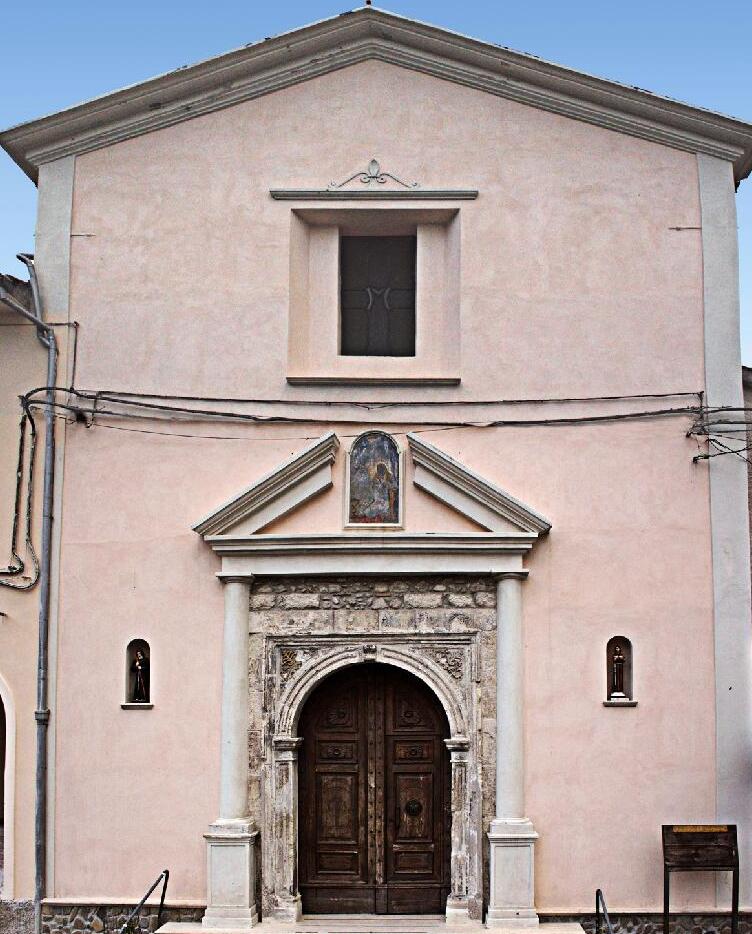
The Church of Santa Maria Maddalena is a prime example of baroque architecture, characterized by its elaborate design and ornate details. The striking portal, adorned with friezes believed to have Byzantine origins, is a feast for the eyes, welcoming visitors into its sacred space.
Once inside, the church opens up into two naves, enveloping worshippers in a serene atmosphere. The interior is graced with valuable frescoes that tell stories of faith and devotion, alongside significant artworks such as a remarkable 16th-century column. The craftsmanship extends to the pulpit and confessional, intricately inlaid with wood dating back to 1775.
One of the highlights is the wooden crucifix on the high altar, crafted in 1824 by Neapolitan artisans. Legend has it that upon its completion, the sculptors were so moved by its beauty that they heard the voice of Christ asking, "Where did you see me to make me so beautiful?" This captivating story adds a layer of mystique to the already impressive piece.
In the side chapels, visitors can admire a precious tabernacle made of inlaid wood and a unique asyline cross from the 15th century, painted with figures and drawings that echo the village's deep-rooted history.
### Local Culture and Traditions
Longobucco is not just a feast for the eyes, but also a hub of local customs and traditions. The village celebrates several festivals throughout the year, with the most notable being the Feast of Santa Maria Maddalena in July. This event draws locals and visitors alike, featuring processions, music, and traditional food that bring the community together in a vibrant display of faith and culture.
The locals are known for their hospitality, often inviting travelers to share in their customs. Calabrian dialect, a melodic variation of Italian, fills the streets as villagers gather to discuss daily life, local lore, and share stories of their ancestors.
### Gastronomy
No visit to Longobucco is complete without indulging in its unique gastronomy. The village is renowned for its 'nduja, a spicy, spreadable salami that embodies the bold flavors of Calabria. Pair it with local cheeses like caciocavallo for a true taste of the region.
Another must-try is the pasta alla Longobucchese, a traditional dish made with homemade pasta, fresh vegetables, and local meats, reflecting the agricultural bounty of the area. To wash it all down, sample a glass of Cirò wine, a robust red that has been produced in the region for centuries, enhancing the meal with its rich flavor profile.
### Lesser-known Curiosities
While many visitors flock to the main attractions, a few hidden gems remain under the radar. For instance, Longobucco is home to several ancient olive trees, some over a thousand years old, standing as silent witnesses to the village's history.
Additionally, the local craft of weaving still thrives here, with artisans creating intricate rugs and textiles that reflect traditional patterns. These handmade pieces are not only functional but also serve as beautiful reminders of the village's artistic heritage.
### Practical Visitor Information
The best time to visit Longobucco is during the spring and early autumn months when the weather is pleasantly mild, perfect for exploring the picturesque surroundings. Be sure to wear comfortable shoes, as the village's cobblestone streets can be steep and winding.
When planning your visit, take time to observe the intricate details of the Church of Santa Maria Maddalena and engage with locals to learn about their traditions and stories. Don't miss the opportunity to wander through the village, soaking in the breathtaking views of the surrounding mountains.
With its rich history, artistic treasures, and warm community spirit, Longobucco offers a unique glimpse into the heart of Calabria, inviting you to explore its many layers. For a personalized journey through this captivating village, consider using the Secret World app to craft your own tailored itinerary.
