



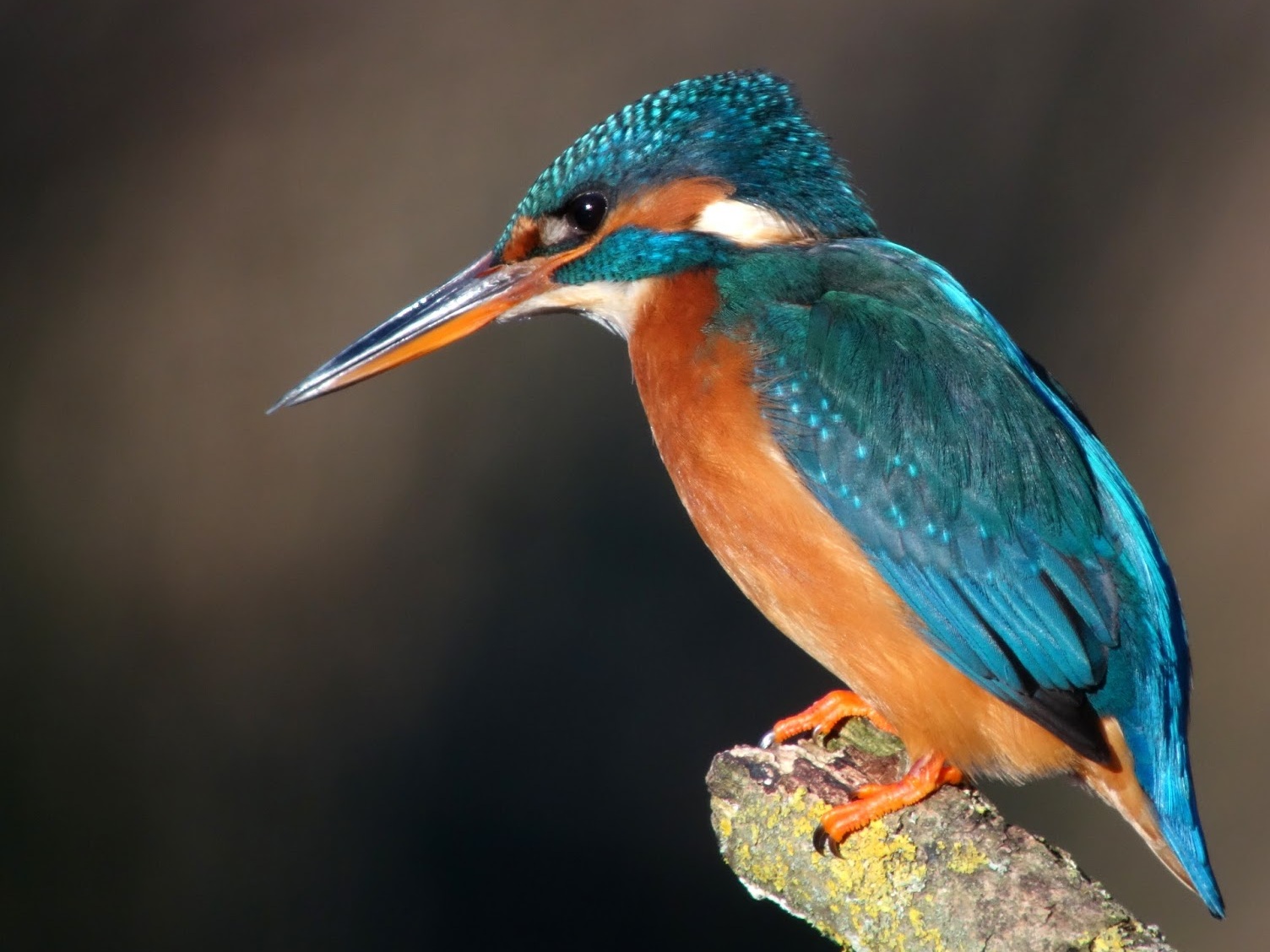
Nestled within the intricate waterways of the Sundarbans, the Lothian Island Bird Sanctuary is a sanctuary where nature and tranquility converge. With its lush mangroves, meandering rivers, and an astonishing array of avian species, it is a paradise for birdwatchers and nature enthusiasts alike. The sanctuary is home to several notable bird species, including the striking Black-Capped Kingfisher, elegant Curlew, majestic White-Bellied Sea-Eagle, and the charming Whimbrel.
### History and Origins
The Sundarbans, a UNESCO World Heritage Site, has a rich history steeped in the lore of ancient Bengal. The mangroves, which have been shaped by the Brahmaputra, Ganges, and Meghna river systems, have long been inhabited by indigenous communities who have coexisted with nature. The Lothian Island Bird Sanctuary, established in 1985, is one of three wildlife sanctuaries within this vast biosphere reserve. Its creation was pivotal in efforts to protect the diverse wildlife of the region from the threats of habitat destruction and poaching. The island, named after Captain W. Lothian, who was instrumental in surveying the area in the 19th century, has since become a critical haven for both migratory and resident birds.
### Art and Architecture
Although primarily a natural sanctuary, the Lothian Island Bird Sanctuary does not boast significant architectural landmarks in the traditional sense. However, the traditional Bengali huts scattered around the island reflect the local craftsmanship and cultural heritage of the region. Made of bamboo and mud, these structures blend seamlessly into the landscape, embodying the harmonious relationship between the inhabitants and their environment. The artistry of local artisans can also be appreciated in the intricate handwoven fishing nets and vibrant Bengali textiles that reflect the cultural tapestry of the Sundarbans.
### Local Culture and Traditions
The cultural fabric of Lothian Island is woven with the daily lives of its inhabitants, primarily Bengali fishermen and their families. Local customs are deeply rooted in the rhythms of nature, with festivals like Poush Mela and Nabanna celebrating the harvest season with music, dance, and communal feasting. The islanders practice a rich oral tradition, passing down stories of the Sundarbans and its mythical creatures, such as the legendary Bengal tiger and the Goddess Bonbibi, who is revered for protecting the forest and its denizens. These narratives encapsulate the local culture's reverence for nature, a theme that resonates throughout the sanctuary.
### Gastronomy
A visit to Lothian Island would be incomplete without indulging in the unique flavors of Bengali cuisine. The local diet is heavily influenced by the abundant resources of the river and mangroves. Freshwater fish, such as hilsa and pabda, are popular, often cooked in mustard oil with spices. The islanders also prepare chingri malai curry, a delectable shrimp dish cooked in coconut milk, offering a taste of the region’s coastal heritage. For those with a sweet tooth, mishti doi (sweetened yogurt) and rosogolla are must-try delicacies that provide a delightful end to any meal.
### Lesser-Known Curiosities
While many tourists flock to the more celebrated parts of the Sundarbans, Lothian Island holds its own secrets. A surprising fact is that it is a critical stopover for migratory birds traveling from as far as Siberia to their wintering grounds in Southeast Asia. The sanctuary’s unique ecosystem also plays host to rare flora, such as the Sundari tree (Heritiera fomes), which thrives in saline conditions, showcasing nature's resilience. Additionally, the island is often shrouded in mist during the early mornings, creating a hauntingly beautiful atmosphere that inspires photographers and poets.
### Practical Visitor Information
The best time to visit Lothian Island Bird Sanctuary is during the winter months, from November to February, when migratory birds are abundant. Visitors should prepare for a variety of weather conditions, as the region can be unpredictable. It is advisable to wear comfortable shoes, bring binoculars for birdwatching, and carry a camera to capture the stunning landscapes and wildlife.
Travelers can explore the sanctuary by boat, navigating the serene waters of the Saptamukhi River, where the soothing sounds of nature can be fully appreciated. Engaging with local guides can enrich the experience, as they provide insights into the intricate ecosystems and the cultural significance of the area.
In the heart of the Sundarbans, the Lothian Island Bird Sanctuary stands as a testament to nature's beauty and resilience, inviting exploration and reflection. To make the most of your journey, consider using the Secret World app to craft a personalized itinerary that will enhance your experience in this enchanting destination.
