

Nestled in the heart of Napa Valley, the Louis M. Martini Winery stands as a testament to the enduring legacy of winemaking excellence. Founded in 1933 by Italian immigrant Louis M. Martini, this winery emerged just as America was shaking off the shackles of Prohibition. Martini, whose passion for viticulture was nurtured in the sun-drenched vineyards of Genoa, Italy, did not simply establish a winery—he laid the cornerstone for Napa Valley's transformation into a world-renowned wine region. His innovative spirit and collaborative approach have left an indelible mark on the local wine industry, setting standards still revered today.
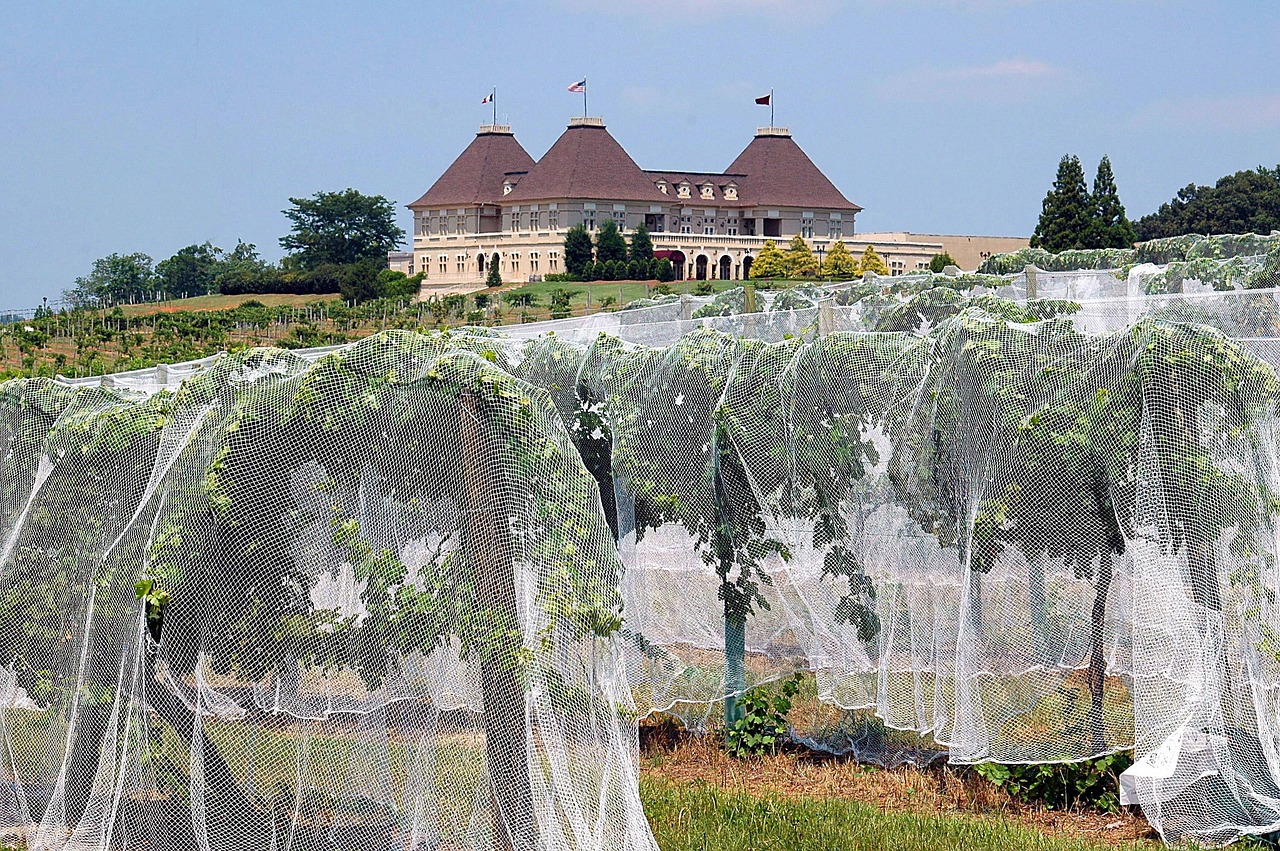
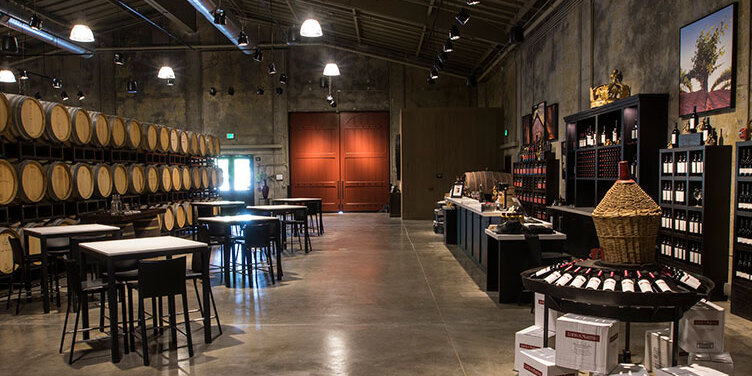
The architectural grandeur of the winery is as captivating as its history. The Louis M. Martini Winery showcases a harmonious blend of classic and modern design, reflecting its rich heritage while embracing contemporary elegance. The main building, with its robust stone façade, exudes a timeless charm, reminiscent of the grand wineries of Europe. Inside, the tasting room is a work of art, featuring a stunning barrel-vaulted ceiling and intricate woodwork that pays homage to the craft of winemaking. Visitors are often drawn to the impressive collection of art scattered throughout the property, including pieces by renowned artists that echo the winery's rich cultural tapestry.
Culturally, the winery is deeply intertwined with the traditions and heritage of Napa Valley. Wine, in this region, is more than a beverage; it is a cultural artifact that tells the story of the land and its people. Festivals such as the Napa Valley Wine Auction and the Harvest Stomp celebrate this heritage, offering a vibrant mix of local music, food, and, of course, wine. At these events, the spirit of Louis M. Martini's collaborative ethos lives on, as vintners and enthusiasts come together in appreciation of the valley's bounty.
When it comes to gastronomy, the winery does not disappoint. The wines of Louis M. Martini, particularly their acclaimed Cabernet Sauvignon, are a perfect pairing with the local cuisine. Napa Valley is renowned for its farm-to-table dining philosophy, where fresh, seasonal produce takes center stage. Visitors can savor dishes like roast lamb with rosemary, perfectly complemented by the bold flavors of a Louis M. Martini red. This seamless marriage of food and wine is a cornerstone of the region's culinary identity.
For those seeking the lesser-known aspects of the winery, the underground wine caves are a hidden gem. These labyrinthine tunnels not only provide the perfect environment for aging wine but also offer a glimpse into the winery's storied past. It's said that during tours, guides might recount tales of Louis M. Martini's early days, including his pioneering use of cold fermentation techniques that revolutionized wine production. Another intriguing tidbit is Martini's role in founding the Napa Valley Vintners, a pivotal organization that continues to shape the region's wine industry.
Practical visitor information is essential for making the most of a trip to this iconic winery. The best time to visit is during the fall, from September to November, when the vineyards are ablaze with autumn colors and the harvest season is in full swing. This is also when the winery is bustling with activity, offering visitors a chance to witness the winemaking process firsthand. When visiting, be sure to book a guided tour in advance to explore the wine caves and tasting rooms. Look out for the Monte Rosso Vineyard, a historic site known for producing some of the winery's most celebrated wines.
In conclusion, a visit to Louis M. Martini Winery is more than a journey through rows of grapevines; it's an exploration of a rich tapestry of history, art, and culture. Whether you're a wine connoisseur or a curious traveler, the winery offers a unique window into the heart and soul of Napa Valley. Here, among the rolling hills and sun-dappled vineyards, the legacy of Louis M. Martini continues to thrive, inviting you to experience the timeless allure of one of America's premier wine destinations.


