



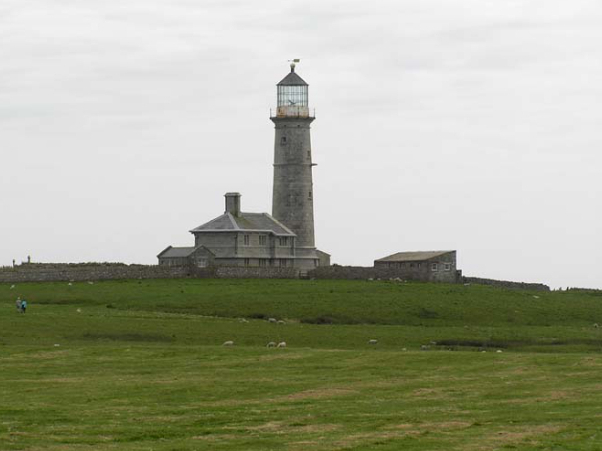
Perched majestically on the Bristol Channel, Lundy Island is a treasure trove of natural beauty and fascinating history. This rugged isle, measuring just three miles long, has been a beacon of maritime navigation since ancient times. The Old Light, completed in 1820 and designed by Daniel Asher Alexander, stands sentinel at the highest point of the island, a testament to its storied past. Built from Cyclopean blocks of granite, the lighthouse commands breathtaking views over the northern reaches of Lundy, offering a glimpse into the island's rich maritime heritage.

### History and Origins The story of Lundy Island is one steeped in ancient history. Evidence of human activity dates back to the Neolithic period, with remnants of burial mounds and stone structures dotting the landscape. The island's strategic location made it a significant outpost for various cultures throughout history, including the Romans and Vikings, who recognized its potential as a navigational landmark. In the 12th century, Lundy became an important site for Christian pilgrimage, and later, it was granted to the Bishop of Exeter.
Key historical events include the island's occupation during the English Civil War and its eventual purchase by the Heathcote family in the 19th century, which instigated the construction of the Old Light. This lighthouse was pivotal in reducing shipwrecks in the treacherous waters surrounding Lundy, a reminder of the island's maritime significance.

### Art and Architecture The Old Light is not just a functional lighthouse; it is a work of art in its own right. Its neoclassical design, characterized by its robust granite structure, speaks volumes about the architectural ambitions of the early 19th century. The lighthouse stands at 119 feet tall and is notable for its twin keepers' quarters, divided into the original flats known as Lower and Upper.
Inside, while much of the original fittings have been lost to time, the lighthouse's lantern remains an impressive feature. Visitors can also admire the craftsmanship in the nearby Lundy Church, which showcases local stonework and simple yet charming wooden interiors. The architectural significance of these structures provides insight into the island’s dedication to both functionality and aesthetic beauty.
### Local Culture and Traditions Lundy Island's culture is a blend of maritime traditions and isolated island life. One of the most cherished customs is the annual Lundy Island Festival, celebrating the island's rich biodiversity and the unique community that resides there. This event includes guided walks, wildlife spotting, and even art workshops inspired by the island’s breathtaking scenery.
Another tradition is the Lundy Day, a celebration of the island’s history, where locals and visitors come together to partake in storytelling, music, and traditional games. The island’s residents, often referred to as ‘Lundyites,’ have a strong sense of community, and their connection to the land and sea is palpable in every aspect of island life.
### Gastronomy While Lundy may be remote, its culinary offerings are rich and inviting. The island is known for its fresh seafood, particularly lobster and crab, which are often served in local eateries. The Lundy Island pub, the Marisco Tavern, offers a selection of dishes made from locally sourced ingredients, including hearty stews and fresh fish and chips.
There is also a burgeoning interest in foraging on the island, with visitors often encouraged to try their hand at gathering wild herbs and edible plants, enhancing their culinary experience while connecting with the land.
### Lesser-Known Curiosities Despite its small size, Lundy Island is filled with surprising gems that many tourists overlook. For instance, the island is home to a unique postbox that accepts letters and postcards sent through a local Lundy stamp. This practice adds a special touch to your correspondence, making it a memorable keepsake.
Furthermore, Lundy is often referred to as a **
